
Most parasite management conversations focus on puppies. The maternal transmission risks, the early deworming schedules, the vulnerability of young immune systems. What gets far less attention is the other end of the age spectrum, where a different set of factors makes consistent parasite control equally important for entirely different reasons.
Senior dogs face parasite-related health challenges that younger animals manage without much difficulty, and the consequences of untreated infections in older animals compound faster and more seriously than most owners anticipate.
How Aging Changes the Immune Response to Parasites
A healthy adult dog in its prime years maintains a degree of immune-mediated resistance to parasite infections. This does not prevent infection but it does limit how quickly parasite populations establish and how severely they affect the animal before treatment begins. The immune system recognizes the threat and mounts a response that slows the infection's progression.
This resistance declines with age. Senior dogs experience a gradual reduction in immune function that affects their ability to limit parasite activity in the gut. An infection that would produce mild intermittent symptoms in a four year old dog can progress significantly faster in a ten year old, reaching a point where it causes measurable health effects before the owner recognizes what is happening.
The practical implication is that the same exposure level that causes a manageable infection in a younger dog produces a more serious one in an older animal. Waiting for visible symptoms before treating is a riskier strategy in senior dogs than it is in animals with more robust immune reserves.
Existing Health Conditions Complicate the Picture
Most senior dogs carry at least one ongoing health condition managed with medication or dietary adjustment. Kidney disease, liver disease, heart conditions, and joint problems are all common in aging dogs and each one creates a different context that influences how a parasitic infection should be managed.
Kidney disease is particularly relevant because the kidneys play a role in processing medication and managing the physiological stress of a significant parasite die-off during treatment. A dog with compromised kidney function clearing a heavy worm burden rapidly may experience more significant effects from the die-off process than a healthy animal of the same age would.
This does not mean fenbendazole is inappropriate for senior dogs with health conditions. It means veterinary input is more important in these cases than in straightforward treatment scenarios involving otherwise healthy animals. The treatment decision benefits from being made with the full health picture in view rather than as a standalone parasite management choice.
Nutritional Vulnerability in Older Animals
Senior dogs are already managing reduced digestive efficiency compared to younger animals. Nutrient absorption declines with age as intestinal function changes, which means older dogs often need higher quality nutrition to maintain the same body condition that a younger dog achieves on a standard diet.
Adding a parasite burden to this already reduced absorption capacity compounds the nutritional deficit significantly. A senior dog losing nutrients to roundworm competition or blood to hookworm feeding has less physiological reserve to absorb the impact than a younger animal. Weight loss that would take months to become noticeable in a prime-age dog can appear within weeks in a senior carrying the same infection.
This is one of the clearest arguments for more frequent deworming in older dogs rather than less. The conventional twice yearly schedule adequate for a healthy adult may be insufficient for a senior dog whose immune resistance is declining and whose nutritional margins are already tighter.
Choosing the Right Treatment Approach for Older Animals
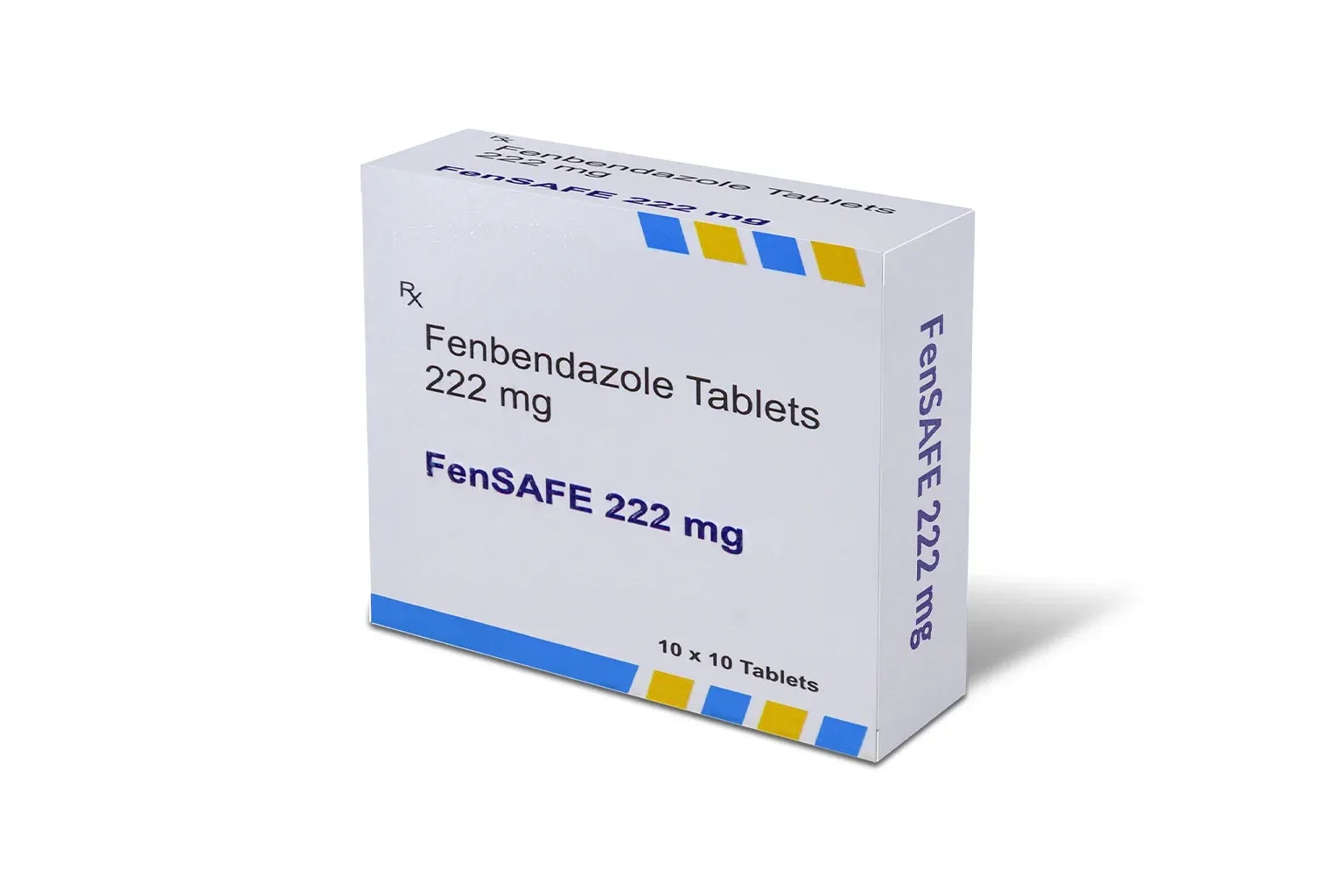
Fenbendazole suits senior dog treatment well for several practical reasons beyond its broad parasite coverage. Its wide safety margin reduces the risk of adverse effects in animals whose organ function may be less robust than in younger dogs. Its gradual mechanism of action, clearing parasites over several days rather than rapidly, produces a more manageable die-off process that older animals tolerate more comfortably than formulations designed for faster action.
Those reviewing the range of conditions addressed within the fenbendazole treatment category will find the broad spectrum coverage relevant across all age groups, with the tolerability profile being particularly relevant for older animals where the safety margin of any medication carries additional weight.
Accurate dosing remains equally important in senior dogs as in any other age group. Body weight in older animals can fluctuate more than in prime-age dogs as muscle condition and appetite change over time. Weighing before each treatment course rather than relying on a previous measurement ensures the dose calculation reflects the animal's current weight accurately.
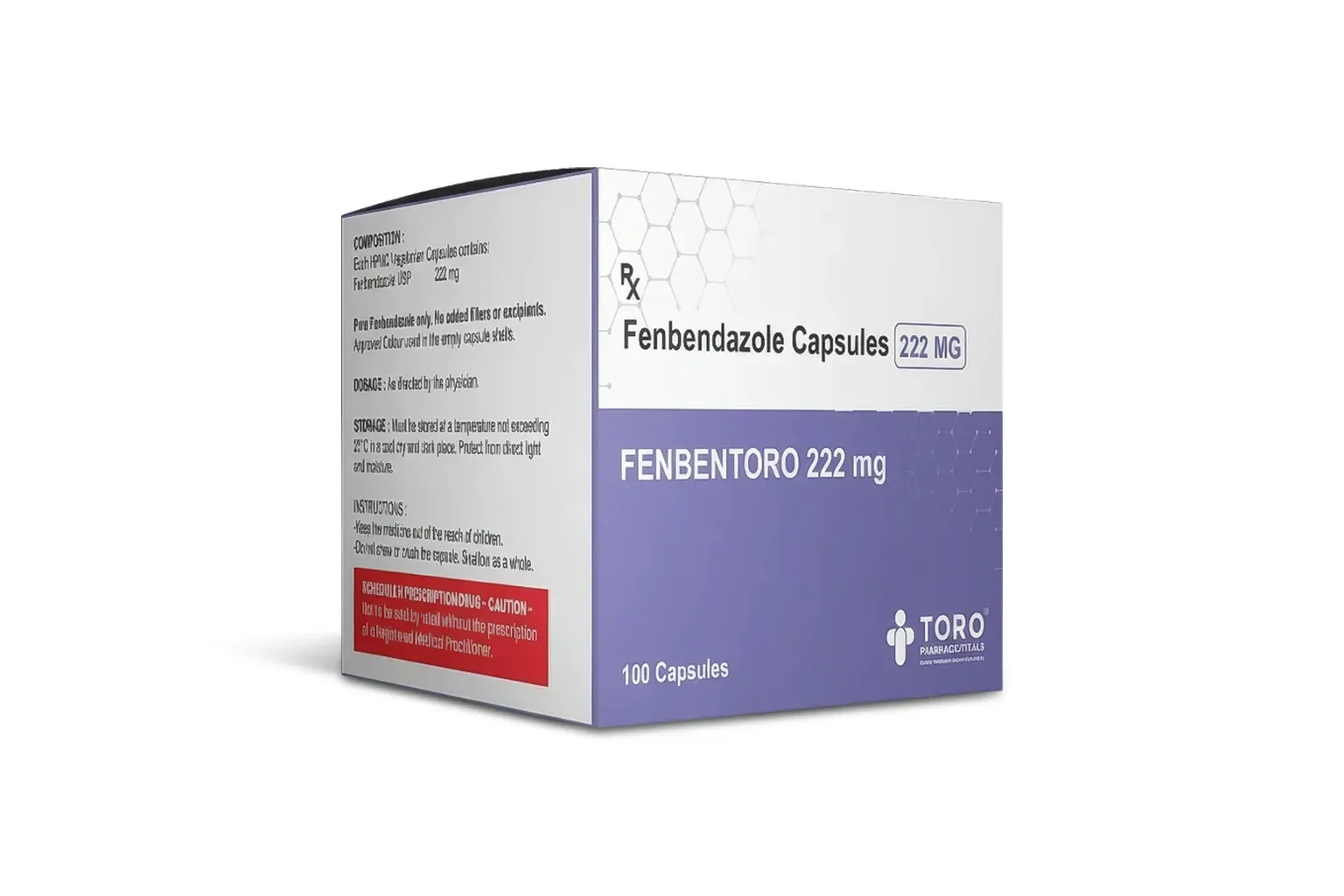
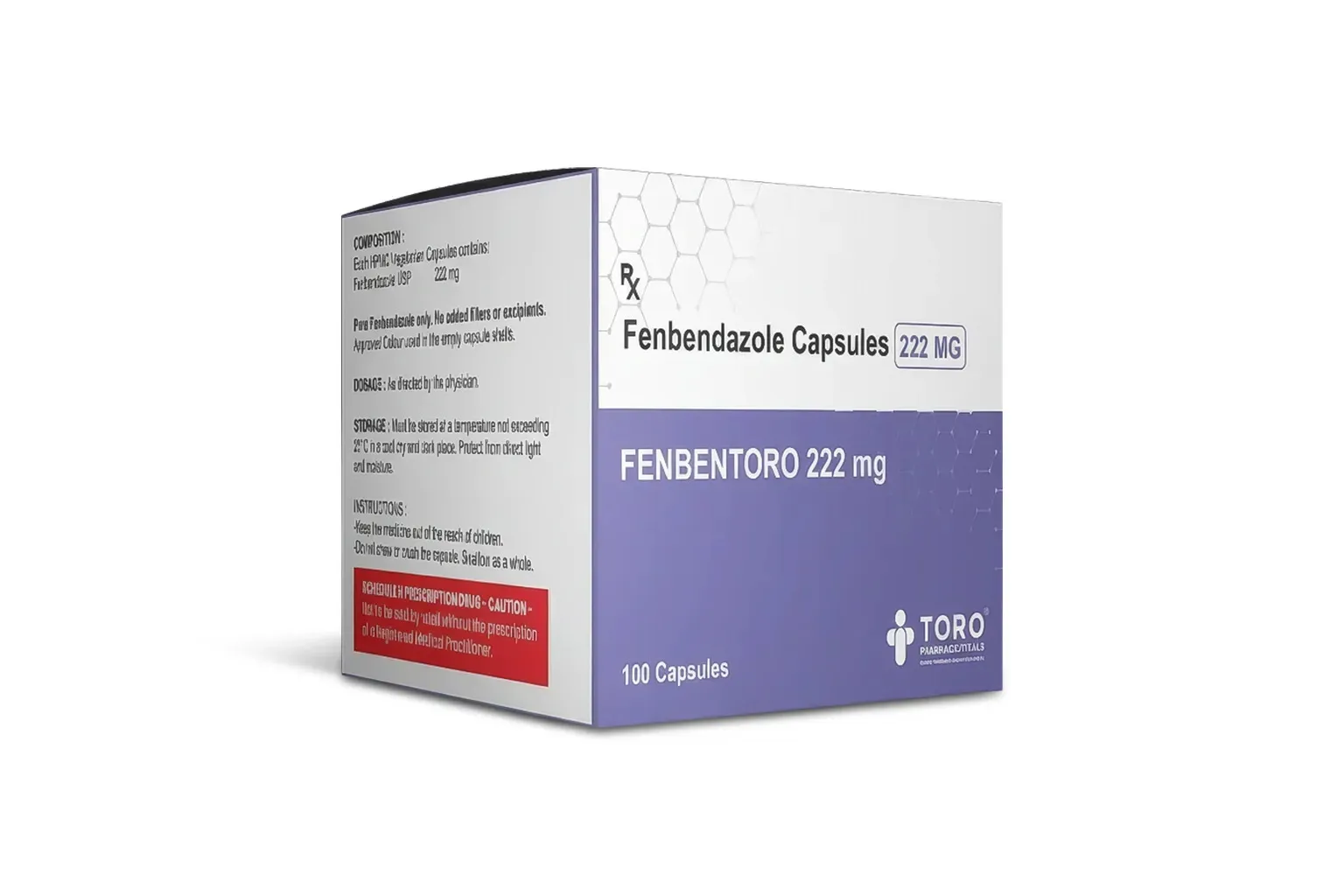
Pure Fenbentoro 222 mg capsules delivering a precisely fixed dose per unit suit senior dog treatment particularly well because the capsules can be opened and mixed into softer food portions that older dogs with dental issues or reduced appetite find easier to consume. Maintaining full dose delivery in animals that may eat more slowly or selectively than younger dogs is easier with a formulation that mixes invisibly into food than with one requiring complete consumption of a measured liquid portion.
Monitoring During and After Treatment
Senior dogs warrant closer observation during a deworming course than younger healthy animals. The mild digestive effects that resolve quickly in prime-age dogs may persist slightly longer in older animals with reduced digestive resilience. Energy levels may dip more noticeably during the die-off phase and take longer to return to baseline afterward.
None of these observations should discourage treatment. They simply point toward monitoring more attentively and being prepared to contact a vet if effects seem more significant than expected rather than assuming everything within the normal range will apply equally to an older animal as to a younger one.
Post-treatment nutritional support, maintaining food quality and consistency in the weeks following a deworming course, gives the older animal the resources to complete the recovery that successful treatment makes possible rather than stalling due to a return to inadequate nutrition immediately after the last dose.





























Sign in to leave a comment.