
Picking up a deworming product at a farm supply store feels straightforward until you start reading the label and realise there are more variables involved than you initially expected. Which species is it approved for? What parasites does it actually cover? How do you calculate the right dose for a specific body weight? Is one tablet strength better than another for your situation? These are not complicated questions once you understand the fundamentals, but they matter more than most new animal owners appreciate. Getting the basics right from the start saves a lot of wasted product, unnecessary retreatment, and in some cases genuine harm to the animals you are trying to help.
Why Fenbendazole Has Outlasted Many Newer Alternatives
Veterinary pharmacology has introduced a steady stream of new antiparasitic compounds over the decades, yet fenbendazole continues to hold its ground in clinical practice. Part of this comes down to its mechanism. By targeting beta tubulin, a structural protein unique to parasites in the way fenbendazole binds to it, the drug disrupts cell architecture, nutrient absorption, and reproduction simultaneously. This triple effect on parasite biology makes it harder for worms to simply compensate or survive partial exposure. Its safety margin across host species is also notably wide, which means it can be used in dogs, cats, cattle, horses, sheep, goats, and pigs without the species specific restrictions that limit some alternatives. That kind of versatility has genuine practical value in mixed animal settings.
Understanding What Each Parasite Does to the Host
Treating worms more effectively starts with understanding why they cause the problems they do. Roundworms are prolific reproducers that compete with the host for nutrients in the small intestine, causing poor growth rates and dull coat condition particularly in young animals. Hookworms latch onto the intestinal wall and feed on blood, leading to anaemia that can become life threatening in heavy infestations among puppies and lambs. Whipworms burrow into the lining of the large intestine and cause chronic inflammation, loose stools, and gradual weight loss that is easily mistaken for dietary issues. Tapeworms shed egg filled segments through the gut continuously, causing intermittent discomfort and occasionally visible segments around the anal area. Fenbendazole addresses all of these through a single treatment course.
The Right Tablet for Smaller Animals
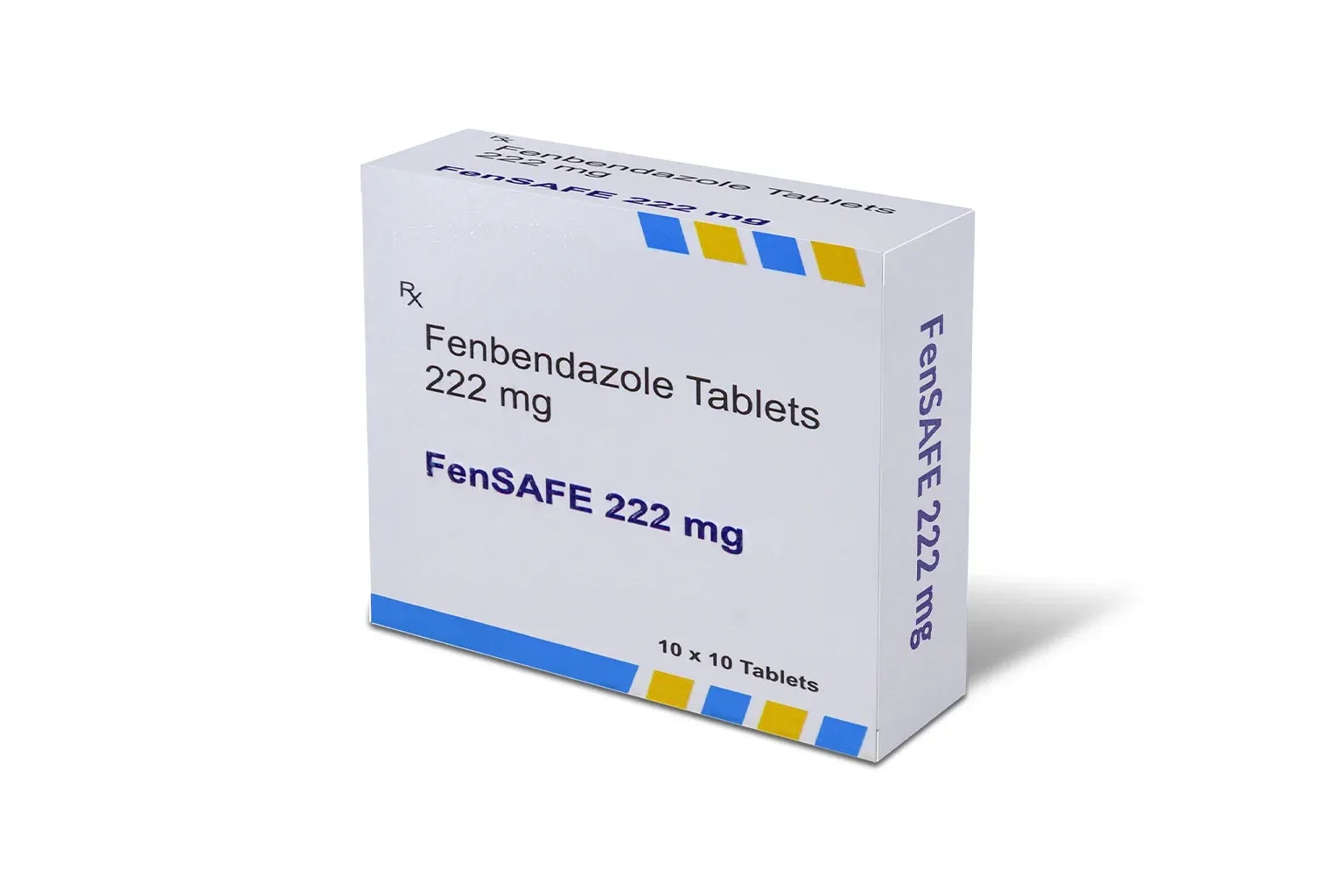
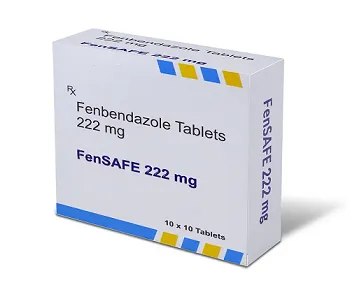
Dosing accuracy is the variable that determines whether a treatment works or falls short, and for smaller animals that accuracy depends heavily on using a tablet concentration designed for their weight range. Splitting higher strength tablets introduces measurement error that compounds with each dose. For cats, small and medium dogs, lambs, kids, and young pigs, a purpose built lower concentration product removes that uncertainty entirely. The Fensafe 222 mg tablet for worm treatment is formulated for exactly this category of animal, providing a clean and consistent dose in individually wrapped strip packaging that protects each tablet until it is needed. The coverage includes roundworms, hookworms, whipworms, and tapeworms at a concentration suited to lighter body weights.
Meeting the Dosing Demands of Large Animals
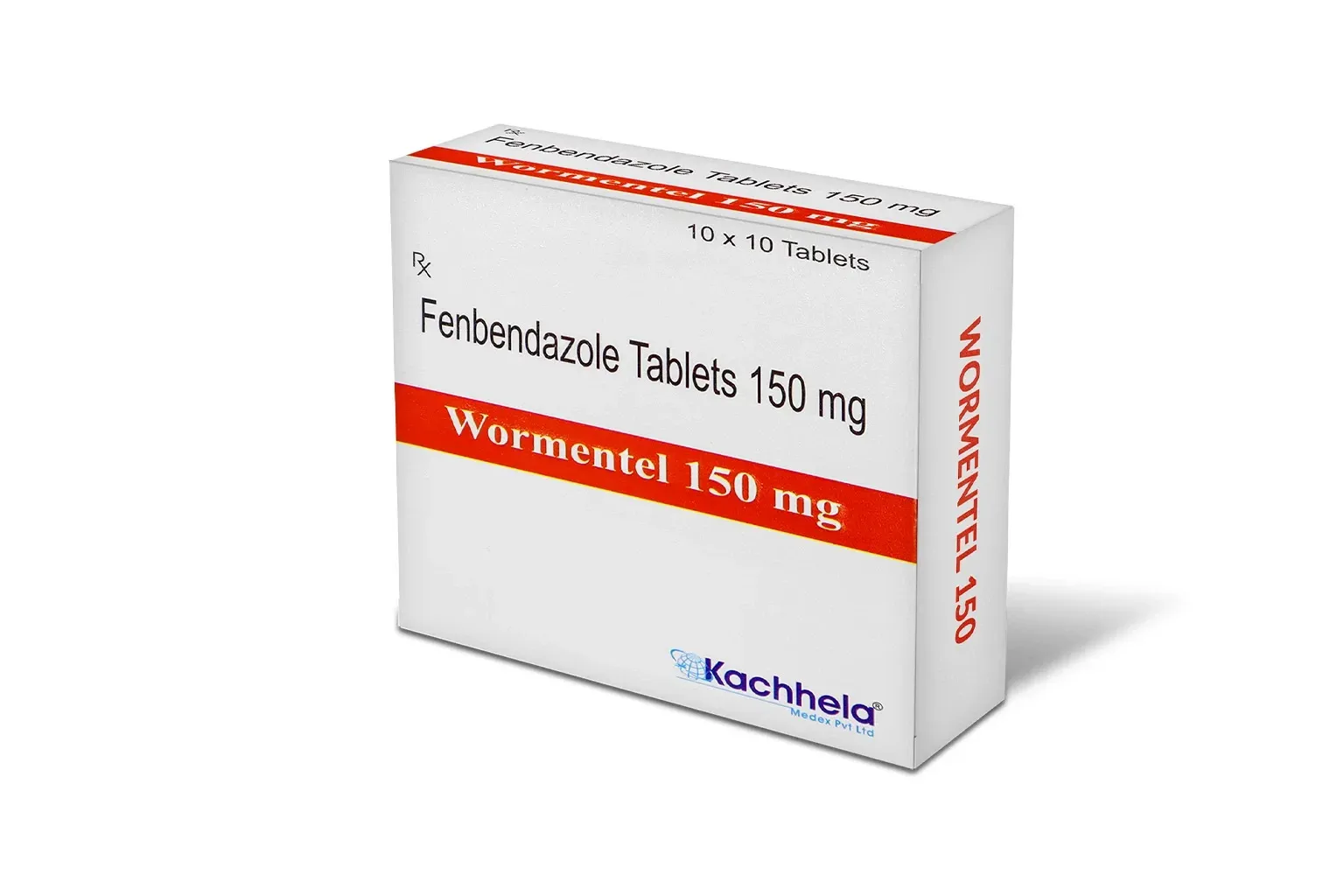
The numbers involved in treating large animals shift the conversation entirely. Fenbendazole dosing for cattle typically sits at 7.5 mg per kilogram of body weight for most conditions, rising to 10 mg per kilogram when treating lungworm. For a 550 kg dairy cow, that means anywhere between 4,125 mg and 5,500 mg per treatment session. Attempting to reach those figures with a lower strength tablet is neither practical nor reliable. The Wormentel 444 mg tablet for cattle and horses is designed to handle these requirements, delivering a high concentration dose in blister packaging that maintains product quality through storage. It covers the full range of susceptible parasites and reduces the per session tablet count to something that can be administered accurately and efficiently even in a busy farm setting.
What to Do When Treatment Does Not Seem to Work
Retreatment is sometimes necessary but jumping straight back to the same product without investigating why the first course fell short is rarely the right move. The most common reasons for apparent treatment failure are underdosing due to inaccurate weight estimation, reinfection from a heavily contaminated environment shortly after treatment, or the presence of a resistant worm population that has reduced sensitivity to the drug class used. Fecal egg count reduction testing, carried out two to three weeks after treatment, is the clearest way to distinguish between these possibilities. If counts have dropped by 95 percent or more, the treatment worked and reinfection is the likely explanation. If the reduction is significantly lower, resistance or dosing issues need to be investigated before retreating with the same compound.
Choosing Products That Match Your Actual Setup
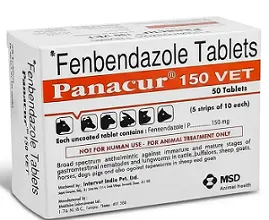
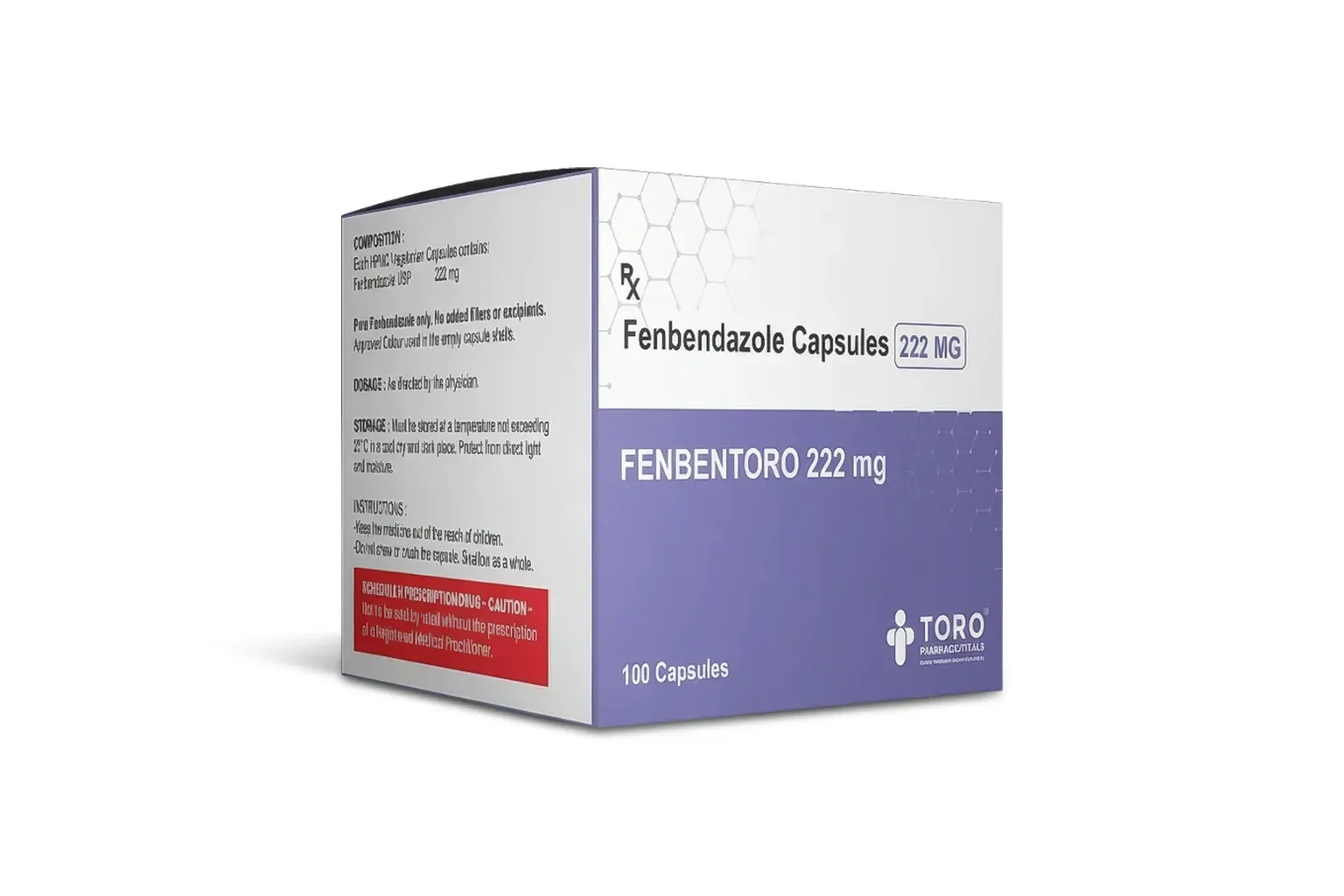
A useful deworming program is one that fits the reality of your animals and your management style, not an idealised protocol designed for a different context. The products you keep on hand, the dosing intervals you can realistically maintain, and the monitoring you are able to carry out will all vary depending on whether you manage a single pet, a small mixed holding, or a commercial livestock operation. Before settling into a routine, it is worth spending time with the full range of available fenbendazole products to understand which concentrations, pack sizes, and formats best suit the animals you are responsible for. That informed starting point, combined with accurate weight records, structured scheduling, and periodic fecal monitoring, gives you the foundation for a parasite control program that actually delivers consistent results rather than just the appearance of one.





























Sign in to leave a comment.