
If you have treated a worm infection, felt it resolve, and then watched the same symptoms return within weeks, you are not dealing with a medication failure. You are dealing with a process failure. The distinction matters because switching products in response to a process failure produces the same outcome with a different label on the box.
Fenbendazole and albendazole are both genuinely effective medications. Neither one fails when used correctly. Understanding what correctly actually means in practice, beyond the surface-level instructions on the packaging, is what separates people who resolve these infections permanently from people who manage them repeatedly without lasting results.
How Parasites Stay One Step Ahead of Casual Treatment
Internal parasites have been coevolving with mammalian hosts for millions of years. The ones that survived that evolutionary process are extraordinarily good at two things. Establishing without triggering a strong enough immune response to prompt rapid treatment. And rebuilding populations from small surviving numbers after partial treatment reduces but does not eliminate the infection.
Both of those capabilities work directly against the casual treatment approach most people apply. The gradual establishment means the infection is well entrenched before it becomes obvious. The population rebuilding capability means partial treatment produces temporary relief rather than resolution. Neither outcome is a coincidence. Both are the predictable result of biology that evolved specifically to produce them.
A dog that loses condition slowly over several months before anyone investigates. A child whose energy and appetite have been slightly off for a school term without obvious cause. An adult with recurring digestive discomfort that comes and goes without pattern. All of these presentations reflect the establishment phase of a parasitic infection that has been running quietly while getting attributed to everything except its actual cause.
Treating these infections successfully requires matching the approach to the biology rather than applying the casual version of treatment and expecting it to overcome an adversary that evolved specifically to survive casual treatment.
What Fenbendazole Covers and Why That Particular Breadth Matters
Fenbendazole covers roundworms, hookworms, whipworms, lungworms, certain tapeworm species, and Giardia within a single three-day course. The worm species list is useful in itself. The Giardia coverage is what makes the difference in the situations where everything else has been tried without lasting resolution.
Giardia is not a worm. It is a single-celled protozoan that colonizes the small intestine and produces chronic digestive disruption that presents identically to conventional worm infection without laboratory testing. Standard dewormers that address nematodes and cestodes have no mechanism for addressing protozoa. A pet or person carrying Giardia alongside conventional worms will clear the worm component through standard deworming and continue showing identical symptoms from the Giardia component that was never touched.
The diagnostic challenge compounds the problem. Standard fecal testing misses Giardia regularly because cysts shed intermittently. Negative test results in animals with persistent digestive symptoms do not reliably rule it out. Animals cycling through repeated conventional deworming rounds without lasting resolution are carrying Giardia as the missed diagnosis far more frequently than treatment histories reflect.
Fenbendazole addresses both simultaneously. No separate testing protocol required. No additional medication course. Three days with food handles the full spectrum within its range.
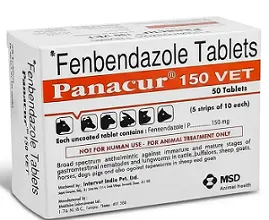
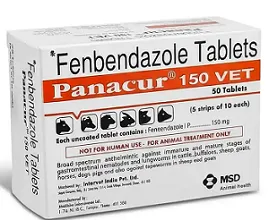
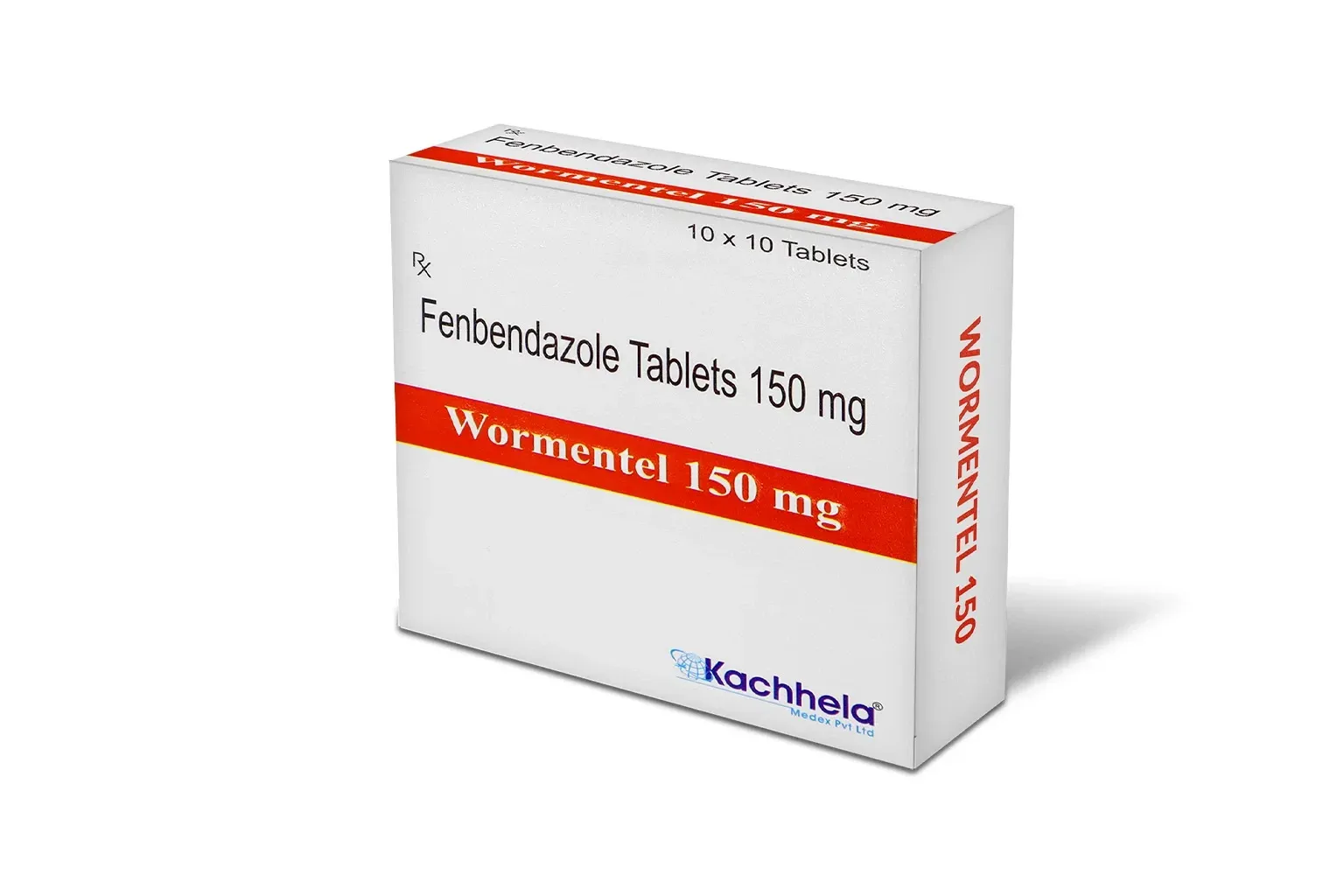
Owners working from a confirmed vet prescription for a medium-sized animal who want a tablet matched to that weight without adjustment consistently find that Fenbendazole 150 mg provides that fit across all three treatment days without the measurement complications of adjusting larger formulations.
Albendazole: The Single Dose That Changes How Compliance Actually Works
Treatment compliance is the most consistently underestimated factor in antiparasitic outcomes. It receives one line on the packaging and almost no explanation of why it matters mechanically. That gap between instruction and understanding is where most multi-day treatment courses fall apart.
The pattern is predictable. Day one of a multi-day course happens under full motivation because the symptoms are fresh and the urgency is high. Day two happens with reduced urgency because some improvement is already visible. Day three frequently does not happen because the person feels well enough to consider the infection handled. The surviving parasite population from that incomplete course rebuilds over the following weeks and the cycle begins again.
Albendazole eliminates that structural failure point for most routine intestinal infections by completing the treatment in a single dose. The compliance question becomes binary rather than cumulative. Either the one tablet gets taken correctly or it does not. There is no day two judgment call about whether to continue when symptoms have eased because the course is complete after day one.
Beyond the compliance advantage albendazole converts to an active systemic metabolite after absorption, giving it reach into tissues and organs for cases where parasites have migrated beyond the gastrointestinal tract. Fenbendazole stays concentrated in the gut and cannot reach parasites that have established themselves in tissues regardless of dose.
People managing persistent household infections or travel-related digestive complaints through multiple rounds of partial treatment who have finally used Aldol 400 mg as a properly executed single dose treatment consistently describe a completeness of recovery that extended partial courses of narrower alternatives never delivered.
The Resistance Mechanism That Partial Treatment Activates
This is the part of antiparasitic treatment that most people never hear about until the problem it creates becomes impossible to ignore.
Antiparasitic medications do not kill all parasites in an infection with equal efficiency. There is natural variation in susceptibility within any parasite population. Some individuals die quickly under medication exposure. Some tolerate it better and die more slowly. Some survive an incomplete course entirely.
An incomplete treatment course selects for the tolerant survivors by eliminating the susceptible majority and leaving the tolerant minority alive to reproduce. The next generation of parasites in that host is drawn disproportionately from those tolerant survivors. Each subsequent incomplete treatment cycle reinforces that selection, progressively shifting the parasite population toward greater tolerance of the medication being used.
Over multiple cycles this produces a measurably more resistant parasite population in that individual host. The medication has not changed. The parasite population has been shaped by repeated incomplete treatment into something that responds less reliably to the same dose that once worked straightforwardly.
This mechanism is extensively documented in livestock deworming programs where it created significant management challenges over decades of inconsistent treatment practices. It operates identically at the individual level in companion animal and personal health treatment and receives a fraction of the attention it deserves given how directly it affects treatment outcomes.
The Environmental Piece That Consistently Gets Skipped
Medication clears the current burden inside the body. Nothing about any oral medication affects the eggs that were deposited in the surrounding environment before and during the infection.
Those eggs remain viable in outdoor soil for months. They transfer indoors continuously on shoes, clothing, and pet paws. A household pet that goes outdoors regularly in an area with established egg deposits reintroduces contamination on a near-daily basis. A child who plays in contaminated areas brings fresh exposure indoors on hands and clothing without any awareness of it.
A household where one member gets treated while others remain infected or where the outdoor environment continues as an active contamination source will experience reinfection within weeks. Not as a possibility but as a predictable biological outcome given the conditions.
Treating all at-risk household members and pets simultaneously removes the active reservoir that sustains transmission. High-temperature washing of fabric items eliminates surface contamination that transfers eggs to hands. Managing outdoor areas where pets spend time reduces ongoing deposition. Consistent handwashing before meals and after animal contact interrupts the primary routes through which environmental contamination reaches new hosts.
The medication and the environmental management together address the complete problem. Either one without the other addresses part of it temporarily.
Diagnosis Makes Every Subsequent Decision More Accurate
A stool examination before selecting treatment turns every decision that follows from an educated approximation into an accurate one. It identifies the specific parasite present, reveals coinfection with multiple species that would require different coverage, and removes the guesswork that causes treatment to address part of the infection while leaving the rest unaffected.
The cost of a stool examination is almost always less than the accumulated cost of multiple partial treatment rounds that an undiagnosed missed species eventually requires. The information it provides changes the medication decision, the dosage calculation, and the expectations around recovery in ways that make first-attempt success considerably more likely.
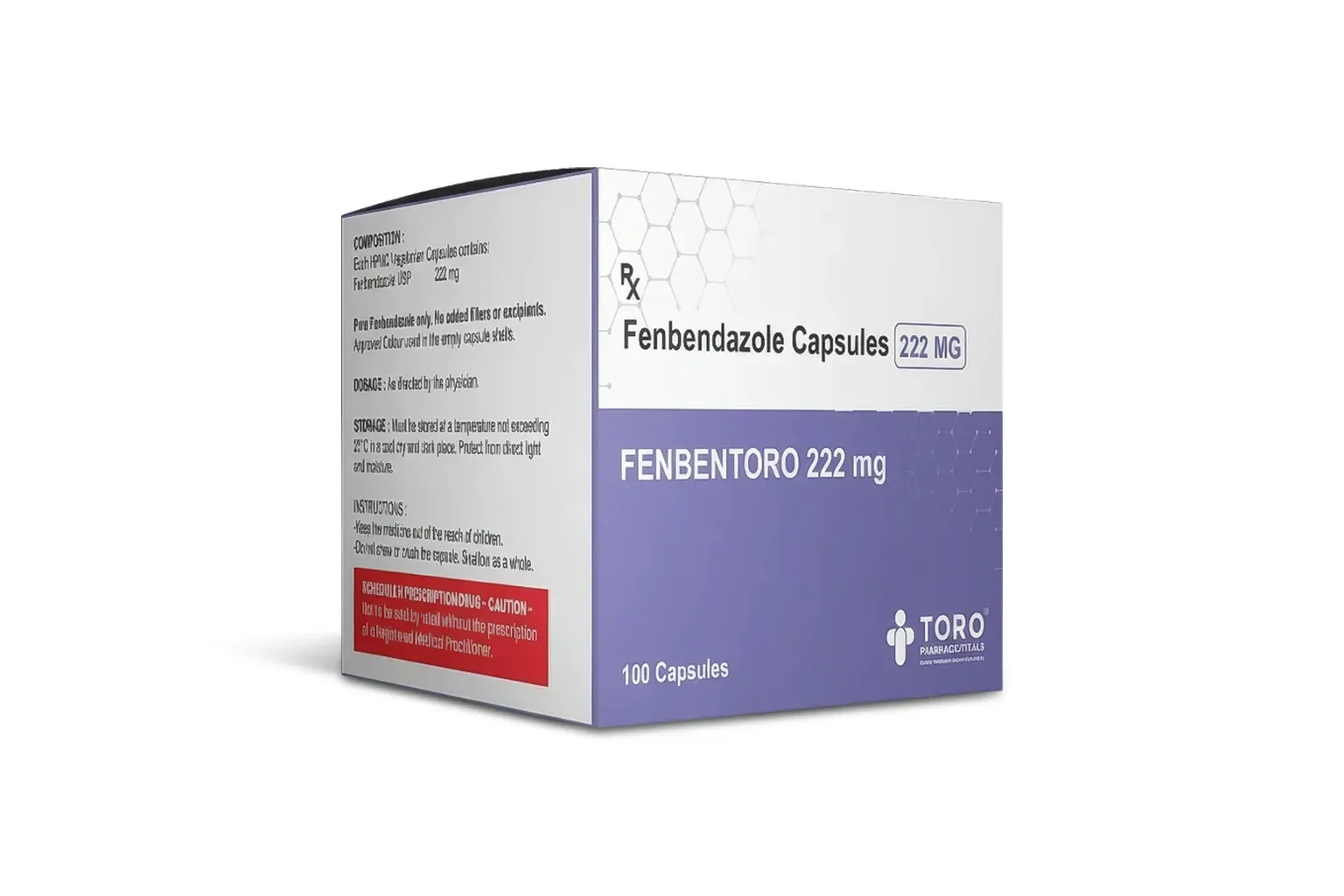
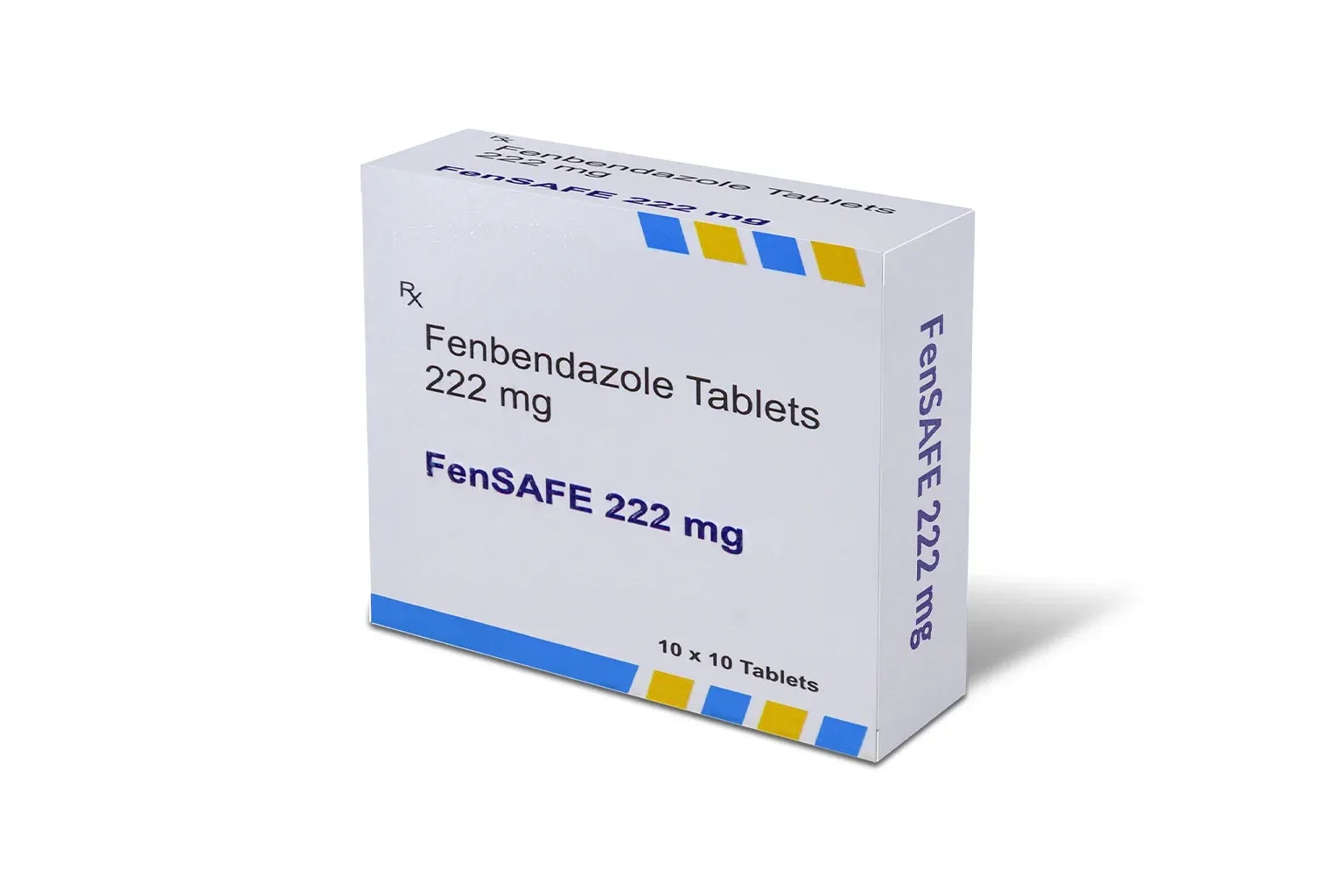
For anyone comparing fenbendazole formulations and applications before making a specific product decision, the complete fenbendazole range organized by strength and intended use provides a reference that makes meaningful comparison possible without assembling information from unrelated sources.
Diagnosis first. Correct medication second. Full course without exception. Environmental management throughout. That process works. Every shortcut within it is precisely where the recurring infection cycle finds its foothold.





























Sign in to leave a comment.