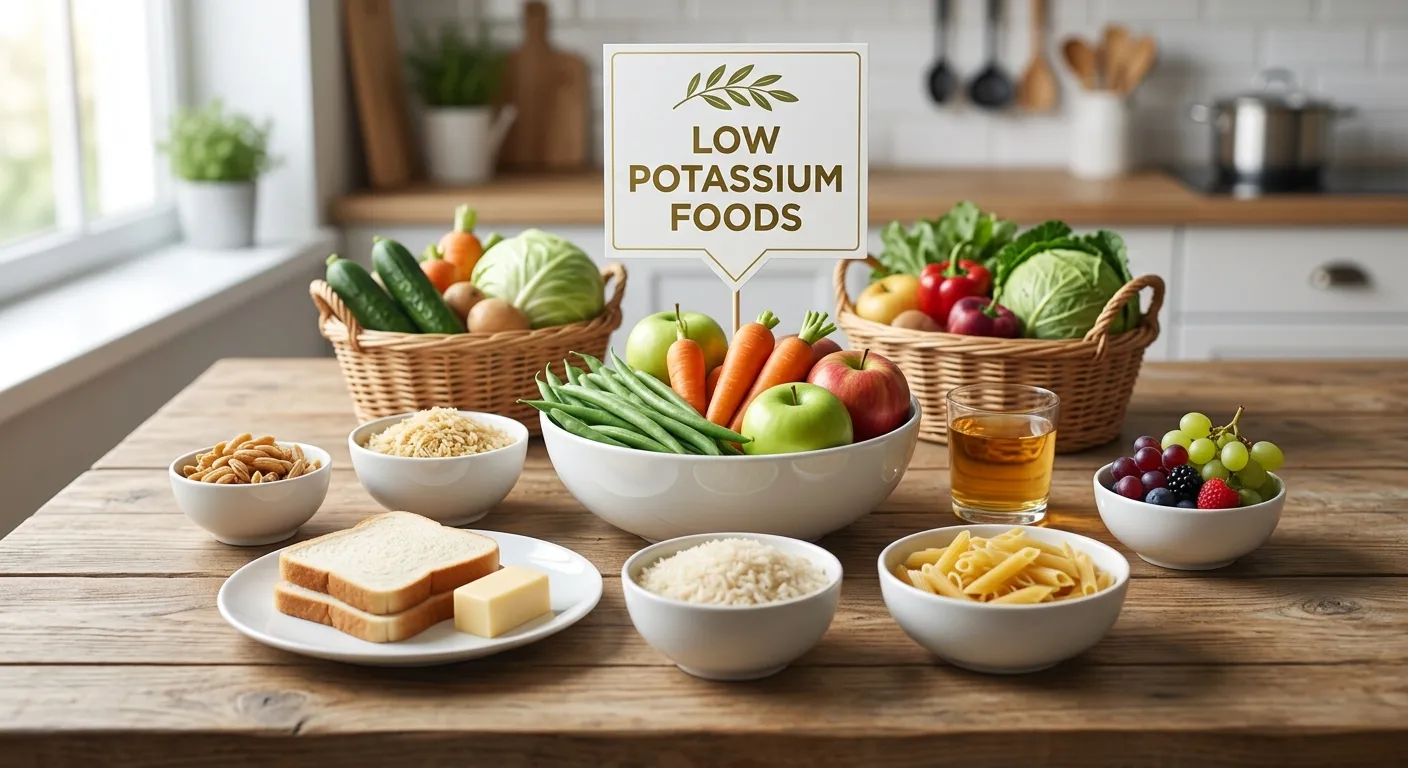

When you are living with chronic kidney disease (CKD), managing your diet becomes a central pillar of your medical care. One of the most critical elements to track on a renal diet is potassium. While this mineral is essential for nerve and muscle function in healthy individuals, compromised kidneys lose their ability to filter excess potassium from the bloodstream.
A buildup of potassium in the blood, a medical condition known as hyperkalemia can cause severe heart palpitations, muscle weakness, and in dangerous scenarios, cardiac arrest. Adopting a kidney-friendly diet centered around low potassium foods is a powerful way to mitigate these risks and support overall longevity.
This comprehensive, evidence-based guide outlines 10 excellent low-potassium options, explains the science behind a renal diet, and provides actionable tips to keep your kidneys working safely in 2026.
What are Low Potassium Foods?
In the context of renal nutrition, low potassium foods are defined as any food items that contain less than 200 milligrams (mg) of potassium per standard serving.
For individuals managing advanced stages of kidney disease, standard medical guidelines generally recommend limiting total daily potassium intake to 2,000 to 2,500 mg. However, strict portion control is essential. Even a low-potassium ingredient can quickly cross into the high-potassium category if consumed in large quantities, because nutrient accumulation relies heavily on total volume.
10 Exceptional Low Potassium Foods for Your Renal Diet
To protect your cardiovascular and renal systems, try incorporating these ten nutrient-dense, low-potassium foods into your weekly meal planning. Unless otherwise specified, a standard portion size represents a half-cup serving.
1. Apples (and Applesauce)
Apples are a staple for anyone following a renal meal plan. A medium-sized apple provides essential dietary fiber and vitamin C while contributing only about 160 mg of potassium. They make a perfect portable snack, and plain applesauce offers a kidney-safe alternative for baking.
2. Blueberries
Berries are packed with powerful antioxidants known as anthocyanins, which reduce system-wide inflammation. Blueberries are particularly well-suited for kidney disease, delivering a mere 60 mg of potassium per half-cup serving. They can be safely added to morning oatmeal or eaten fresh.
3. Cabbage (Green or Red)
Cruciferous vegetables are highly beneficial, and cabbage is an affordable, versatile low-potassium powerhouse. A half-cup of raw, shredded green cabbage provides vitamins K and C with a minimal 85 mg of potassium. It adds an excellent crunch to salads and wraps without straining your kidneys.
4. Cauliflower
Cauliflower has become an incredibly popular substitute for high-potassium starches like potatoes or rice. A half-cup serving of raw cauliflower contains roughly 150 mg of potassium. It can be steamed, mashed, or riced to create delicious, kidney-friendly comfort dishes.
5. Pineapples
Many tropical fruits, such as bananas and mangoes, are dangerously high in potassium and must be avoided. Pineapples are a magnificent exception to the rule. Providing around 140–150 mg of potassium per serving, pineapple brings a refreshing, tropical sweetness along with bromelain, a natural anti-inflammatory enzyme.
6. Cucumbers
With their incredibly high water content and refreshing crispness, cucumbers are exceptionally low in minerals that challenge the kidneys. A half-cup slice of peeled cucumber yields just 75 mg of potassium. Be sure to peel them if you are also watching your phosphorus intake.
7. Green Beans
Also known as string or wax beans, green beans are an ideal side dish for a renal dinner plate. A half-cup of steamed green beans contains only 115 mg of potassium. They offer an abundance of dietary fiber and vitamins A and C without triggering hyperkalemia.
8. White Rice and Pasta
While whole grains like brown rice and whole wheat pasta are typically praised for general nutrition, their high phosphorus and potassium content can overwhelm compromised kidneys. Refined grains, including white rice and plain white pasta, are much lower in potassium (averaging under 100 mg per serving) and serve as safe carbohydrate foundations for energy.
9. Bell Peppers (Capsicum)
Bell peppers, whether red, green, or yellow, are incredibly low in potassium while providing more vitamin C per serving than oranges. Raw or cooked, a half-cup of chopped bell peppers clocks in well under the 150 mg mark, making them a vibrant addition to stir-fries or egg scrambles.
10. Grapes
Grapes are an incredibly easy, kidney-friendly treat to curb a sweet tooth. A generous portion of 20 average-sized fresh grapes delivers roughly 190 mg of potassium. Red grapes also contain resveratrol, a flavonoid compound that supports heart health, a major bonus since heart issues and kidney disease are closely linked.
Expert Culinary Tip: Leaching Your Vegetables
If you occasionally crave high-potassium root vegetables like potatoes or carrots, you can use a food preparation technique called leaching to draw out some of the mineral content.
To leach your vegetables, peel them and slice them very thin (about 1/8 inch thick). Rinse the pieces in warm water, then soak them in a large pot of warm, unsalted water for at least two hours. Ensure you use a 10:1 ratio of water to vegetables. Rinse them once more under warm water, then boil them using five times as much fresh water as vegetables. While this process can remove up to 50% of the potassium, remember that it does not eliminate it entirely; portion control remains non-negotiable.
Frequently Asked Questions
What are the symptoms of high potassium (hyperkalemia)?
In its early stages, high potassium is often a "silent" condition with no noticeable symptoms. As levels elevate, patients may experience muscle weakness, numbness, tingling sensations, nausea, chest pain, or an irregular heart rate. Routine blood tests are the only definitive way to monitor your levels.
Are salt substitutes safe for individuals with kidney disease?
No. Most commercial "lite salts" or sodium-free salt substitutes replace sodium molecules with potassium chloride. Consuming even a small amount of these substitutes can cause a sudden, dangerous spike in your blood potassium levels. Stick to fresh herbs, garlic, and lemon juice for flavor.
Can I drink fruit juices if I choose low-potassium fruits?
It is highly recommended to avoid fruit juices altogether. Concentrating fruits into a liquid format removes the beneficial fiber and concentrates the mineral content. For example, drinking a glass of apple juice delivers significantly more potassium to your system much faster than eating a whole, fresh apple.
Does soaking vegetables remove all the potassium?
No, soaking or boiling (leaching) only removes a portion of the potassium. High-potassium vegetables like potatoes or sweet potatoes will remain moderately high even after leaching. You must still limit your overall serving size.
Conclusion
Transitioning to a kidney-friendly diet doesn't mean you have to lose the joy of eating. By heavily focusing your daily meal choices on nutrient-dense, low potassium foods like crisp apples, berries, cauliflower, and green vegetables, you can actively reduce the metabolic burden placed on your renal system.
































Sign in to leave a comment.