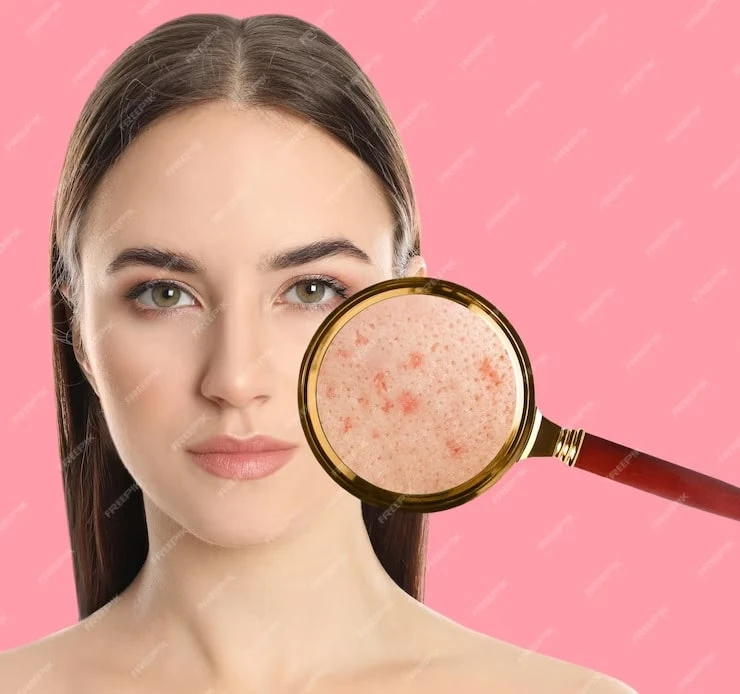

You may be aware of the benefits of retinoic acid cream, which is said to be the best remedy for skin that glows and looks young. Before you get too far in discovering the world of this skincare character, remember that every hero has enemies. That implies that there could be risks linked with tretinoin that you should be aware of.
To be clear, I'm not trying to damage your beauty regimen or force you to stop using tretinoin—not at all! Retinoids may successfully treat a variety of ailments, such as fine wrinkles and acne; therefore, for many, they can be a miracle medicine. But, like with anything strong, continue with care and attention.
You might be curious about the kinds of threats that could arise. Tretinoin may cause a great deal of skin pain at first, especially in the beginning. While the medicine is taking effect, it is normal to have some redness, peeling, and dryness on your skin. It aches at first, but you'll feel in charge when you get beyond the pain. It's similar to breaking into new shoes.
Therefore, before using the Tretinoin Cream, prepare yourself with information and reasonable expectations. Remember that taking great care of your skin takes a lot of duty! Enjoy your trip, but be aware of the risks!
What Are The Potential Risks Of Using Tretinoin Cream
This brings us to our next topic: possible risks related to using tretinoin cream. Nevertheless, remember that tretinoin may greatly lighten many people's skin before you freak out and chuck your tube in the trash. However, there may be certain drawbacks to consider, just as with anything. This time, let's study it.
1. Itching of the Skin:
Let's talk about itching first. The powerful chemical known as tretinoin lotion can cause intense pain, especially in the early stages of treatment. You may feel burning, peeling, redness, or dryness in your skin. Your skin will react to the new material with what seems like a little rage. Take comfort in knowing that this is usually very temporary and can be handled with a light skincare routine and lots of moisture.
2. Excessive Sun Sensitivity:
Sun sensitivity is the bane of beauty lovers everywhere. Usage of tretinoin lotion may make your skin more sensitive to UV rays. Hence, sunscreen should be used more often. To put sunscreen on like your life depends on it is another thing I plan to say. In fact, SPF is your best friend when using tretinoin. Otherwise, there's a chance you might suffer long-term UV damage or perhaps develop a bad sunburn.
3. Breakout:
When you first start using tretinoin cream, you can have an early breakout or a "purge." Almost everything that has been building up in your pores chooses to come to the surface all at once, causing a brief increase in breakouts. This works similarly to the way toxins are naturally removed from your skin and detoxified. Just keep going; things usually get better eventually.
4. Peel:
Nobody has ever said, "Ah, the joys of dry, peeling skin." However, tretinoin cream can sometimes make your skin peel and become dry, especially in the early stages of usage. It's like when you shed old, dead skin cells to show new ones on your face. However, you shouldn't fear using a good lotion since it may help keep your skin hydrated and healthy.
5. Potential Birth Defects:
Okay, moving on to the more important issues. Observe carefully. If you are pregnant or trying to get pregnant, you should avoid using retinoid pills. Due to studies showing that high oral amounts of tretinoin may increase the chance of birth defects, pregnant women are encouraged to totally avoid the medicine. Choose other ingredients in skincare items that are thought to be safe to use during pregnancy instead of tretinoin, and wait to use it until after you've given birth.
How To Manage The Risks In Using Tretinoin Cream
It doesn't have to feel like managing a minefield to handle the dangers involved with taking tretinoin cream. Your tretinoin journey can be smoothed down, and any side effects can be lessened with a little information and smart skincare practices.
To begin with, go slowly. Although it may be tempting to use tretinoin every night, I promise that your face will appreciate you taking it slowly. As your skin reacts, gradually increase the frequency of use from a few times per week to several times per week.
Next, drink as though it were your job. When using tretinoin, lotion is truly your best friend. To keep your skin happy and refreshed, look for a thick, moisturizing solution free of irritants like alcohol and smell. Apply it morning and night.
Oh, and remember to wear sunscreen. You've heard it a million times before; I know. But for real, using sunscreen is a must when using tretinoin. Rain or shine, make it an essential part of your morning routine.
Not to mention, pay attention to your face. It's okay to cut back on your tretinoin use or stop totally if you experience any irritation or pain. Trust your skin to tell you what it needs—it is the expert on this.
Conclusion
So now you know about the possible dangers involved with taking tretinoin cream. It's like having a safety net to help you through every step of your skincare journey and ensure you can easily overcome any hurdles.
The trick to using tretinoin cream safely and successfully is to be aware of these risks. Even though tretinoin can have a lot of benefits, it's crucial to use care and be aware of any possible adverse effects. With knowledge in hand, you can limit dangers and improve the benefits of this potent component for skincare goods.
Thus, while you use tretinoin cream for skincare, keep in mind the possible hazards, use sunscreen sparingly, and don't be afraid to ask your doctor for help. By using the proper method, you may safely utilize tretinoin's changing potential to get cleaner, smoother, and more radiant skin.
Disclaimer: The information provided on this blog is for informational purposes only and should not replace professional medical advice.




























Sign in to leave a comment.