Identifying Failing Insulation Signs in your property often starts with noticing inconsistent indoor temperatures and rising utility bills. If your home feels drafty or some rooms stay colder than others despite the heater running, your thermal barrier is likely compromised. These issues suggest that the materials to slow heat transfer are no longer performing their effectively.
This guide details exactly how to spot deteriorating materials before they lead to expensive structural damage. By understanding these red flags, you can take action to maintain a comfortable living space throughout the year. Industry experts emphasize that catching these problems early prevents moisture buildup and keeps your energy consumption under control.

1. High Energy Bills and Temperature Fluctuations
One of the most obvious Failing Insulation Signs is a sudden or steady increase in your monthly energy costs. When insulation thins or settles, your HVAC system must work harder to maintain the desired temperature. This extra effort shows up directly on your utility statement as higher heating and cooling.
You might also notice that different areas of your home have varying climates. A kitchen might feel warm while a nearby living room feels like an icebox. This imbalance typically occurs when the thermal protection in certain walls or attic sections has shifted or decayed.
Pro Tip: Comparing Utility Bills. Check your utility bills from the same month last year. If your usage has spiked significantly without a change in your habits, your insulation is a prime suspect.
2. Drafts and Cold Spots During Winter
Air leaks are common when older materials shrink or pull away from your house. Even if your windows are sealed, you might feel a breeze near outlets, baseboards, or light fixtures. These drafts indicate that the attic or wall cavities are no longer airtight.
In Eugene, the damp climate makes these air gaps even more noticeable. Cold, moist air can enter the building envelope, making the interior feel clammy. If you touch your interior walls and they feel icy, it is a clear sign of energy loss.
3. Physical Changes in Insulation Materials
Over time, certain types of protection can physically fail. Fiberglass batts might sag or pull away from the studs. Cellulose can settle under its own weight, leaving the top portions of your walls completely unprotected.
| Problem | Visual Sign | Impact |
|---|---|---|
| Settling | Gaps at the top of wall cavities | Increased heat loss in upper rooms |
| Sagging | Insulation falling away from floor joists | Cold floors and drafty crawlspaces |
| Compression | Material looking flat or matted | Reduced R-value and thermal resistance |
| Discoloration | Dark or damp spots on the material | Potential mold or air filtration issues |
4. Moisture Problems and Mold Growth
Eugene properties often have high humidity, which is a major cause of insulation failure in homes. When insulation gets wet from a roof leak or high indoor humidity, it loses its ability to trap heat. Wet fiberglass or cellulose provides a perfect environment for mold to grow.
Spotting Attic Moisture Look for water stains on your ceiling or rafters. If the material looks soggy or smells musty, it needs immediate attention from Home Insulation Repair Experts in Eugene, OR.

5. Pests and Rodent Infestations
Rodents love to nest in soft insulation materials like fiberglass and cellulose. If you find droppings, chewed wires, or "tunnels" in your attic floor, your insulation is likely contaminated. Pests compress the material and leave behind waste that can affect your indoor air quality.
Pro Tip: Listen for Activity. If you hear scratching in the walls at night, inspect your attic immediately. Removing contaminated material is necessary to keep your home healthy and efficient.
6. Ice Dams on the Roof
During occasional Eugene snowstorm, look at your roofline. If you see large icicles or "dams" of ice in the gutters, your attic is leaking heat. This heat melts the snow on the roof, which then refreezes at the cold eaves. This process is a classic sign of bad insulation.
How to Identify Insulation Problems Effectively
You can perform a simple check by looking at the joists in your attic floor. If the insulation is level with or below the tops of the floor joists, you probably don't have enough. Modern standards usually require much thicker layers than what was installed twenty or thirty years ago.
The Flashlight Test: Take a bright light into your attic or crawlspace. Look for areas where the material looks thin or where you can see the back of the drywall. These gaps are major contributors to energy loss.
Is Professional Help Necessary for Your Home?
While these self-checks offer a useful starting point, they often cannot reveal deep-seated issues hidden within wall cavities. Professional diagnostic tools like thermal imaging cameras can "see" heat escaping through your walls in real time. If you have noticed several Failing Insulation Signs, it's time to consult with Attic Insulation Contractors who can provide.
Incentives and Rebates: Many local utility programs offer rebates for upgrading your home's thermal envelope. Keeping your receipts and professional assessments can help you claim these financial incentives.
Things to Evaluate Before Choosing a New Solution
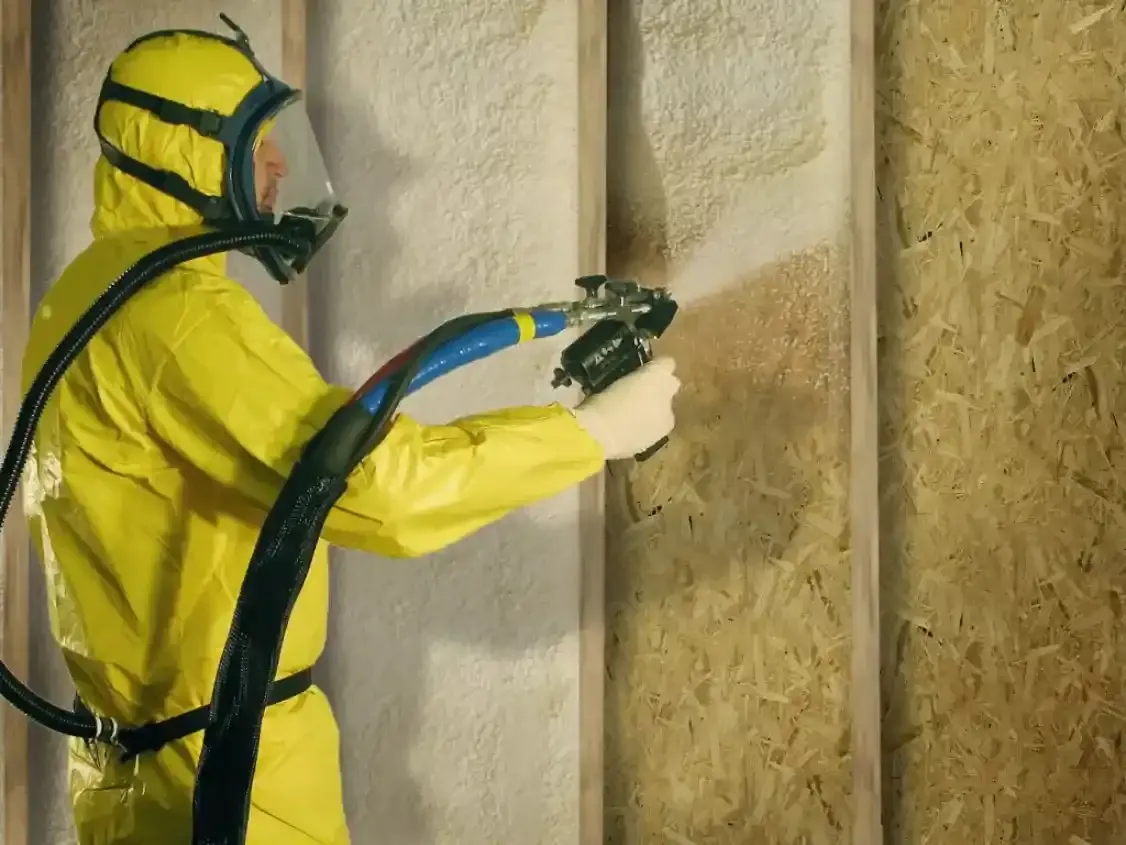
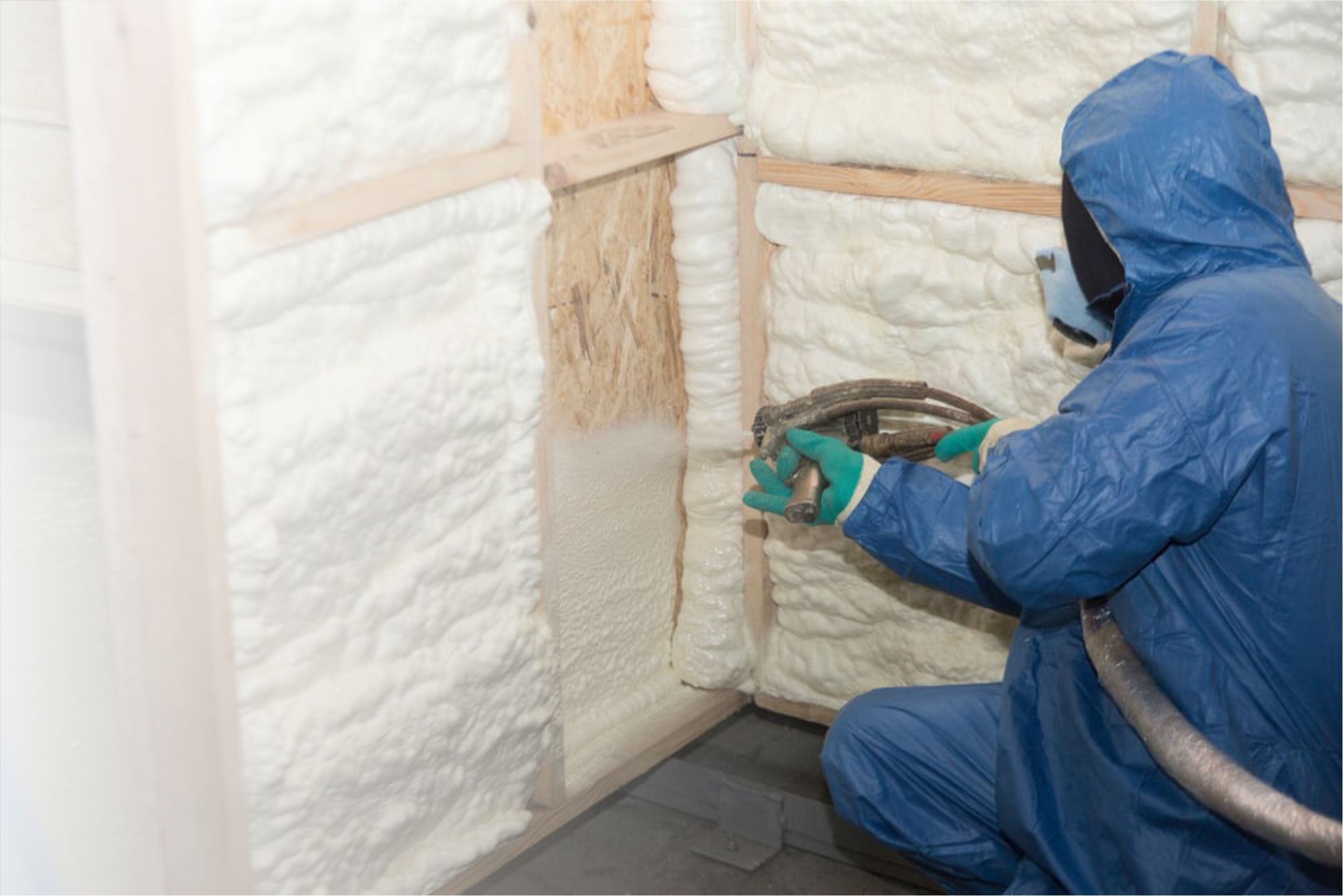
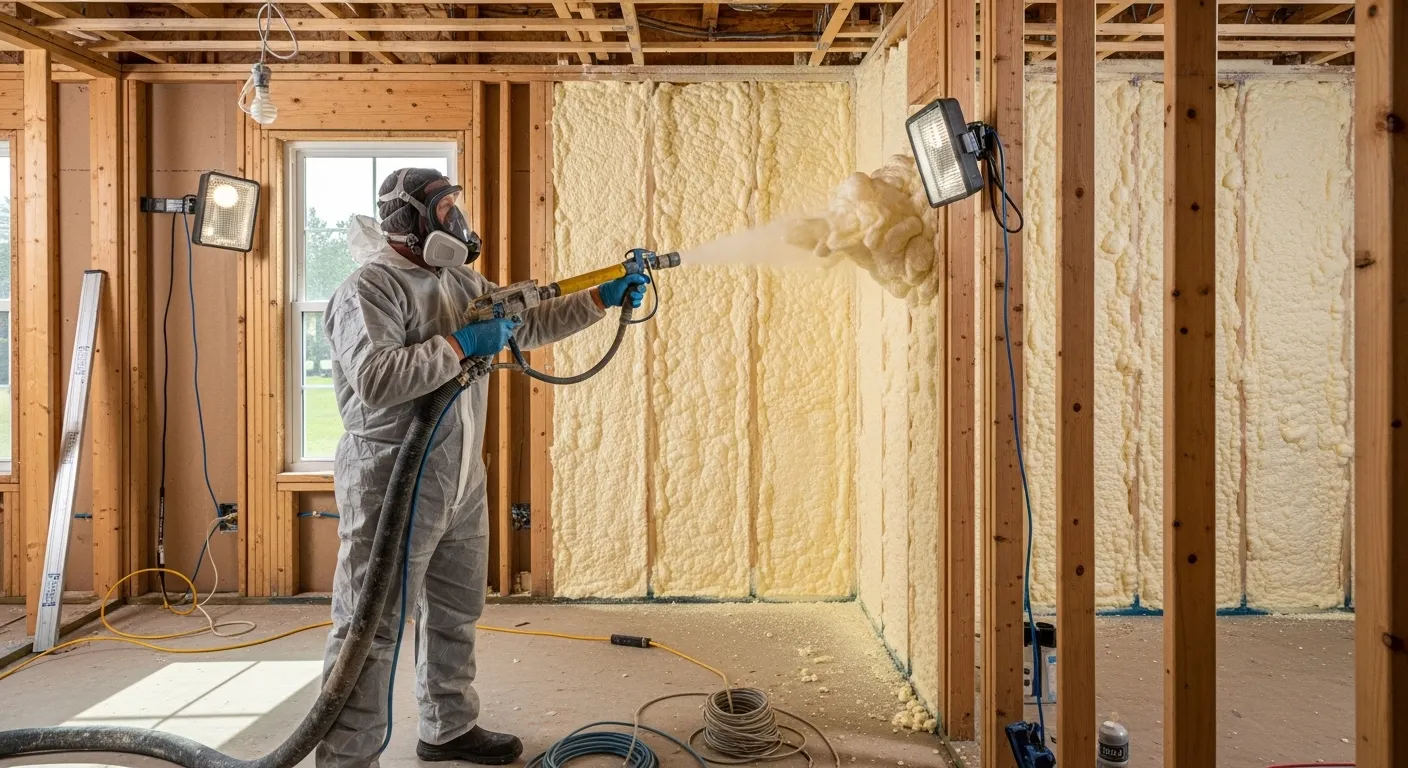
Before you decide on a fix, consider the age of your property and any history of leaks. Not all materials work in every space. For example, spray foam might be better for tight crevices, while blown-in options are great for open attic floors.
- Current R-value requirements for the Oregon climate
- Presence of existing mold or pest damage
- Air sealing needs around pipes and wires
- The condition of your roof and ventilation system
What Are the Most Common Causes of Insulation Failure?
Insulation doesn't last forever, and several factors can speed up its decline. Knowing these causes helps you prevent future issues.
- Age: Most traditional materials have a lifespan of 20 to 30 years before they lose effectiveness.
- Moisture: High humidity levels can lead to clumping and reduced R-values.
- Poor Installation: If gaps were left during the initial build, the insulation will perform.
- Air Movement: Without proper air sealing, air can move through the insulation, carrying heat with it.
Reliable Steps for a More Comfortable Home
Ensuring your property is well-protected starts with a thorough inspection of your attic and crawlspaces. If you find that your home fits many of the descriptions above, seeking a professional Insulation Replacement Service in Eugene, OR, is often the most effective way to restore comfort. With high-quality materials and proper installation, your energy bills stay low, and your indoor air stays clean. Taking these steps now protects your investment for years to come.
Access Expert Help for Your Eugene Property Insulation Needs
If you suspect your home is losing heat or you have found signs of dampness in your attic, speaking with a specialist is the best way to find a permanent solution. You can reach out to All Foam & Insulation, LLC for a professional evaluation of your current setup. They provide comprehensive assessments and can recommend the right materials for your specific needs. To get started with a free quote for your project, contact them at (541) 826-9600 or email [email protected]. You can also visit their office or view their service area via their map at https://maps.app.goo.gl/zLL2ZAvJe7UBEnFG7 to see how they help local property owners.
Frequently Asked Questions
Does old insulation need to be removed before adding new layers?
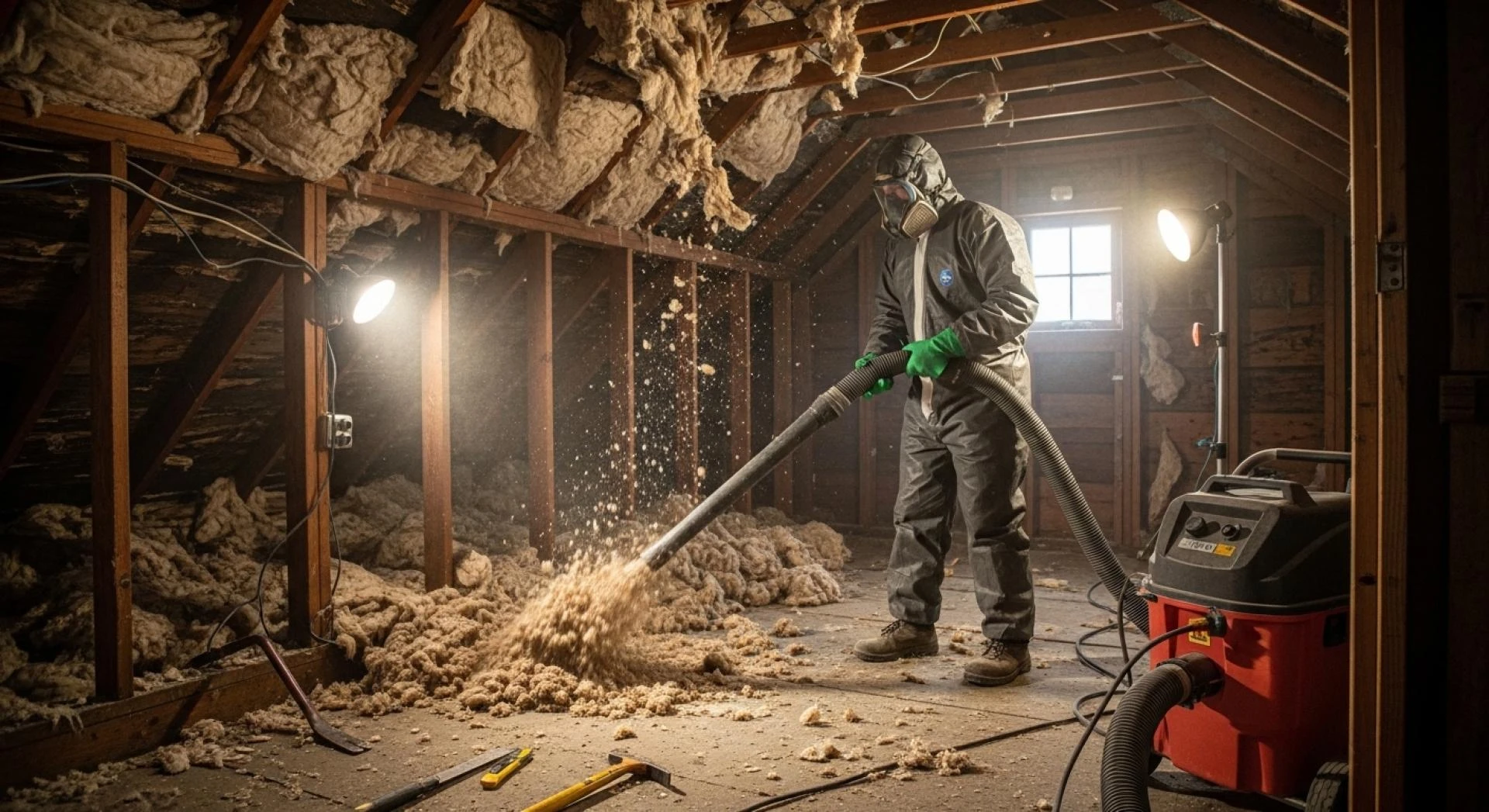
It depends on the condition. If the old material is dry and free of mold or pests, you can often "cap" it with new layers. However, if it is damp or contaminated, it must be removed to prevent health issues.
How often should I check my attic insulation?
You should perform a visual check at least once a year, preferably before the winter season begins. This allows you to spot settling or pest activity before the weather turns cold.
Can bad insulation cause health problems?
Yes, failing materials can trap moisture and lead to mold growth. Additionally, old fiberglass can shed small particles into the air, and pest droppings can carry allergens into your living space.
Why is my second floor much hotter than the first floor?
Heat naturally rises, but if your attic insulation is failing, that heat has nowhere to go and builds up in the upper levels. Better insulation acts as a shield against heat from penetrating your living space.
Is spray foam better than fiberglass for Eugene homes?
Spray foam provides a superior air seal, which is very effective in the damp Pacific Northwest. However, the best choice depends on your budget and the specific area of the home you are treating.























Sign in to leave a comment.