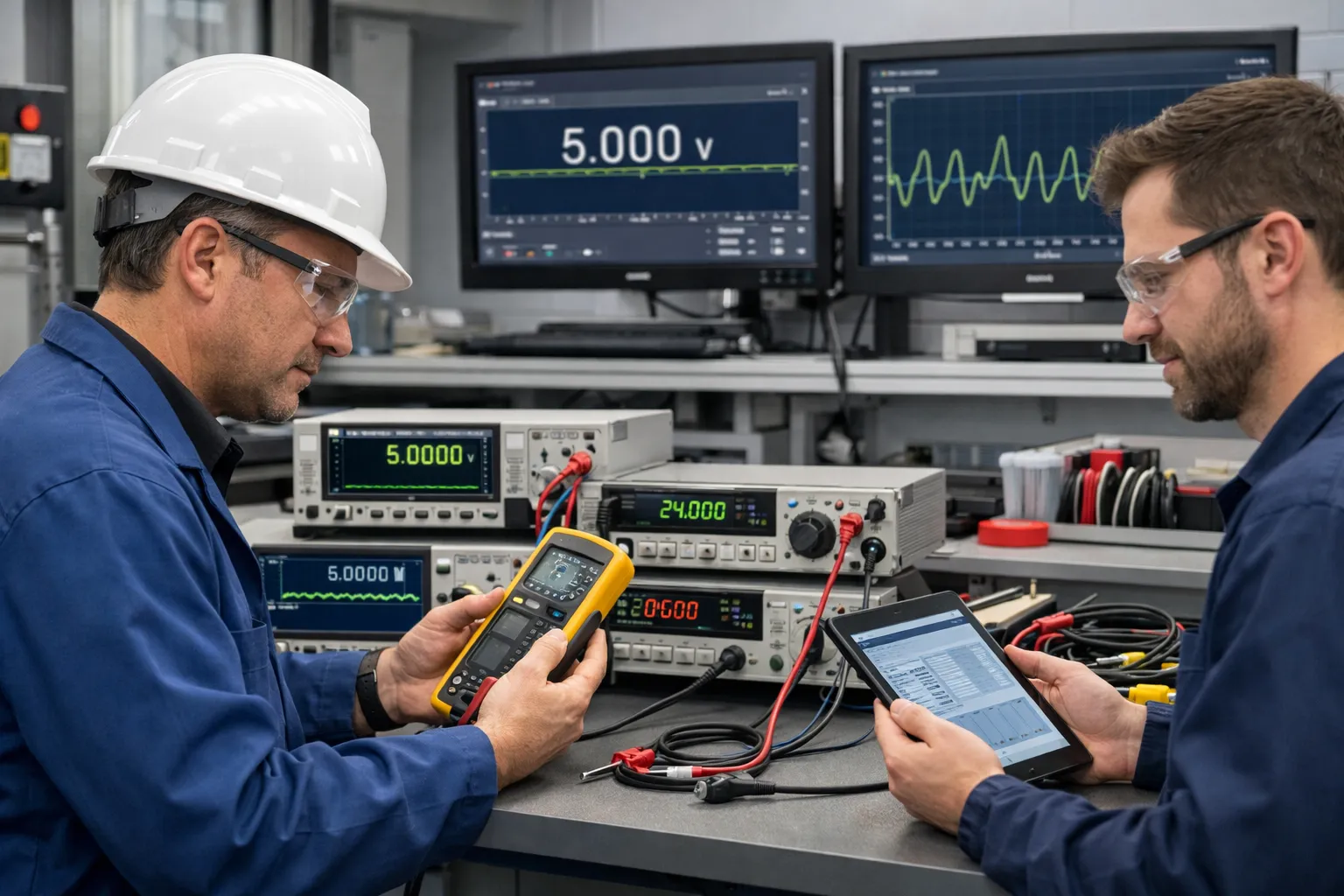

A multimeter is one of the most commonly used tools for measuring voltage, current, and resistance. It helps technicians, engineers, and maintenance teams check electrical systems safely and accurately. However, like any measuring instrument, a multimeter can lose accuracy over time. This is why multimeter calibration services in Dubai are important for maintaining reliable measurements and ensuring the instrument performs as expected.
Inconsistent Measurement Results
One of the most common signs that a multimeter needs calibration is inconsistent readings. When measuring the same electrical source multiple times, the displayed values should remain stable. If the readings change significantly without any actual change in the circuit, the instrument may no longer be accurate.
For example, a voltage source that normally measures 230 volts should provide nearly the same reading every time. If the results vary widely, calibration may be required. Consistent measurements are important because inaccurate values can lead to incorrect decisions during testing and maintenance work.
Readings That Do Not Match Other Instruments
Another sign is when the multimeter gives results that differ from other properly functioning measuring devices. Technicians often compare readings from different instruments to confirm accuracy.
If one multimeter consistently shows values that are noticeably higher or lower than trusted equipment, it may indicate that the device has drifted from its original calibration settings. Even small differences can become important when working on sensitive electrical systems.
Slow or Unstable Display Values
A healthy multimeter should provide readings that stabilize quickly. If the display continuously fluctuates while testing a stable electrical source, it may be a warning sign.
Unstable readings can make troubleshooting difficult because users may not know which value is correct. While environmental conditions and poor connections can sometimes cause fluctuations, repeated instability may suggest that calibration is needed.
Exposure to Heavy Use
Multimeters used regularly in industrial facilities, workshops, and maintenance environments experience more wear than instruments used occasionally. Frequent use can affect internal electronic components over time.
When a multimeter is exposed to daily testing activities, regular calibration checks become more important. Heavy usage increases the possibility of measurement drift, which can reduce accuracy without any visible damage to the instrument.
Physical Damage or Impact
A multimeter can sometimes be dropped, hit, or exposed to rough handling during normal work activities. Even if the instrument appears to function normally after an impact, internal components may have been affected.
Physical damage does not always cause immediate failure. Instead, it can create small measurement errors that become noticeable later. After any significant impact, it is a good practice to verify the accuracy of the device through calibration testing.
Exposure to Harsh Environmental Conditions
Environmental conditions can affect measuring equipment over time. High temperatures, humidity, dust, and sudden temperature changes may influence the performance of a multimeter.
In industrial settings, instruments are often exposed to conditions that are much harsher than those found in offices or laboratories. Regular checks help confirm that the instrument continues to provide reliable measurements despite environmental stress.
Readings Outside Expected Ranges
Experienced technicians often develop an understanding of what values they should expect when testing electrical systems. If a multimeter repeatedly displays results that seem unusual or unrealistic, it may indicate an accuracy issue.
For example, resistance measurements may appear much higher than expected, or voltage readings may not match known system conditions. When readings consistently fall outside reasonable ranges, calibration should be considered as part of the troubleshooting process.
Long Time Since the Last Calibration
Many organizations follow scheduled calibration intervals to maintain measurement accuracy. If a multimeter has not been calibrated for a long period, its accuracy may no longer be guaranteed.
Measurement instruments naturally experience small changes over time. These changes may not be noticeable during everyday use, but they can gradually affect performance. Following recommended calibration schedules helps identify any drift before it becomes a larger problem.
Failed Internal Accuracy Checks
Some workplaces perform routine verification tests using known reference values. These checks help confirm whether a multimeter is still operating within acceptable limits.
If the instrument fails these verification checks, calibration is usually the next step. Regular testing provides an effective way to identify problems before inaccurate measurements affect maintenance or inspection activities.
Difficulty Trusting Measurement Results
Sometimes users notice that they no longer feel confident in the readings provided by a multimeter. This may happen after repeated inconsistent measurements or after observing unexpected values during testing.
Confidence in measurement equipment is important because electrical work depends on accurate data. When uncertainty exists, calibration can help verify whether the instrument is still performing correctly. For organizations and professionals who rely on precise electrical measurements, multimeter calibration services in Dubai help ensure that testing equipment continues to provide dependable and accurate results.




























Sign in to leave a comment.