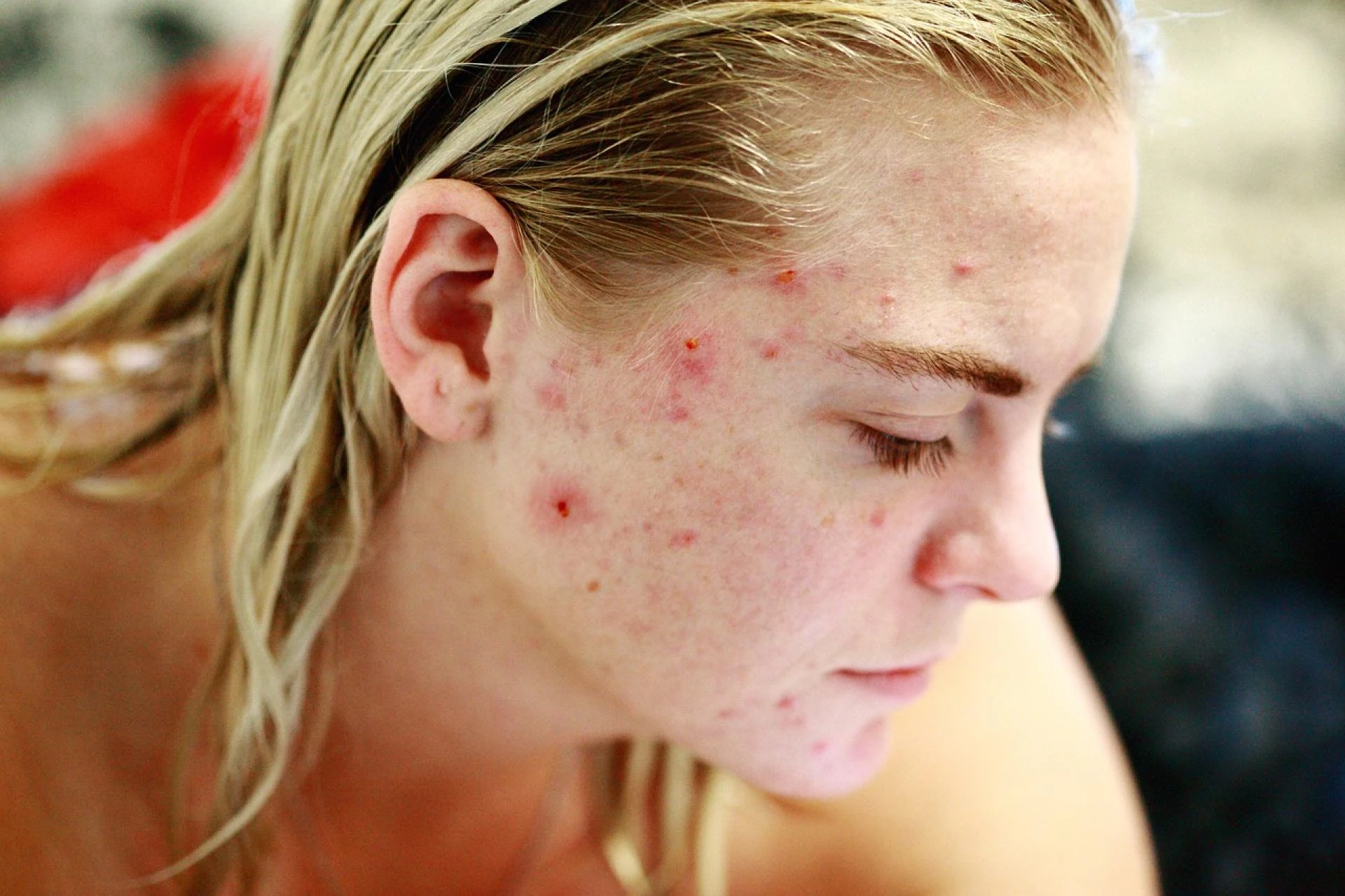

Acne scars can be a frustrating reminder of past skin issues, often affecting self-confidence and overall appearance. While acne itself may fade over time, the scars it leaves behind can be much harder to eliminate. In this article, we will explore the various solutions for stubborn acne scars, from natural remedies to advanced clinical treatments.
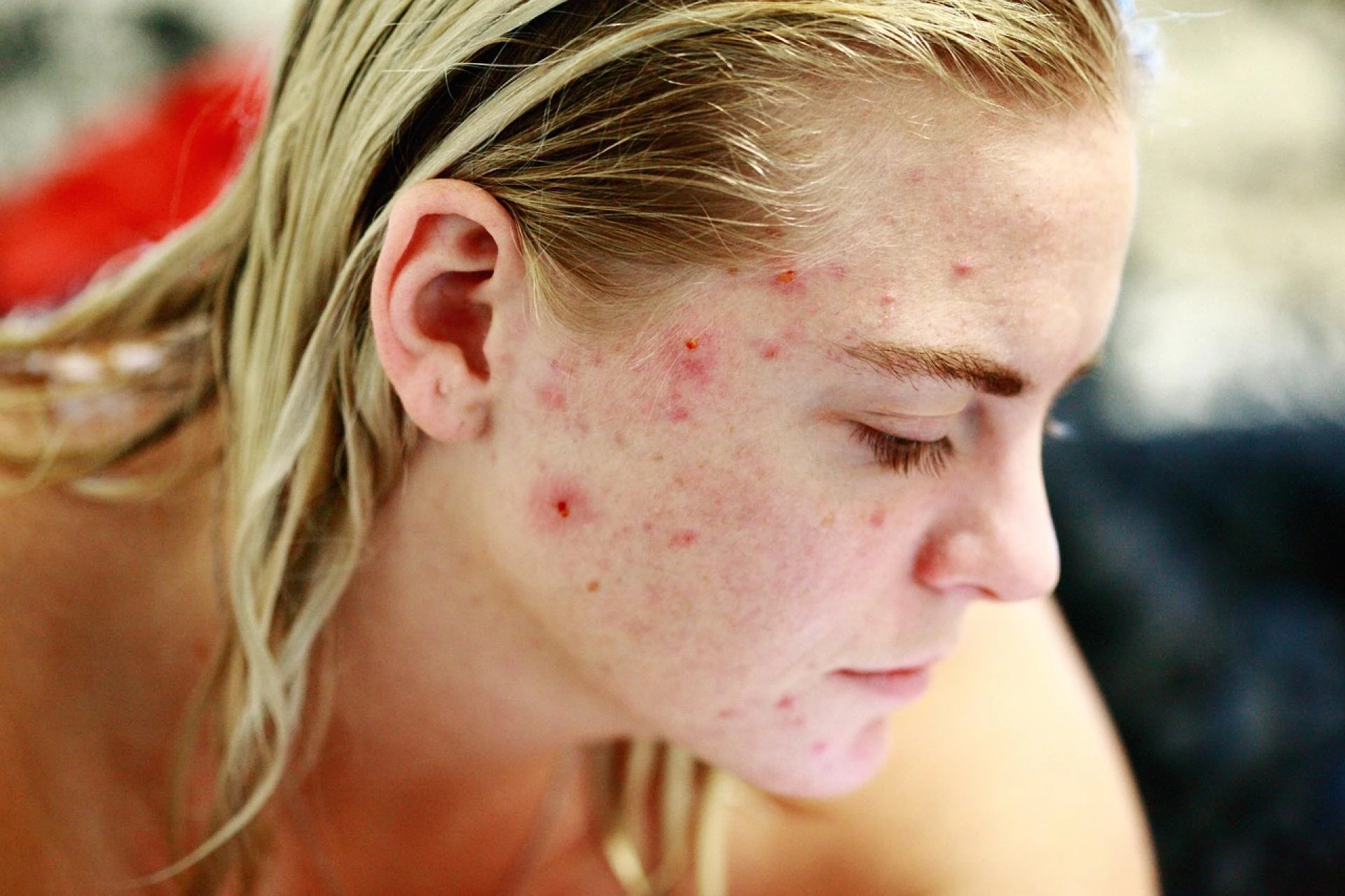
What is an Acne Scar?
Acne scars are the result of inflammation caused by acne lesions. When the skin’s pores become clogged with oil, dead skin cells, and bacteria, it triggers an inflammatory response. This process can damage the surrounding skin tissue, leading to scar formation. The severity of acne scars can range from mild discoloration to deep, pitted marks.
Why Acne Scars Don’t Go Away?
Unlike acne itself, scars do not heal naturally over time. This is because they involve changes in the skin's texture and structure. Factors such as the type of acne, genetics, and skin care habits can also influence whether scars fade or persist. Deep scars, such as boxcar or icepick scars, are particularly stubborn and require targeted treatments.
What are the Solutions for Stubborn Acne Scars?
Addressing acne scars requires a combination of methods tailored to the individual’s skin type and the severity of the scars. Acne scars can be treated naturally, using topical solutions or by clinical solutions. Here are some effective solutions:
Natural/Herbal Solutions
- Aloe Vera: Known for its soothing and healing properties, aloe vera gel can reduce redness and promote skin regeneration.
- Honey: With its natural antibacterial and moisturizing properties, honey can improve the texture of scarred skin over time.
- Lemon Juice: Rich in vitamin C, lemon juice may help lighten scars and improve overall skin tone. However, it should be used cautiously to avoid irritation.
- Turmeric: Anti-inflammatory and antioxidant-rich turmeric can help reduce pigmentation and improve skin texture when used as a face mask.
Topical Solutions
- Retinoids: These vitamin A derivatives boost collagen production and accelerate cell turnover, improving the appearance of scars.
- AHAs and BHAs: Alpha and beta hydroxy acids exfoliate the skin’s surface, reducing discoloration and promoting smoother skin.
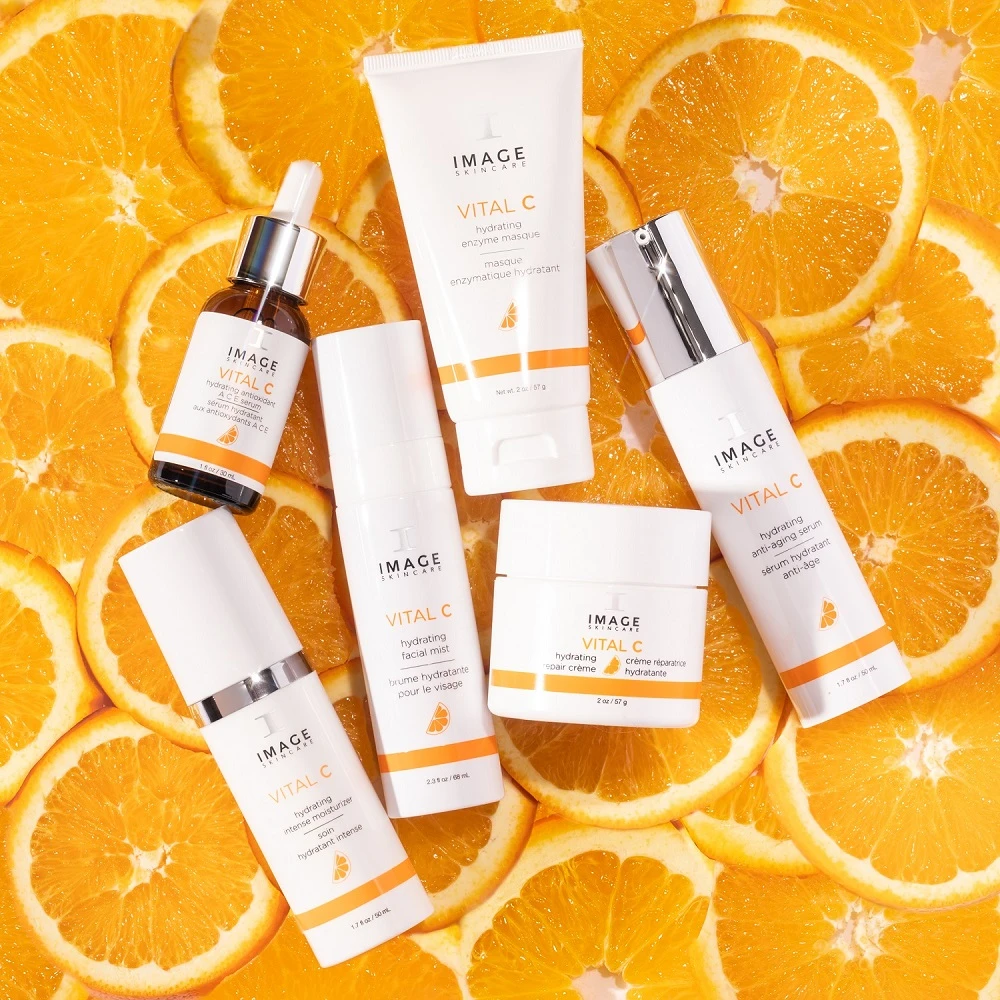
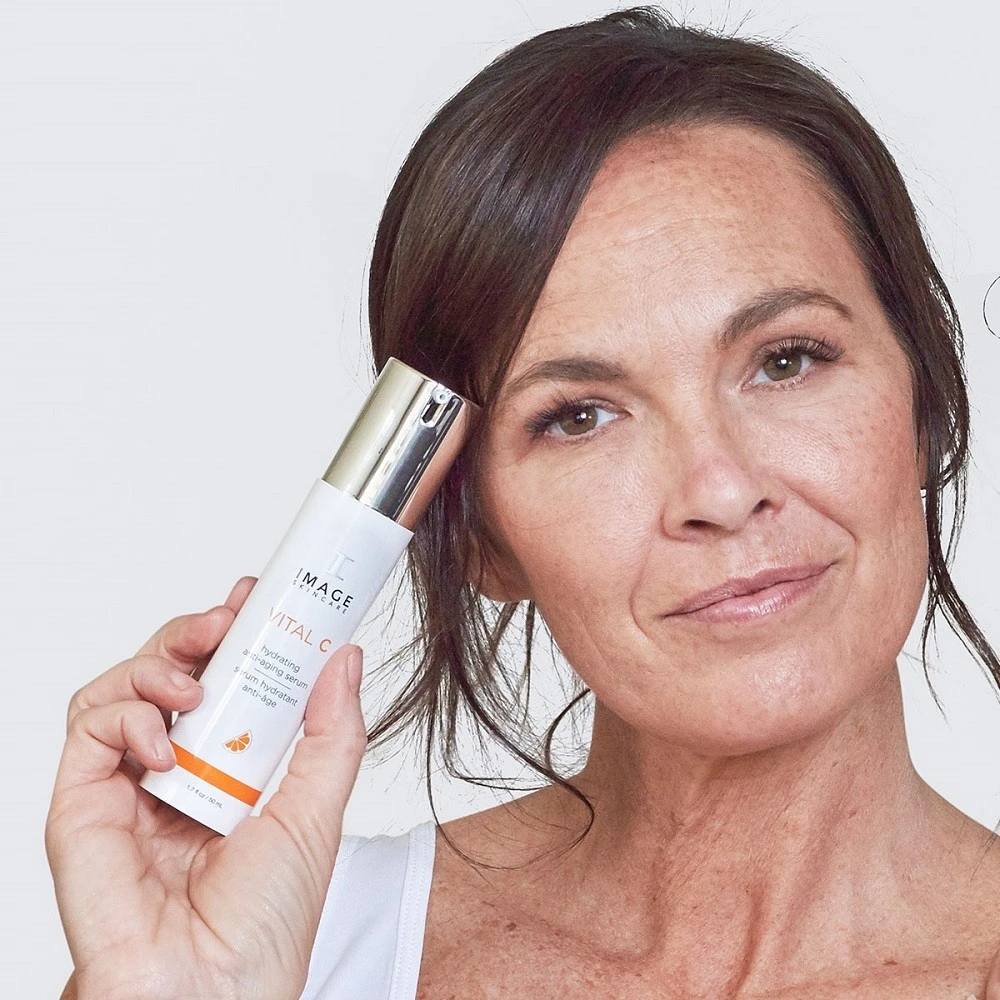
- Vitamin C Serums: Known for its brightening properties, vitamin C can fade hyperpigmentation and improve overall skin health.
- Silicone Gels: Commonly used for hypertrophic scars, silicone gels create a protective barrier, improving hydration and flattening raised scars.
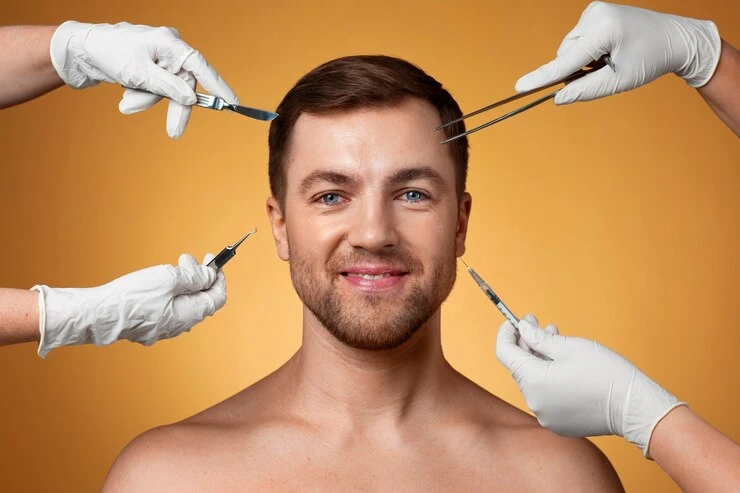
Clinical Solutions
- Chemical Peels: These treatments use acids to exfoliate the skin deeply, encouraging new skin growth and reducing scar visibility.
- Microneedling: Tiny needles create controlled micro-injuries, stimulating collagen production and improving skin texture.
- Laser Resurfacing: Ablative and non-ablative lasers target scar tissue and promote the growth of new, healthy skin.
- Dermal Fillers: For deep scars, fillers can temporarily lift the skin, creating a smoother surface.
- Subcision: This minor surgical procedure releases the fibrous tissue beneath a scar, allowing the skin to rise to a more natural level.
How to Choose the Right Treatment for You?
Choosing the best treatment depends on several factors:
- Type of Scar: For example, discoloration may respond well to topical treatments, while deep scars often require clinical intervention.
- Skin Type: Certain treatments, such as chemical peels, may not be suitable for sensitive or darker skin tones.
- Budget and Time: Some treatments, like laser resurfacing, may require multiple sessions and a higher investment.
- Consultation: Always seek advice from a dermatologist to determine the most effective and safe options for your skin.
Conclusion
Getting rid of stubborn acne scars requires patience and a combination of the right treatments. From natural remedies to advanced clinical solutions, there are plenty of options to help you achieve smoother, clearer skin. Consult a skincare professional to identify the best approach tailored to your needs. With consistent care and the right strategy, you can reduce the visibility of acne scars and regain your confidence.
















Sign in to leave a comment.