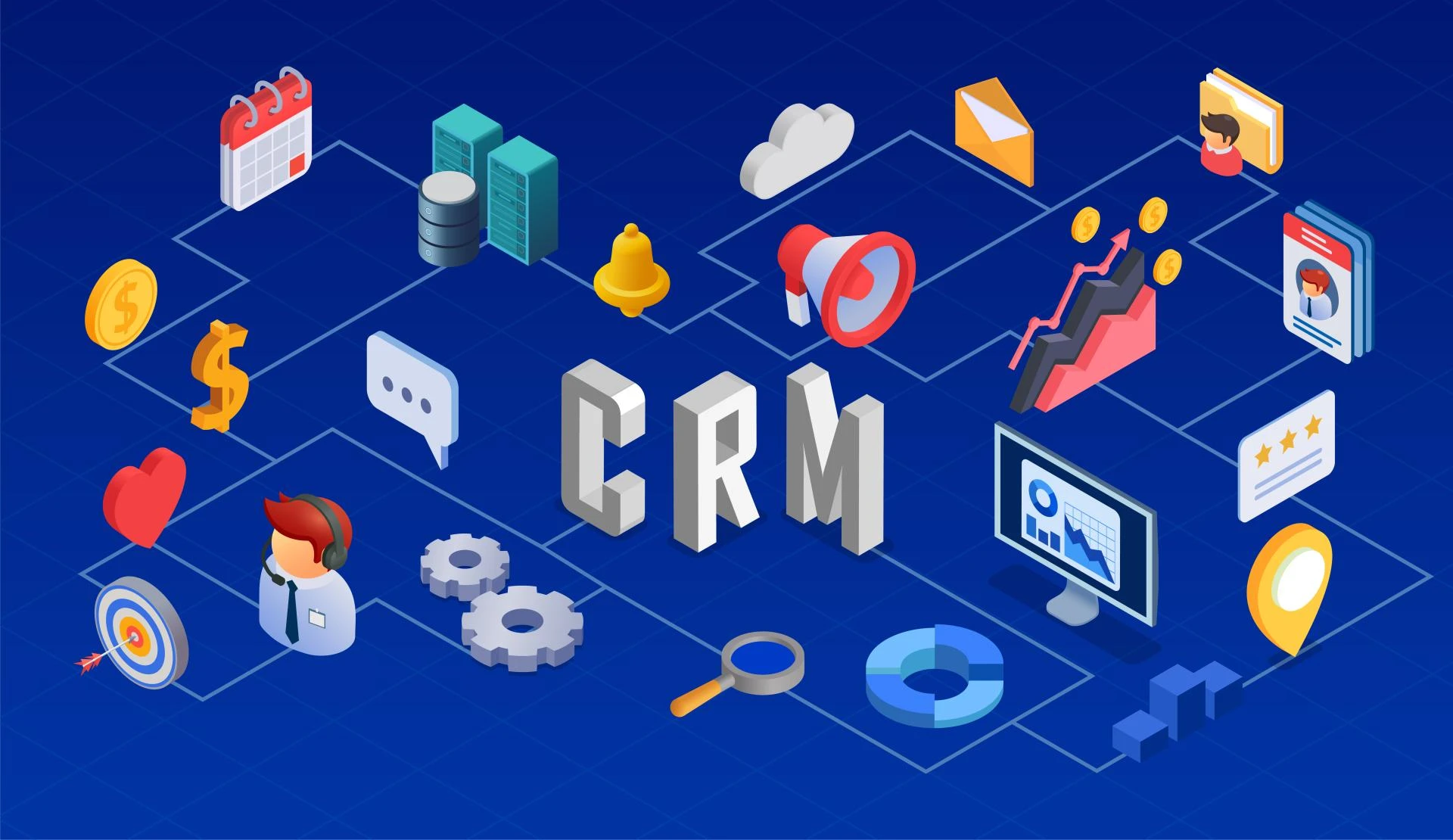

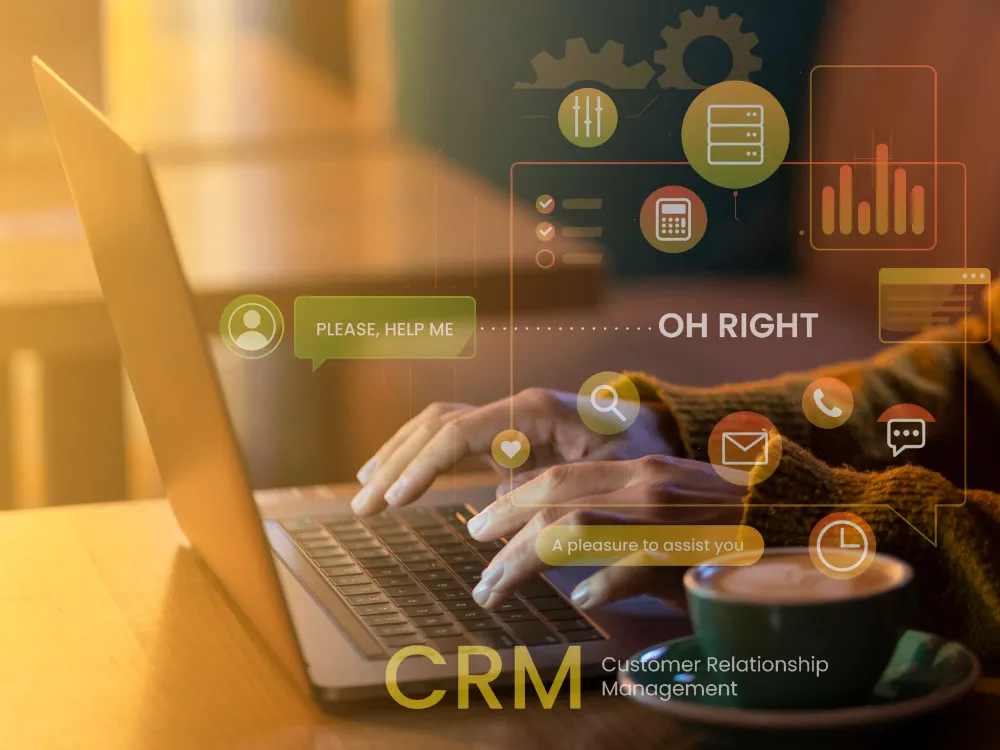
Managing customer relationships has become one of the most important aspects of running a successful business. As companies grow, keeping track of leads, customers, and sales activities can quickly get overwhelming. That’s why more and more businesses—especially startups and small enterprises—are turning to a basic CRM system to bring order, structure, and efficiency to their operations.
If you’ve ever struggled with scattered spreadsheets, forgotten follow-ups, or missed opportunities, it’s probably time to rethink your customer management process. Let’s dive into the top reasons businesses switch to a basic CRM system and how it transforms the way they handle customers and growth.
1. Organized Data, Fewer Headaches
One of the biggest challenges small businesses face is disorganization. When contact details, emails, and sales notes are spread across multiple files or platforms, valuable information often gets lost.
A basic CRM system centralizes everything—customer data, communication history, and lead information—into one place. That means your team can easily access, update, and share information without chasing files or searching inboxes.
With all your customer data neatly organized, your sales and support teams can respond faster, follow up on time, and deliver a better overall experience.
2. Better Customer Relationships
It’s no secret that customer satisfaction is the heart of every successful business. But without proper tracking tools, even the most well-intentioned teams can miss follow-ups or forget important details about a client.
A basic CRM system ensures that doesn’t happen. It helps you remember who your customers are, what they need, and when they last interacted with your business. Personalized communication becomes effortless, and your team can build trust by addressing customer needs at just the right time.
When customers feel valued and understood, they’re more likely to stay loyal—and that’s what sustainable growth is built on.
3. Streamlined Communication Across Teams
Miscommunication between teams can create confusion and lost opportunities. Sales may close a deal, but the support team might not get the full context. Marketing might generate leads, but the sales team might not know which ones are the most promising.
A basic CRM system bridges these gaps. Everyone—from marketing to sales to support—works off the same platform with access to the same real-time information. That means no more overlapping tasks, repeated follow-ups, or missed handoffs.
In short, it keeps your team aligned and your operations running smoothly.
4. Improved Lead Management and Follow-ups
How many times have you lost a potential customer simply because no one followed up? It happens more often than you’d think.
With a basic CRM system, businesses can track every lead from the first point of contact to the final sale. You can set reminders, automate follow-ups, and monitor progress through each stage of your sales pipeline.
This ensures that no lead falls through the cracks—and every opportunity gets the attention it deserves. It’s one of the key reasons why many small businesses find CRM tools invaluable.
5. Data-Driven Decision Making
Running a business based on gut feeling can only take you so far. Real growth happens when you make decisions backed by accurate data.
A basic CRM system gives you clear insights into sales trends, customer behavior, and performance metrics. You can identify which products are selling, which customers are most engaged, and where your team can improve.
These insights empower you to make smarter choices—like focusing on your best-performing products or refining your marketing strategy for better results.
6. Scalability Without the Complexity
For many startups and small enterprises, switching to a basic CRM system is about simplicity. They don’t need an overly complicated tool loaded with features they’ll never use. Instead, they want something affordable, easy to use, and flexible enough to grow with their business.
A basic CRM does exactly that—it gives you the essential features you need now, while allowing you to scale up as your business expands. It’s a smart first step toward building a solid tech foundation without the hefty investment.
7. Time Savings Through Automation
Time is one of the most valuable resources for small business owners. Manual data entry, repetitive follow-ups, and scattered communication can eat away at your team’s productivity.
The best CRM for small business users often includes automation for routine tasks like sending reminders, updating lead status, or organizing contacts. By automating these repetitive actions, your team can focus more on what truly matters—closing deals, nurturing clients, and driving growth.
8. Enhanced Collaboration in a Remote World
With hybrid and remote work becoming the new normal, teams need better ways to stay connected and informed. A basic CRM system provides a centralized workspace that keeps everyone on the same page, no matter where they’re located.
Team members can log updates, share notes, and view customer interactions in real-time. This level of transparency builds accountability and keeps your entire business ecosystem synchronized—even from different corners of the world.
9. Affordable Yet Powerful
Let’s face it—many small businesses operate with tight budgets. Investing in big, enterprise-level software isn’t always practical or necessary.
That’s where the best CRM for small business shines. It offers the core features you need to manage customers effectively, without overwhelming costs or complexity. You get real value for your investment and a solution that fits your business goals perfectly.
10. Stronger Customer Retention
Acquiring new customers is important, but retaining existing ones is even more valuable. A basic CRM system helps you stay in touch with current customers through regular communication, personalized offers, and timely service.
By nurturing existing relationships, businesses can increase repeat sales and turn happy customers into brand advocates—people who recommend your products or services to others. And that’s the kind of organic growth every business dreams of.
Switching to a basic CRM system isn’t just about adopting new technology—it’s about building smarter habits, improving teamwork, and putting customers at the center of everything you do.
For small businesses especially, it’s a game-changer. You save time, stay organized, and gain insights that drive real results. The best CRM for small business isn’t the one with the most features—it’s the one that fits your workflow, simplifies your process, and grows with you.
So if you’re ready to stop juggling spreadsheets and start managing relationships strategically, a basic CRM system might be exactly what your business needs to thrive.





























Sign in to leave a comment.