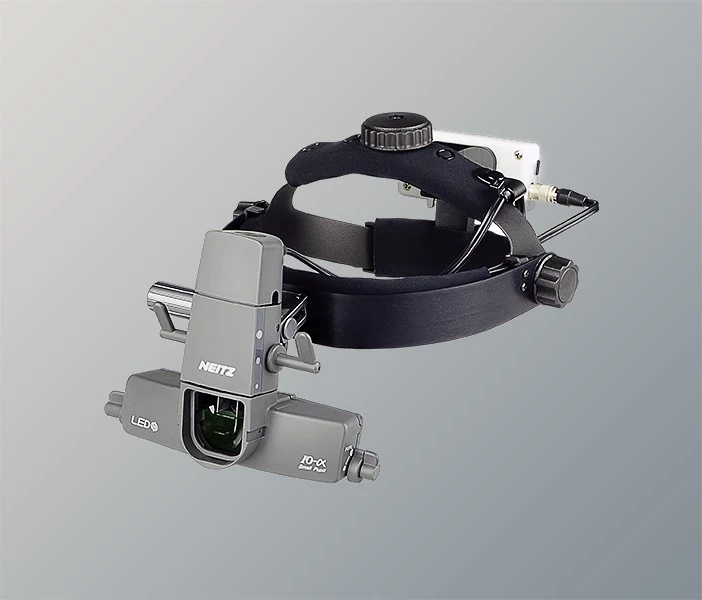

Eye examinations have grown more advanced and reliable over the years, but one instrument continues to remain a favourite among specialists — the indirect ophthalmoscope. This device is the go-to choice when doctors need a deeper, wider and more detailed look inside the eye. From diagnosing retinal disorders to detecting early signs of systemic diseases, it plays a crucial role in modern eye care.
Understanding why professionals prefer this tool can help patients appreciate its value and help clinics choose the right instrument from trusted ophthalmic equipment suppliers. Let’s dive into the reasons that make it indispensable in clinical practice.
A Wider Field of View for Better Diagnosis
One of the strongest advantages of an indirect ophthalmoscope is its ability to provide a much wider field of view compared to direct versions. A broad viewing angle allows specialists to examine the entire retina, including the far peripheral areas that often hide early signs of disease.
Conditions such as retinal tears, detachments, peripheral degeneration, and vascular abnormalities can be spotted more easily when the doctor can see more of the retina at once. This wider perspective is especially important for high-risk patients, including those with diabetes, high myopia, or a family history of retinal disorders.
Superior Examination in Challenging Situations
Not every patient is easy to examine. Some have small pupils, some have media opacities, and some may struggle to maintain eye position. In such cases, the indirect ophthalmoscope performs far better than other tools.
Its strong illumination and optical setup allow specialists to inspect even through:
-Narrow pupils
-Early cataracts
-Media haze
-Poor fixation
This flexibility is one of the key reasons many professionals rely on it for emergencies, detailed evaluations and routine screenings.
3D Depth Perception with a Binocular View
The binocular indirect ophthalmoscope offers a three-dimensional, stereoscopic view of the internal structures of the eye. This depth perception is crucial when evaluating:
-Retinal elevations
-Fluid accumulation
-Tumours
-Swellings
-Depressions in the retina
Being able to judge height, thickness and contour helps specialists make more accurate assessments and treatment decisions. A monocular system simply cannot match this level of precision.
Essential for Retinal and Vitreous Examinations
Retina specialists rely heavily on this instrument because it gives them the clarity and detail they need to detect subtle abnormalities. Many conditions present symptoms deep inside the eye, and early detection can prevent severe vision loss.
Some specific uses include:
-Screening for diabetic retinopathy
-Assessing retinal tears and holes
-Monitoring vitreous changes
-Evaluating retinal detachments
-Detecting infections and inflammations
For such sensitive tasks, the indirect ophthalmoscope remains the gold standard in practice.
Comfortable for Both Doctor and Patient
Long examinations become easier when the right tools are used. Specialists often choose an indirect system because:
-It is wearable and hands-free
-It allows comfortable patient positioning
-It ensures better stability during detailed inspections
This smoother workflow results in a more relaxed experience for patients and more accurate readings for doctors. Comfort directly supports better outcomes.
Reliable Performance in Surgery and Emergency Care
During retinal surgeries, cryotherapy, scleral buckling, and other ophthalmic procedures, surgeons depend on the indirect ophthalmoscope for real-time visualization. It offers strong illumination and a broad view, allowing surgeons to make precise decisions inside the operating room.
Emergency departments also use it frequently because it is quick to set up and effective even when the patient cannot cooperate fully. This reliability in pressure situations makes it a must-have in any ophthalmology setup.
Valuable for Training and Clinical Education
For students and young practitioners, learning to use an indirect system builds a strong foundation in retinal evaluation. Its wide field, depth perception and versatility allow trainees to understand the eye’s internal structure more clearly.
Educational institutions often partner with reputable ophthalmic equipment suppliers to ensure their students practice with high-quality instruments that match real-world standards. This exposure prepares them for professional practice with confidence.
Versatile Enough for All Types of Eye Care Practices
Whether the clinic specializes in general eye care, retina services, paediatric ophthalmology or comprehensive diagnostics, the indirect ophthalmoscope fits in effortlessly. Its adaptability makes it suitable for:
-Routine eye examinations
-Paediatric assessments
-Retinal disease screenings
-Pre- and post-operative evaluations
-Mobile eye care services
Few ophthalmic devices offer this level of versatility.
Why Eye Specialists Trust It More Than Direct Alternatives
A direct ophthalmoscope provides a narrower field, limited magnification and no depth perception. For detailed or peripheral retinal evaluation, it often falls short.
The binocular indirect ophthalmoscope, on the other hand, combines:
-Wide field
-Bright illumination
-3D visualization
-Improved clarity
-Greater flexibility
This combination makes it a far better tool for comprehensive eye health assessment.
Choosing the Right Ophthalmoscope Through Reliable Suppliers
Clinics and hospitals often depend on trustworthy ophthalmic equipment suppliers to source high-quality devices. Since precision and durability are essential in eye care, choosing the right supplier ensures:
-Consistent performance
-Better patient results
-Long-lasting equipment
-Access to modern innovations
A good supplier also ensures proper training, support and maintenance guidance, which enhances the overall functionality of the instrument.
The indirect ophthalmoscope remains one of the most valuable tools in eye examinations because it offers clarity, depth, and a wide field of vision unmatched by other devices.
Specialists prefer it for diagnosing complex retinal conditions, evaluating challenging cases and ensuring precise surgical outcomes. Its ability to adapt to different clinical scenarios makes it an essential part of any ophthalmology practice.
Whether used by experienced doctors or students learning the fundamentals, this device stands out for its accuracy, versatility and efficiency. With support from dependable ophthalmic equipment suppliers, clinics can ensure they have the right tools to deliver superior patient care.
































Sign in to leave a comment.