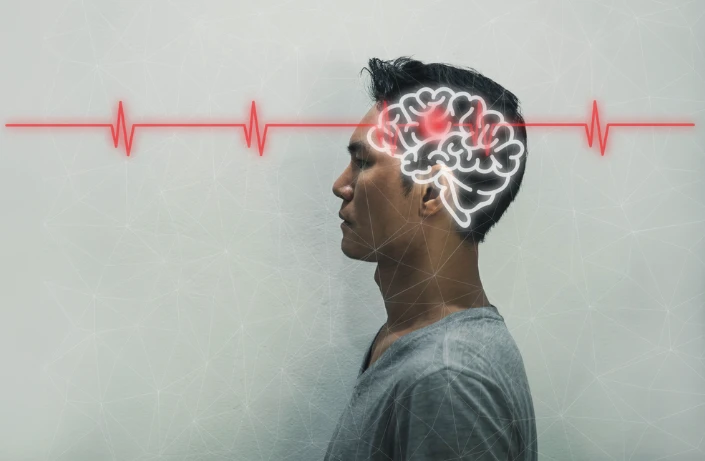

When there is insufficient blood flow to a portion of the brain, a stroke happens. As a result, the affected area is unable to receive the oxygen and nutrients it requires. Brain cells suffer damage or begin to degenerate. The effects of various stroke types on the brain vary. You can lessen long-term brain damage and perhaps even save a life by becoming aware of the stroke warning signs and symptoms and taking quick action. The causes, symptoms, and treatments of various types of strokes are discussed in this article. It also covers when to seek medical attention and how doctors identify strokes.
Types of stroke
Brainstem StrokeIschemic StrokeTransient Ischemic Attack (TIA)Hemorrhagic StrokeBrainstem Stroke
It can be challenging to diagnose brain stem strokes because they can have complicated symptoms. Without the characteristic weakness on one side of the body that characterizes most strokes, a person may experience vertigo, dizziness, and severe imbalance. Vertigo symptoms like imbalance or dizziness typically occur together; stroke symptoms like dizziness do not. Additionally, a brain stem stroke can result in blurred vision, slurred speech, and a loss of consciousness.
Brain stem strokes, like all strokes, result in a wide range of deficits and recovery. The location of the stroke within the brain stem, the severity of the injury, and how quickly treatment is given will determine whether a survivor has mild or severe deficits.
It is possible to recover. The patient is frequently able to participate more actively in rehabilitation because brain stem strokes typically do not affect language ability. After several weeks of healing, vertigo and double vision typically go away in patients with mild to moderate brain stem strokes.
Approximately 80% of strokes are ischemic. The most frequent cause of an ischemic stroke is a blood clot that gets stuck in an artery and prevents blood from getting to a certain area of the brain. The most significant risk factor for an ischemic stroke is high blood pressure. You can significantly reduce your risk of having a stroke by making lifestyle changes and brain stroke treatment
Ischemic stroke
Ischemic strokes are frequently preceded by symptoms or red flags like:
weakness or loss of feeling on one side of the bodyissues with language and speechvision or balance changes.They typically happen late at night or early in the morning. The onset of symptoms can happen quickly or can take hours to worsen. TIAs or "mini-strokes" frequently serve as early warning signs of major ischemic strokes.
Transient Ischemic attack
A transient ischemic attack, also known as a TIA, is a brief interruption in the blood supply to the brain. The symptoms typically last less than five minutes, and the clot usually dissolves on its own or becomes dislodged.
A TIA is a "warning stroke," signaling the possibility of a full-blown stroke ahead, even though it doesn't result in permanent damage. Get assistance as soon as you begin to experience symptoms, even if they disappear. It can be difficult to diagnose TIAs because of their transient symptoms, which can last anywhere from a few minutes to 24 hours. Stroke symptoms that go away in under an hour require immediate evaluation to help stop them from developing into a full-blown stroke.
Hemorrhagic Stroke
When a blood vessel in the brain is damaged or weak, hemorrhagic stroke can happen. This results in pressure and swelling that compresses the surrounding brain tissue, damaging and killing brain cells that may lead to long-term neurological issues. Deep inside the brain, a blood vessel can bleed or burst, leaking blood into the surrounding brain tissue. A blood vessel on or near the surface of the brain bursts, causing bleeding into the space between the brain and the tissues that surround and protect the brain. This is known as a subarachnoid hemorrhage.
Treatment varies depending on whether the stroke is intracerebral or on the skull's surface between the brain and the brain (subarachnoid). The goal is to stop the bleeding, deal with the underlying problem, treat the symptoms, and prevent further bleeding.
The objective is to halt the bleeding, address the underlying cause, treat the symptoms, and avoid complications like long-term brain damage. Surgery and medication may be used in conjunction for treatment. The type of surgery needed will depend on what caused the stroke.
Brain Stroke Prevention
A number of environmental, genetic, and lifestyle factors can contribute to brain stroke. Brain strokes can happen to anyone, and many different things can cause them. You can significantly reduce your risk of having a stroke by making lifestyle changes. Brain stroke prevention may also benefit from preventive medication in conjunction with appropriate medical advice.
You can develop a brain stroke prevention plan that is appropriate for you if you and your stroke specialist determine that you may be at risk for a stroke. This strategy might include both medical interventions and way-of-life modifications.





























Sign in to leave a comment.