

In today’s data-driven world, PCI DSS compliance is not just a checkbox for businesses — it’s a critical safeguard against costly breaches, reputational damage, and legal penalties. Despite its importance, many organizations misunderstand the Payment Card Industry Data Security Standard requirements, leading to non-compliance and increased vulnerability.
As experts in PCI DSS compliance consulting, we’ve seen common mistakes that can easily be avoided with the right strategies. Let’s uncover what businesses often get wrong — and how to fix it.
1. Treating PCI DSS Compliance as a One-Time Project
One of the biggest misconceptions is thinking that compliance is a “set-and-forget” process. In reality, PCI DSS compliance is an ongoing responsibility. Cyber threats evolve, new vulnerabilities appear, and your systems change over time.
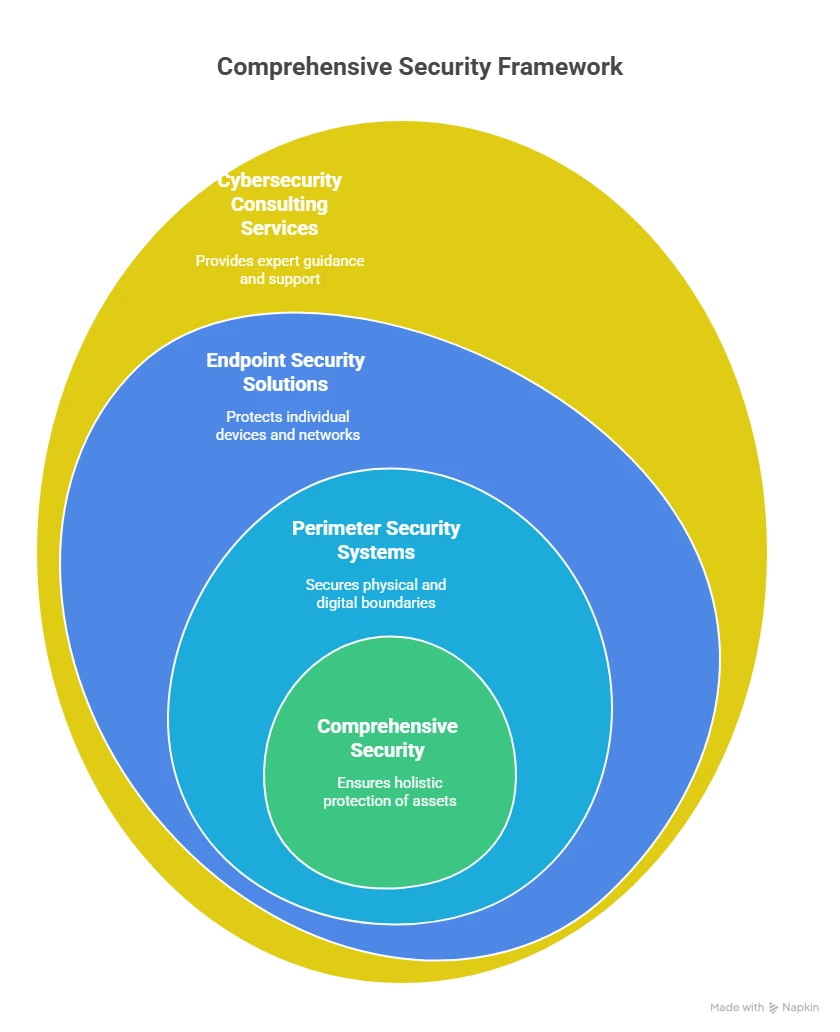
Regular risk assessments, vulnerability scans, and updates to security protocols are essential. Partnering with cybersecurity consulting services can ensure you continuously meet requirements while strengthening your defenses.
2. Ignoring Endpoint Security
Many breaches happen because attackers gain access through unsecured endpoints, such as employee laptops or mobile devices. Businesses sometimes focus only on network security but forget that a single compromised device can give hackers the keys to sensitive payment data.
Investing in a robust endpoint security solution is essential. When combined with strong access controls and monitoring, it minimizes the risk of unauthorized access to cardholder data.
3. Overlooking Physical Security Measures
PCI DSS isn’t just about firewalls and encryption — it also requires securing physical environments where sensitive data is stored or processed. Unfortunately, many businesses neglect this aspect.
Installing commercial perimeter security systems adds a critical layer of defense, preventing unauthorized personnel from physically accessing systems that store payment information.
4. Confusing PCI DSS with GDPR Compliance
PCI DSS and GDPR are separate regulations, though both focus on protecting data. Some businesses mistakenly assume that if they’re GDPR-compliant, they automatically meet PCI DSS requirements — but that’s not the case.
Working with GDPR compliance consulting and data privacy consulting experts can help you address both frameworks correctly without overlapping mistakes.
5. Neglecting Network Infrastructure Security
Secure payment processing requires a strong, reliable network infrastructure. Outdated or unsecured networks can lead to vulnerabilities that compromise compliance.
For businesses handling large amounts of transaction data, upgrading to ATT Business Fiber offers the high-speed, stable, and secure connection necessary for meeting PCI DSS requirements while improving operational efficiency.
6. Relying on Internal Teams Alone
While internal IT teams are essential, they may not have the specialized expertise needed to interpret and implement PCI DSS requirements effectively. Misinterpretation often leads to gaps that could be exploited by attackers.
Hiring professional PCI DSS compliance consulting services ensures that you’re not only meeting the standards but also optimizing your cybersecurity posture.
Conclusion
PCI DSS compliance is more than just a regulatory hurdle — it’s a critical step in protecting your business, your customers, and your reputation. By avoiding these common mistakes and leveraging expert support from cybersecurity consulting services, data privacy consulting, and specialized compliance experts, you can achieve stronger, more sustainable protection.
From implementing endpoint security solutions to securing your facilities with commercial perimeter security systems and upgrading to ATT Business Fiber, the right investments today can safeguard your business for years to come.




























Sign in to leave a comment.