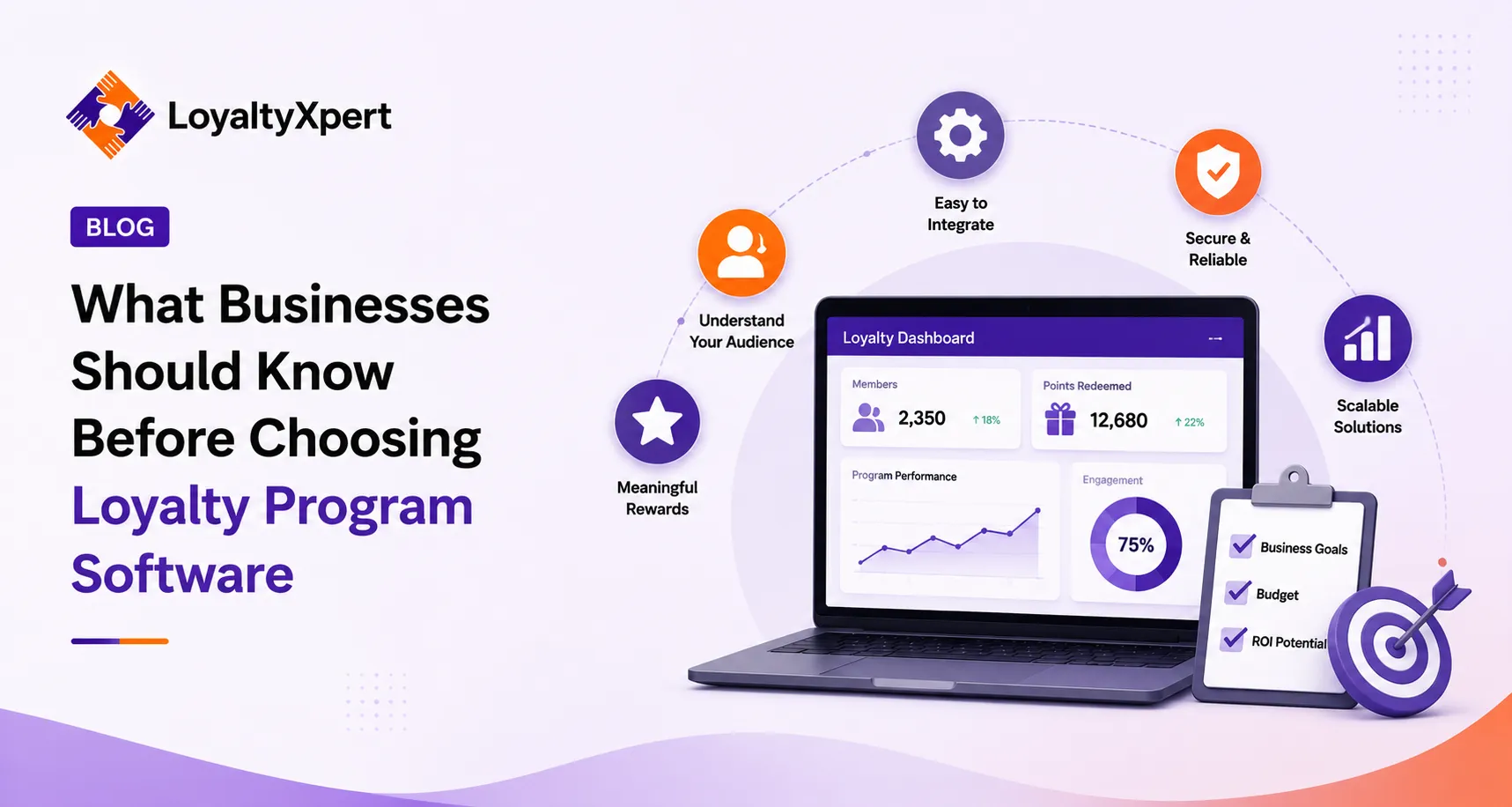

Customer retention has become a major priority for businesses across industries. While attracting new customers remains important, many organizations are focusing on strengthening relationships with existing customers through structured engagement initiatives. As a result, the demand for loyalty program software has grown significantly, helping businesses manage rewards, track participation, and improve customer experiences more effectively.
However, selecting the right software involves more than comparing features or pricing. Businesses should understand how these platforms support long-term engagement goals and what factors influence their effectiveness.
Understanding the Purpose of Loyalty Program Software
Loyalty program software is designed to help businesses create, manage, and monitor reward-based engagement initiatives. These platforms provide a centralized system where organizations can define program rules, track customer activity, and administer rewards through an automated process.
Instead of relying on manual tracking methods, businesses can use software solutions to maintain consistency and improve operational efficiency. This allows loyalty programs to become more scalable and measurable over time.
Why Businesses Are Investing in Loyalty Programs
Customer expectations have evolved considerably. Modern consumers often expect more personalized experiences and meaningful interactions with brands. Loyalty programs provide businesses with a structured way to recognize customer engagement and encourage repeat interactions.
Organizations commonly use loyalty programs to:
- Encourage repeat purchases
- Improve customer retention
- Increase engagement levels
- Build stronger brand relationships
When managed effectively, these programs can contribute to long-term customer value rather than focusing solely on short-term sales.
Key Features to Evaluate
When considering loyalty program software, businesses should look beyond basic reward management capabilities. Different platforms offer varying levels of functionality depending on business requirements.
Some commonly evaluated features include:
- Points and rewards management
- Tier-based engagement structures
- Customer activity tracking
- Automated communication workflows
- Reporting and analytics capabilities
The ability to customize program structures is also important, as engagement strategies often differ across industries and customer segments.
Importance of Data and Analytics
One of the most valuable aspects of loyalty program software is the ability to collect and analyze customer engagement data. Understanding how customers interact with loyalty programs can help businesses make more informed decisions.
Analytics can provide insights into:
- Participation trends
- Reward redemption behavior
- Customer engagement levels
- Program effectiveness over time
These insights allow organizations to continuously refine their loyalty strategies and improve overall performance.
Scalability and Long-Term Flexibility
Businesses should also consider how well a platform can support future growth. A loyalty program that works effectively for a small customer base may require additional capabilities as participation increases.
Scalable systems help organizations manage:
- Larger participant volumes
- Multiple program types
- Regional or market-specific initiatives
- Expanding engagement requirements
Choosing a platform with long-term flexibility can reduce the need for major system changes as business needs evolve.
Customer Experience and Accessibility
The success of a loyalty program often depends on how easily participants can engage with it. Complicated reward structures or difficult redemption processes can reduce participation rates.
Modern loyalty platforms typically focus on creating user-friendly experiences through:
- Simple enrollment processes
- Transparent reward tracking
- Mobile accessibility
- Clear communication of program benefits
A seamless experience encourages customers to remain active within the program and increases overall engagement.
Aligning Technology with Business Goals
Technology alone does not guarantee successful customer engagement. Businesses should evaluate whether a loyalty platform supports their specific objectives and customer engagement strategy.
A well-chosen solution should help organizations create meaningful interactions, improve customer retention, and generate actionable insights that support business growth.
Making an Informed Decision
Choosing loyalty program software is ultimately a strategic decision that can influence how businesses engage with customers over the long term. By evaluating functionality, scalability, analytics, and user experience, organizations can select a platform that aligns with both current needs and future objectives.
As customer expectations continue to evolve, businesses that invest in structured engagement strategies will be better positioned to strengthen relationships and improve retention outcomes.
Originally published on LoyaltyXpert
To explore detailed features, implementation considerations, and practical insights,
Read the full guide on loyalty program software on LoyaltyXpert.





















Sign in to leave a comment.