Renting a dumpster is one of the easiest ways to handle waste during a cleanup, renovation, or construction project. Whether you are remodeling your kitchen, cleaning out a garage, or managing a job site, a dumpster rental helps keep everything organized and safe.
However, not everything can go into a dumpster. There are clear rules about what is allowed and what is not. Knowing these rules in advance can save you money, prevent fines, and avoid delays in pickup.
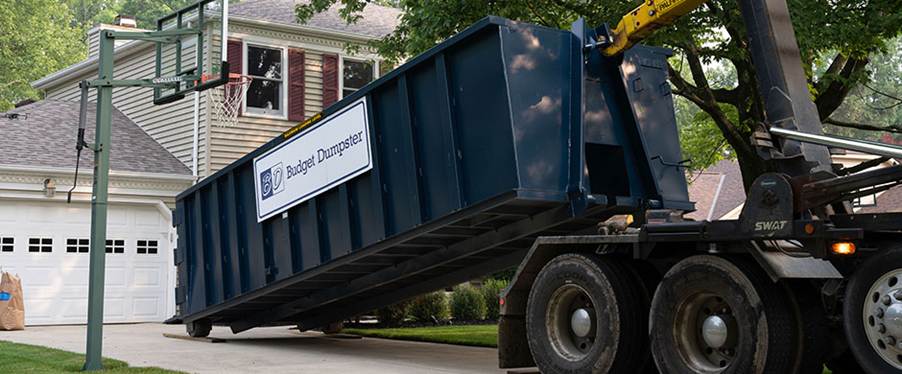
In this guide, we explain exactly what you can and can’t throw away when using dumpster rentals, so you can plan your project with confidence.
What You Can Put in a Dumpster
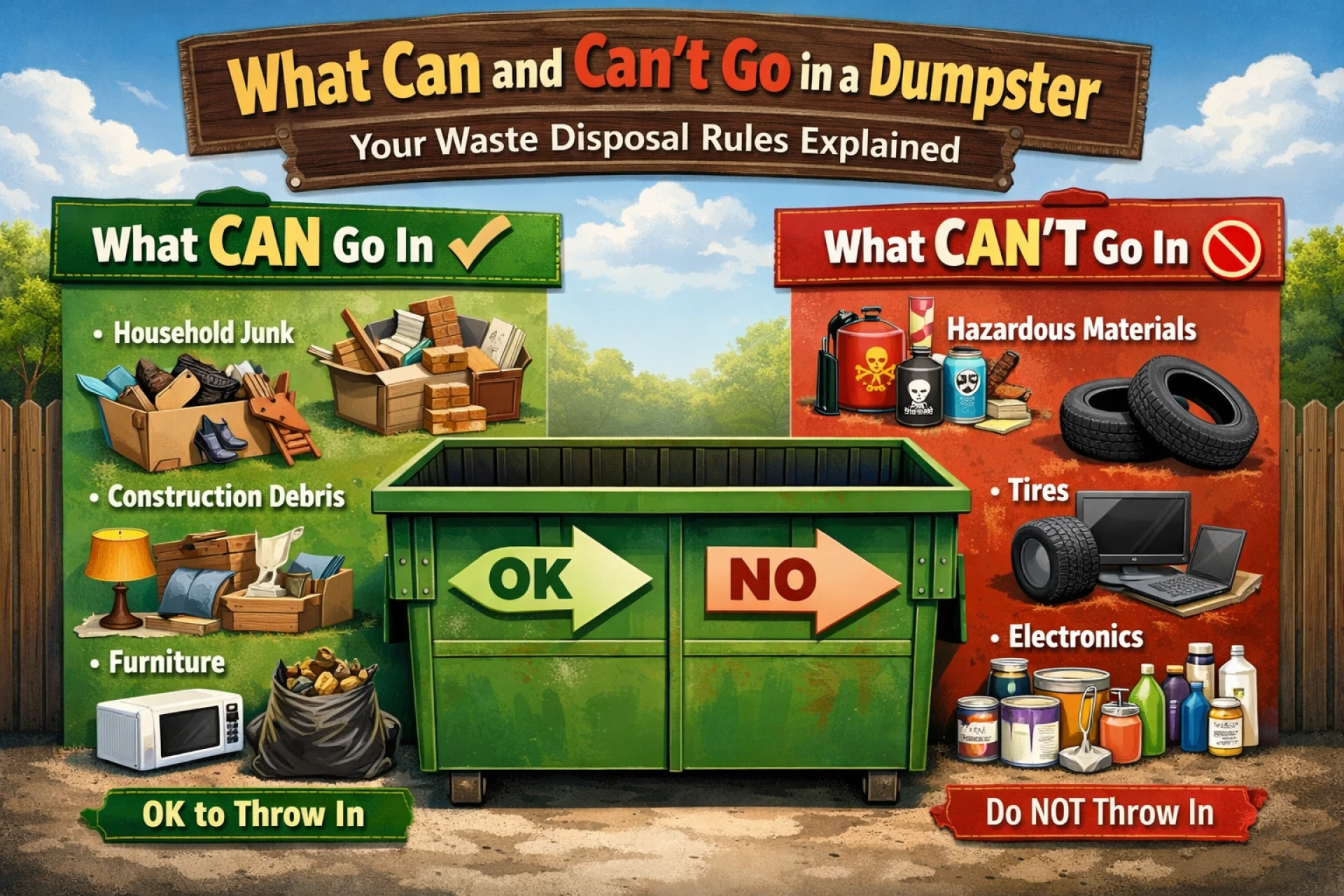
Most common waste materials from homes and construction projects are allowed. If you are using a residential dumpster rental or a construction dumpster rental, the following items are typically accepted:
Household Junk
Perfect for home cleanouts and moving projects:
- Old furniture (chairs, tables, couches)
- Mattresses (check with your provider)
- Clothing and textiles
- Toys and general clutter
- Non-hazardous household trash
Construction and Renovation Debris
A construction dumpster rental is designed for heavier materials such as:
- Drywall and plaster
- Wood and lumber
- Flooring materials (tile, carpet, laminate)
- Cabinets and countertops
- Roofing shingles
- Siding and fencing
Yard Waste
Some dumpster rentals allow yard debris, including:
- Tree branches
- Leaves and grass
- Shrubs and small plants
- Dirt (in limited amounts)
Always confirm with your local dumpster rental service, as some areas have special rules for yard waste and soil.
What You Cannot Put in a Dumpster
Certain items are restricted due to environmental regulations and safety concerns. These materials require special disposal methods.
Hazardous Waste
Hazardous materials are not allowed in any dumpster rental. These include:
- Paints and solvents
- Chemicals and pesticides
- Motor oil and automotive fluids
- Cleaning agents containing toxic ingredients
- Asbestos materials
These items can harm the environment and pose health risks. Contact your local waste facility for proper disposal instructions.
Electronics (E-Waste)
Most dumpster rentals do not allow:
- TVs
- Computers and laptops
- Printers
- Batteries
Electronics often contain hazardous components and must be recycled separately.
Appliances with Refrigerants
Items like:
- Refrigerators
- Air conditioners
- Freezers
These contain refrigerants that require professional removal before disposal.
Tires and Car Batteries
Tires and vehicle batteries are usually banned because they require special recycling processes.
Weight Limits and Overloading Rules
Even if an item is allowed, weight matters. Dumpsters have specific weight limits based on size.
For example:
- 15-yard dumpsters: Best for small cleanouts
- 20-yard dumpsters: Ideal for medium renovation projects
- 30-yard dumpsters: Suitable for large construction jobs
Overloading can result in extra charges. Materials like concrete, bricks, and dirt are heavy and may require a special container.
If you need quick service, a same day dumpster rental can help keep your project on schedule—but make sure you know what you’re throwing away before delivery.
Why Following Dumpster Rules Matters
Ignoring waste disposal rules can cause:
- Additional fees
- Refused pickup
- Environmental fines
- Project delays
A reliable local dumpster rental service will guide you through what’s allowed in your area. Regulations can vary by city and state, so always ask questions if you are unsure.
Tips for Easy and Safe Dumpster Use
To get the most out of your dumpster rental, follow these simple tips:
- Break down large items to save space.
- Do not fill above the top edge of the dumpster.
- Place heavier items at the bottom.
- Keep prohibited materials separate.
- Cover the dumpster if rain is expected (to avoid extra weight).
Planning ahead makes your cleanup smooth and stress-free.
Choosing the Right Dumpster Rental for Your Project
The type of project determines which service you need.
- Residential dumpster rental: Ideal for home cleanouts, remodeling, or yard work.
- Construction dumpster rental: Designed for job sites and heavy materials.
- Same day dumpster rental: Best for urgent cleanups or unexpected debris.
Discuss your needs with your provider so they can recommend the right size and service.
Conclusion
A dumpster rental is a smart and efficient way to manage waste during any project. Most household and construction debris is allowed, but hazardous materials, electronics, and certain appliances are not.
Understanding what can and can’t go in a dumpster helps you avoid extra costs and ensures safe disposal. When in doubt, always check with your local dumpster rental service before tossing questionable items.
With the right planning, dumpster rentals make cleanup simple and hassle-free.
Frequently Asked Questions
1. Can I put paint cans in a dumpster rental?
Wet paint is usually not allowed. However, dried paint cans may be accepted. Always confirm with your rental provider.
2. Are mattresses allowed in dumpster rentals?
In many areas, yes—but some locations charge an additional fee. Check with your local dumpster rental service.
3. Can I throw away concrete in a regular dumpster?
Concrete is heavy and may require a special container. Ask about weight limits before disposal.
4. What happens if I put prohibited items in the dumpster?
You may face extra fees or refusal of pickup. Some violations can also result in fines.
5. How do I know which dumpster size I need?
Explain your project details to the rental company. They will recommend the correct size based on debris type and volume.
If you are planning a cleanup or renovation, understanding dumpster rules ensures your project stays on track from start to finish.























Sign in to leave a comment.