
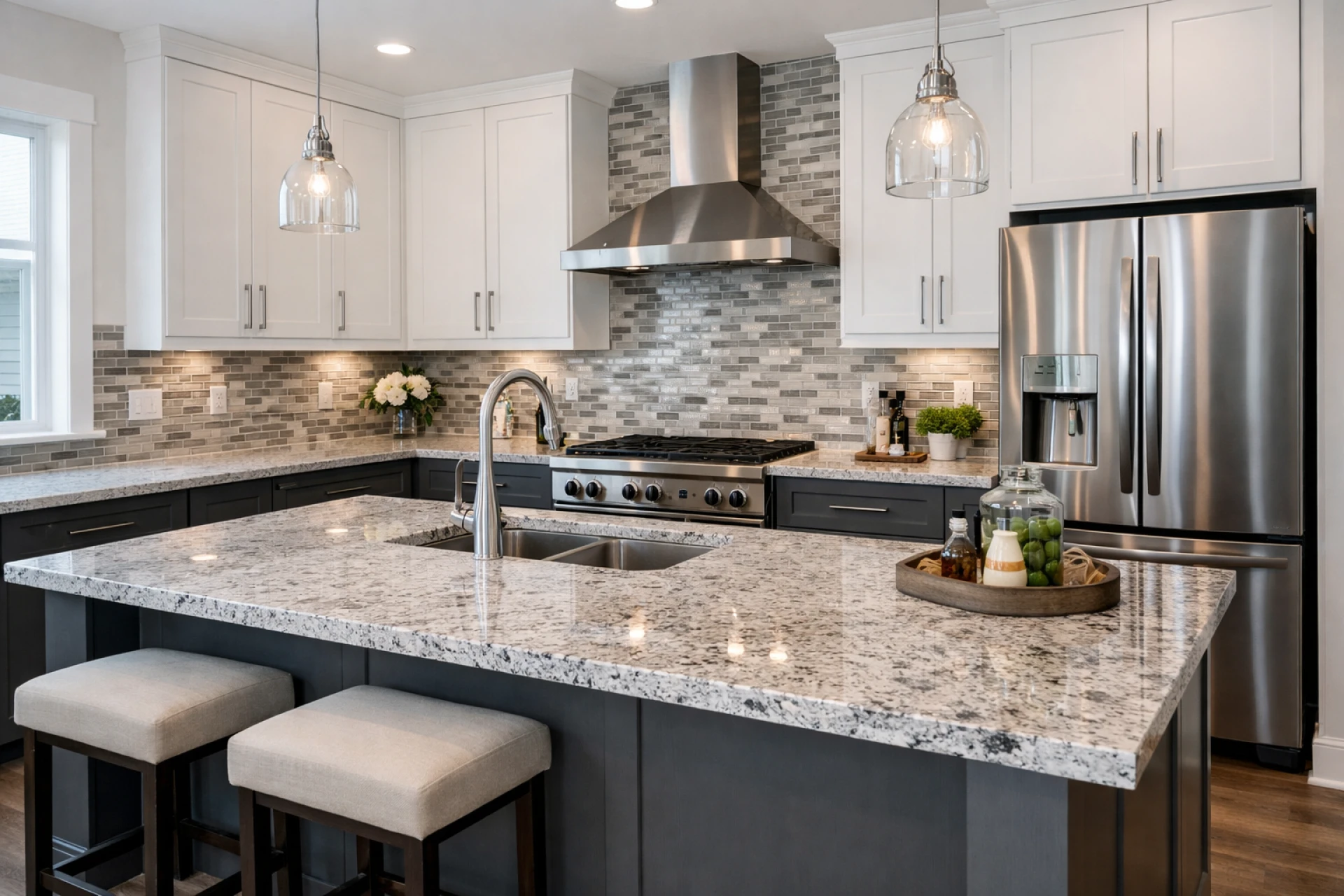
A countertop installation might look straightforward from the outside, but there is a surprising amount that can go sideways when the job is done poorly. Whether you are investing in a bathroom remodel long island homeowners dream about or upgrading your kitchen surfaces, a botched install can turn an exciting renovation into a costly headache.
From uneven seams to cracked stone, the consequences of hiring the wrong installer show up fast and stick around for years. Knowing what can go wrong helps you ask better questions, vet contractors more carefully, and protect the investment you are making in your home.
This guide breaks down the most common problems caused by poor countertop installation so you can spot red flags before they become expensive repairs.
Uneven Surfaces and Poor Leveling
One of the first signs of a bad countertop install is a surface that is not level. If the cabinets underneath were not properly shimmed or the installer skipped the leveling step, you will notice it quickly. Cups slide, cutting boards wobble, and liquids pool in spots they should not.
This problem is especially common with heavier materials like granite countertops or engineered stone countertops. The weight of these slabs magnifies even small leveling errors over time, causing stress cracks and shifting that only gets worse.
Visible Seams and Misaligned Joints
Professional countertop installers know how to position seams so they are barely noticeable. An inexperienced crew, on the other hand, will leave you with visible lines, mismatched patterns, and joints that collect grime.
With materials like quartz or marble, poorly placed seams are almost impossible to fix without replacing entire sections. This is one area where custom countertop fabrication and careful measurement make all the difference between a finished product that looks seamless and one that looks pieced together.
Improper Measurements Leading to Gaps
A bad countertop install often starts long before the slab arrives at your home. Inaccurate measurements lead to gaps between the countertop and the wall, oversized cutouts around sinks, and edges that do not align with cabinetry.
Gaps are not just cosmetic issues. They trap moisture, food debris, and bacteria, especially around kitchen sinks and bathroom vanity countertops. Over time, that trapped moisture can damage the cabinets and subflooring underneath. Proper countertop measurement and installation is a non-negotiable step that separates skilled professionals from amateurs.
Cracking, Chipping, and Material Damage
Stone, quartz, and solid surface countertops are durable, but they are not indestructible. During a careless installation, slabs can crack from improper handling, uneven support, or over-tightened fasteners.
Chipping along cut edges is another telltale sign of subpar work. A qualified installer uses precision tools and supports the material throughout the process. When corners are cut, you end up with damage that cannot be buffed out, and replacing a slab is far more expensive than getting it right the first time.
If you are also selecting bathroom tiles long island homeowners often pair with new countertops, the same principle applies. Quality installation protects your materials from day one.
Plumbing and Appliance Fit Problems
Countertops do not exist in isolation. They need to work with sinks, faucets, cooktops, and other fixtures. A bad install can leave sink cutouts that are too large, too small, or slightly off-center, creating problems that cascade into plumbing issues.
When the cutout does not match the fixture, you may see leaking around the sink base, difficulty mounting faucets, or cooktops that sit unevenly. These issues are common during kitchen remodel countertop projects and bathroom remodel work alike, and they almost always require a professional to come back and correct the installer's mistakes.
How to Avoid a Bad Countertops Installation on Long Island
Preventing these problems comes down to choosing certified countertop installation specialists who have a proven track record. Here are a few things worth checking before you hire anyone:
Verify Experience With Your Chosen Material
Not every installer handles all materials equally well. Someone experienced with laminate countertops may not have the skills for marble countertop work or butcher block countertop installation. Ask specifically about their experience with the material you have chosen.
Ask About the Measurement Process
A reputable contractor will use digital templating or laser measurement tools rather than relying on a tape measure alone. This level of precision prevents the gap and fit issues described above.
Check Reviews and Past Projects
Look at recent completed work, not just staged photos. Ask for references from homeowners in Nassau County or surrounding Long Island communities who had similar countertop replacement services done. Real feedback tells you more than any sales pitch.
Get a Detailed Written Estimate
A thorough estimate should cover material costs, fabrication, removal of old countertops, installation labor, and any finishing work. Vague pricing is a red flag that often signals corners will be cut during the actual work.
A countertop is one of the most visible and most used surfaces in any kitchen or bathroom. When the installation goes wrong, you deal with everything from cosmetic flaws and structural cracks to plumbing problems and premature material failure.
The good news is that most of these issues are completely avoidable. Taking the time to find experienced, qualified professionals who prioritize precise measurement, proper handling, and clean finishing work protects your investment for years to come.
If you are planning a countertop project on Long Island, do your homework, ask the right questions, and never settle for the lowest bid without understanding exactly what you are getting.
FAQs (3)
What are the most common problems with a bad countertop installation?
The most common problems include uneven surfaces, visible seams, gaps between the countertop and wall, cracked or chipped material, and improper sink or appliance cutouts.
Can a poorly installed countertop cause water damage?
Yes, gaps and poorly fitted sink cutouts trap moisture that can seep into cabinets and subflooring, leading to mold growth and structural damage over time.
How do I find a reliable countertop installer on Long Island?
Check for experience with your specific material, ask about their measurement process, read recent customer reviews, and always get a detailed written estimate before committing.





















Sign in to leave a comment.