

Manufacturing efficiency plays an important role in maintaining product quality, controlling production costs, and meeting delivery schedules. In PVC and plastic manufacturing, processing efficiency can be affected by several factors, including raw material consistency, temperature control, additive selection, mixing, equipment condition, and production settings. Even small variations can lead to defects, material waste, processing delays, or inconsistent product performance. Manufacturers therefore need to identify the main causes of inefficiency and use suitable materials and processes to achieve more stable production.
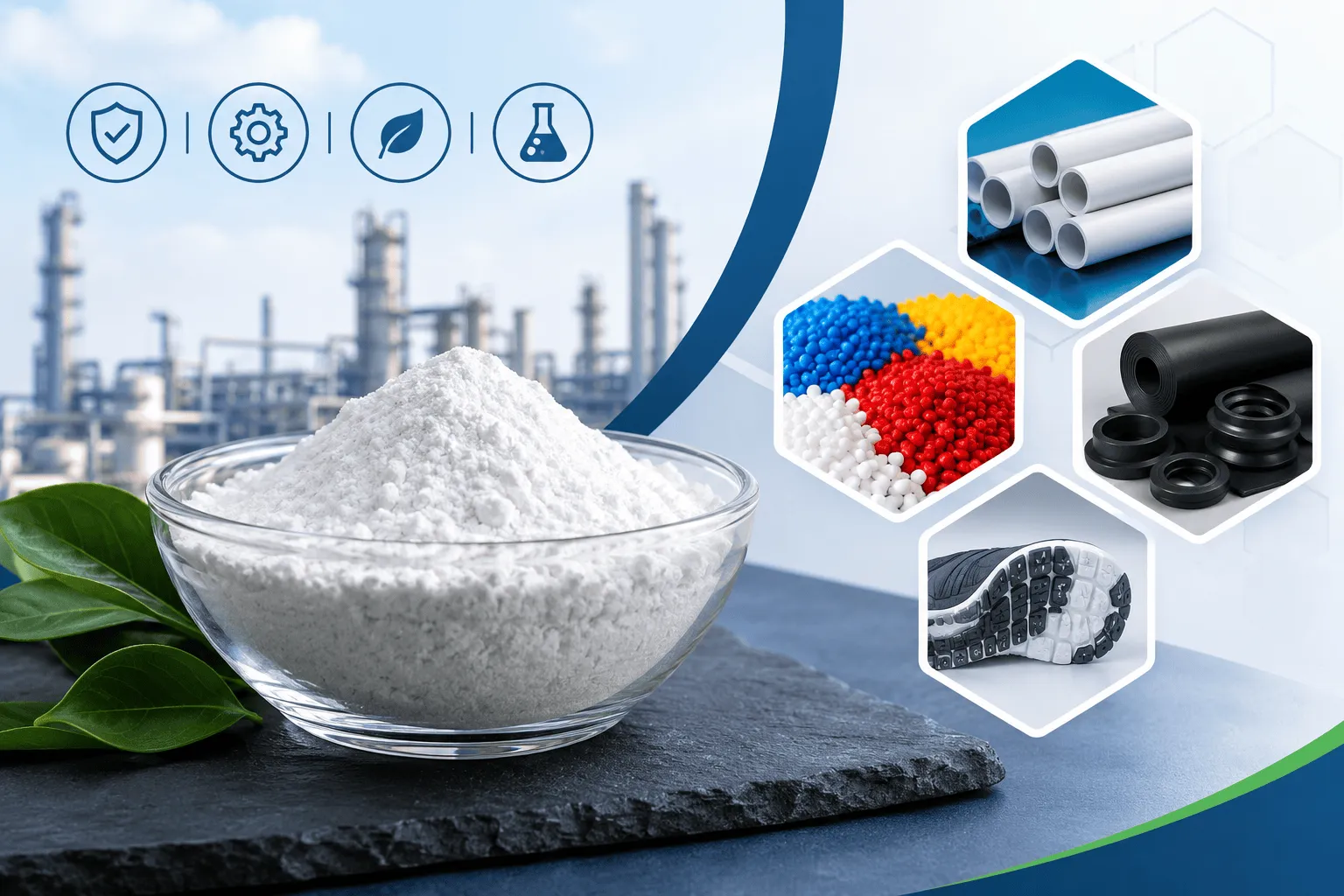
One important step is selecting reliable raw materials and additives that match the application. Working with experienced Calcium Stearate Manufacturers in India can help manufacturers source consistent-quality calcium stearate for different industrial requirements. Calcium stearate is commonly used as a processing aid, lubricant, and stabilizing component in various PVC and plastic applications. Consistent material quality can help reduce batch-to-batch variations and support smoother processing.
Maintain Consistent Raw Material Quality
Variations in raw materials can create major processing challenges. Differences in purity, moisture, particle size, or material composition may affect mixing, melting, lubrication, and final product quality. Manufacturers should establish clear specifications for incoming materials and conduct regular quality checks before production.
Consistent raw materials make it easier to maintain the same processing conditions from one batch to another. This can reduce unexpected adjustments, production interruptions, and unnecessary material consumption.
Optimize Processing Temperature
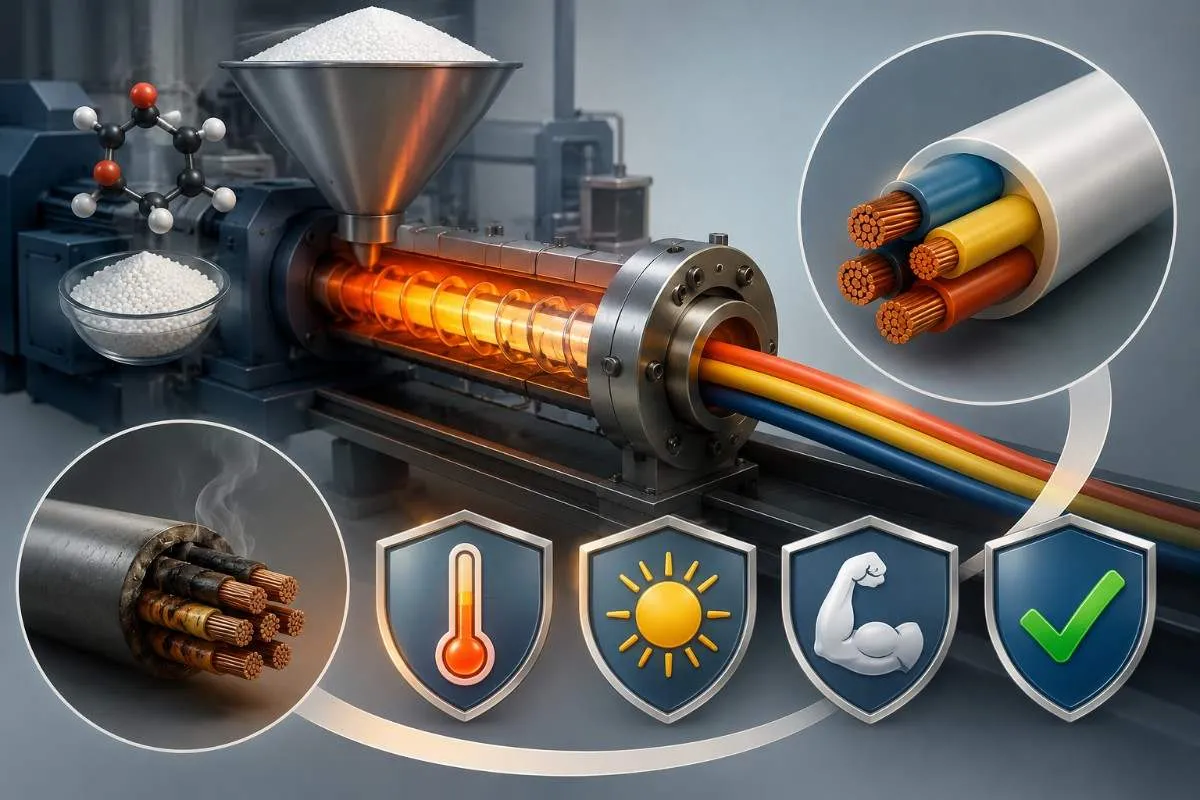
Temperature management is another important factor in manufacturing efficiency. PVC and plastic materials need to be processed within suitable temperature ranges. Excessive heat can cause thermal degradation, discoloration, poor surface finish, or changes in mechanical properties. Insufficient heat, on the other hand, may result in incomplete fusion or poor material flow.
Manufacturers should monitor processing temperatures at different stages and maintain equipment settings within the recommended operating range. Regular calibration of temperature sensors and controllers can also help prevent avoidable variations.
Select Additives According to the Application
Not every manufacturing application requires the same additive combination. Using an unsuitable stabilizer, lubricant, or processing aid can create problems such as poor dispersion, surface defects, inconsistent fusion, or reduced product performance.
The additive system should therefore be selected according to the material, processing method, product design, and required performance. For example, manufacturers producing PVC footwear need stabilization and processing solutions that can handle the specific requirements of shoe production. Choosing appropriate Heat Stabilizers for Shoes can help manage the effects of heat during processing and support better color and product consistency.
Improve Mixing and Dispersion
Poor mixing can prevent additives from being distributed evenly throughout the material. This may create weak areas, inconsistent color, processing variations, or differences in final product performance.
Manufacturers can improve efficiency by maintaining suitable mixing time, temperature, speed, and sequence of material addition. Equipment should also be checked regularly to ensure that mixers, blades, and other components are working correctly.
A consistent mixing procedure makes production more predictable and reduces the need for repeated batches caused by uneven additive distribution.
Reduce Processing Waste
Material waste directly affects manufacturing costs and overall efficiency. Waste may result from rejected products, incorrect formulations, poor processing conditions, equipment problems, or excessive trial-and-error adjustments.
Manufacturers should track the reasons for rejected batches and identify recurring issues. If discoloration frequently occurs, for example, the manufacturer should examine temperature settings, residence time, stabilizer selection, and raw material quality instead of simply increasing production quantities.
A systematic approach to identifying the root cause can reduce repeated failures and improve material utilization.
Maintain Production Equipment
Even a well-designed formulation may produce inconsistent results when machinery is not properly maintained. Worn components, incorrect pressure, poor temperature control, or contamination inside processing equipment can affect product quality and production speed.
Regular preventive maintenance helps manufacturers identify equipment problems before they cause major interruptions. Cleaning processing equipment between suitable production runs can also reduce contamination and improve consistency.
Manufacturers should maintain records of maintenance activities, equipment performance, and recurring faults. These records can help production teams identify patterns and plan maintenance more effectively.
Use Regular Quality Checks
Quality control should not be limited to the final product. Testing materials and monitoring production at different stages can help identify problems earlier.
Manufacturers can check parameters such as color, appearance, dimensions, processing behavior, hardness, strength, or other application-specific properties. Comparing results across batches can highlight variations before they become significant production problems.
Early detection allows manufacturers to make smaller corrections rather than rejecting an entire production batch.
Work With a Reliable Additive Supplier
Supplier reliability can have a direct effect on production efficiency. Delayed deliveries, inconsistent product quality, unsuitable grades, or limited technical support can make production planning more difficult.
Manufacturers should evaluate suppliers based on product consistency, quality control, delivery reliability, packaging, technical understanding, and communication. A supplier that understands the application can also help manufacturers identify suitable additive solutions when processing problems arise.
For businesses using calcium stearate and other industrial additives, long-term cooperation with a dependable supplier can make material planning easier and reduce unnecessary sourcing issues.
Focus on Continuous Improvement
Improving processing efficiency is not a one-time activity. Manufacturing teams should regularly review production data, material consumption, rejection rates, machine performance, and customer feedback. These insights can help identify areas where processes can be improved.
Small improvements in formulation control, temperature management, mixing, equipment maintenance, and quality testing can create meaningful results over time. Instead of addressing problems only after defects appear, manufacturers can develop preventive processes that keep production stable.
Conclusion
Processing efficiency depends on several connected factors, from raw material quality and additive selection to temperature control, mixing, equipment maintenance, and quality monitoring. Manufacturers that identify the root causes of processing problems can reduce waste, improve consistency, and maintain better production performance. Choosing suitable additives and working with dependable suppliers can further support these goals. A systematic, quality-focused approach allows manufacturers to create more stable processes while improving productivity and controlling unnecessary production costs.
















Sign in to leave a comment.