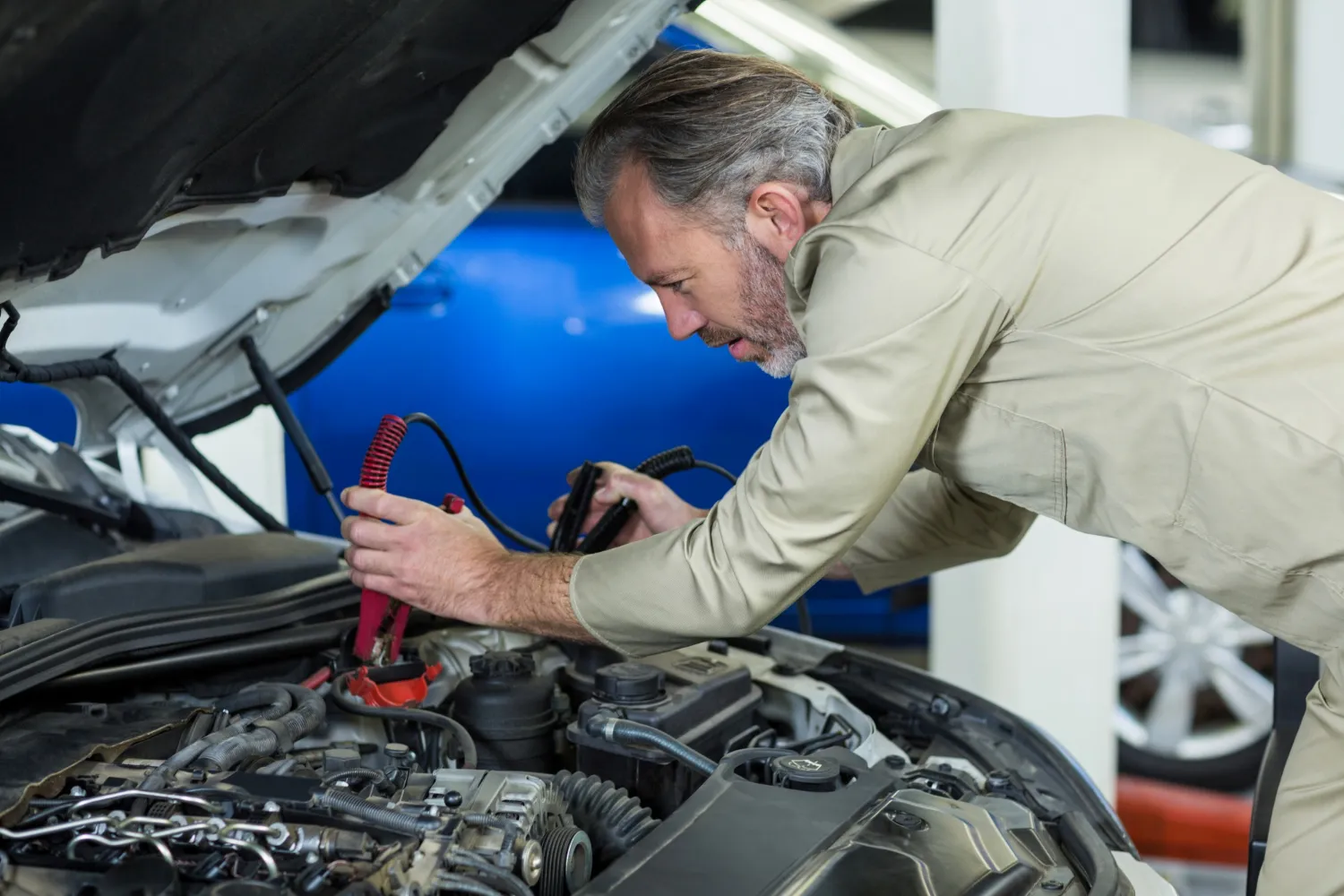

A car battery is one of the most important parts of your vehicle. It helps start the engine and powers the lights, radio, and other electrical systems. But sometimes a battery can stop working without warning. One moment your car is fine, and the next it will not start at all.
Many drivers only think about their battery after they are stranded. A dead battery can happen at home, at work, in a shopping centre car park, or even on the side of the road. For drivers across Perth and surrounding suburbs, this often means needing fast and reliable car battery replacement in Perth after a sudden breakdown.
Understanding what causes battery failure can help you avoid stress, delays, and expensive repairs. In this guide, we will explain the most common reasons car batteries die suddenly and what you can do to prevent the problem.
How Does a Car Battery Work?
Your car battery stores electrical energy. When you turn the key or press the start button, the battery sends power to the starter motor. This starts the engine.
The battery also supports many electrical parts in your car, including:
- Headlights
- Dashboard lights
- Air conditioning
- Radio and navigation systems
- Power windows
- Charging ports
Over time, every battery wears out. Heat, driving habits, and poor maintenance can all shorten battery life. When the battery becomes too weak to hold a charge, drivers may need a car battery replacement to keep their vehicle running safely and reliably.
Old Battery Age
Batteries Do Not Last Forever
One of the biggest reasons batteries die suddenly is simple age. Most car batteries last between three and five years. As the battery gets older, it cannot hold charge as well as it used to.
Sometimes an old battery works normally for weeks and then suddenly fails without warning.
Signs of an ageing battery include:
- Slow engine cranking
- Dim headlights
- Clicking sounds when starting
- Warning lights on the dashboard
If your battery is old, it may be time for a car battery replacement before it leaves you stranded.
Extreme Heat
Hot Weather Can Damage Batteries
Australian summers can be very hard on car batteries. High temperatures cause battery fluid to evaporate faster. This damages the internal parts of the battery and reduces its lifespan.
Heat also increases chemical reactions inside the battery, which can lead to faster wear and sudden failure.
Drivers often need car battery replacement during hot weather because extreme heat places extra pressure on vehicle batteries.
Parking in the shade and checking your battery regularly can help reduce heat damage.
Leaving Lights or Electronics On
Small Mistakes Can Drain the Battery
Leaving your headlights, interior lights, or accessories on overnight can completely drain the battery.
Modern vehicles also use power even when parked. Phone chargers, dash cams, and other electronics can slowly drain battery power if left connected for long periods.
A drained battery may sometimes recover with a jump start. But repeated draining can damage the battery and lead to permanent failure, which may require car battery replacement.
Short Driving Trips
Batteries Need Time to Recharge
Your battery charges while the engine is running. Short trips may not give the battery enough time to recharge fully.
For example, driving only a few minutes each day can slowly weaken the battery over time.
This is common for people who mainly drive short distances around suburbs or use their car only occasionally.
Weak batteries often fail suddenly because they never get fully charged, increasing the need for car battery replacement.
Corroded Battery Terminals
Corrosion Stops Power Flow
Battery terminals connect the battery to your vehicle’s electrical system. Over time, corrosion can build up around these connections.
Corrosion looks like a white, blue, or green powder near the battery terminals.
When corrosion becomes severe, electricity cannot flow properly. This may cause:
- Starting problems
- Weak electrical performance
- Sudden battery failure
Cleaning battery terminals regularly can help avoid these issues and reduce the risk of sudden car battery replacement.
Faulty Alternator
The Battery May Not Be the Real Problem
Many people think the battery is always the problem when a car will not start. However, the alternator may actually be responsible.
The alternator charges the battery while you drive. If it fails, the battery slowly loses power until the car stops working.
Signs of alternator problems include:
- Flickering headlights
- Battery warning light
- Strange noises from the engine
- Electrical issues while driving
In some cases, drivers replace the battery only to discover the alternator is the true cause.
Loose or Damaged Battery Connections
Vibrations Can Affect Battery Performance
Driving on rough roads can loosen battery cables over time. Loose connections stop the battery from delivering steady power to the vehicle.
Damaged cables can also interrupt power flow.
Sometimes the car may start normally one day and fail the next because the connection has shifted.
A professional inspection can prevent sudden failure and avoid emergency car battery replacement.
Cold Weather Problems
Cold Conditions Reduce Battery Power
Although heat is a major issue in Australia, cold weather can also affect batteries.
Low temperatures slow down chemical reactions inside the battery. This reduces the battery’s ability to produce power.
Older batteries are especially vulnerable during cold mornings.
If your battery is already weak, cooler temperatures may push it past the point of failure.
Parasitic Battery Drain
Hidden Electrical Problems
Some vehicles continue using battery power even when turned off. This is called a parasitic drain.
Common causes include:
- Faulty wiring
- Malfunctioning alarms
- Interior lights staying on
- Electrical system faults
These drains can slowly empty the battery overnight or over several days.
Finding parasitic drains often requires professional testing and may prevent unnecessary car battery replacement.
How to Prevent Sudden Battery Failure
You can reduce the risk of battery problems with regular care and maintenance.
Check Your Battery Often
Inspect the battery for:
- Corrosion
- Loose cables
- Cracks or swelling
- Low battery fluid levels
Drive Longer Distances Sometimes
Longer drives help recharge the battery fully.
Turn Off Electronics
Always check that lights and accessories are turned off before leaving your car.
Get Professional Testing
Battery testing can identify weak batteries before they fail completely.
Regular inspections may help you avoid emergency car battery replacement services later.
What to Do If Your Battery Dies
If your car battery suddenly fails:
- Stay calm and move your vehicle to a safe place if possible.
- Turn on hazard lights.
- Avoid repeated attempts to start the car.
- Call a roadside assistance professional.
Sometimes a jump start may solve the issue. In other cases, you may need a full car battery replacement to get back on the road safely.
Conclusion
Car batteries can fail suddenly for many reasons. Old age, heat, short trips, electrical drains, and poor maintenance are some of the most common causes. While some battery problems give warning signs, others happen without notice.
Understanding the causes of battery failure can help drivers avoid unexpected breakdowns and costly delays. Regular inspections and proper battery care are the best ways to keep your vehicle reliable.
If you are dealing with a dead battery or need fast roadside help, Perth Roadside Assistance provides reliable support and professional car battery replacement in Perth.





























Sign in to leave a comment.