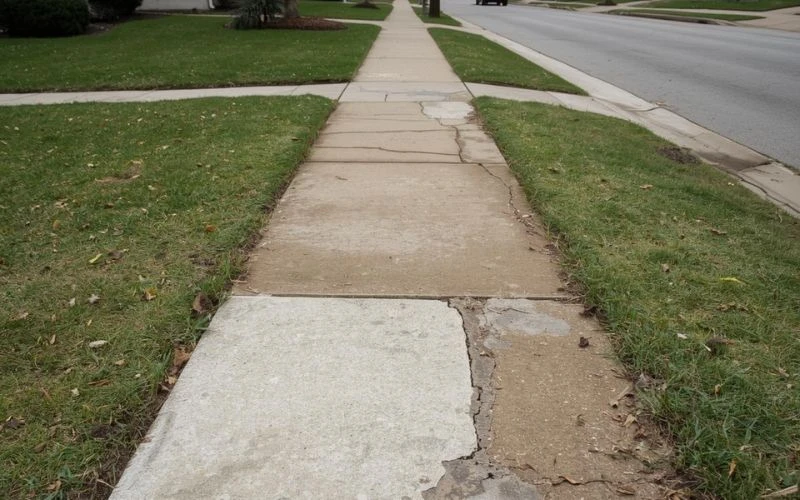

“Concrete doesn’t fail overnight—it whispers before it shouts.”
Across Australia, concrete surfaces on driveways, patios, and commercial areas face constant exposure to sun, rain, and fluctuating temperatures. Heavy rainfall and freeze–thaw cycles, especially in southern states, put extra pressure on surfaces. Meanwhile, improper drainage only makes things worse. Spalling—or the peeling and flaking of concrete—is more than just a cosmetic issue. It actually signals structural stress, moisture intrusion, and even potential rebar corrosion. In suburbs like Officer or Mulgrave, small defects can escalate quickly if left unchecked.
Concrete is meant to last decades. Yet studies suggest that many pavements in Australia show surface defects within the first 5–10 years due to environmental wear. Early detection and simple preventative steps go a long way in keeping surfaces strong.
What Is Concrete Spalling?
Think of spalling like a warning system. It happens when the surface layer of concrete chips, flakes, or peels away from the slab. Minor surface wear is one thing—but spalling signals deeper problems, such as:
- Moisture seeping into the slab
- Corroding steel reinforcement inside
- Poorly mixed or cured concrete
- Exposure to harsh chemicals
At the same time, ignoring spalling can compromise safety, especially on high-traffic driveways or footpaths.
Common Causes of Concrete Peeling
Concrete doesn’t just flake for no reason. The main culprits include:
- Corrosion of Reinforcement
Water reaching steel rebar expands as it rusts. This pressure cracks the surrounding concrete. Eventually, pieces start to flake off.
- Freeze–Thaw Cycles
Water trapped in the concrete freezes and expands. Repeated cycles weaken the surface. Over time, small cracks become serious flaking.
- Poor Concrete Mix or Installation
Excess water or low-quality materials make concrete porous and brittle. Bad curing only adds to the problem.
- Chemical Exposure
De-icing salts, sulfates, or industrial chemicals break down cement. This weakens the bond between aggregates and cement.
- Moisture and Drainage Problems
Surface water that can’t escape accelerates flaking. Poor grading or blocked drainage areas make it worse.
Signs That Concrete Needs Attention
How can one tell the difference between minor wear and real spalling? Look for:
- Chipped or flaking surfaces
- Rust stains or exposed rebar
- Pits or small holes
- Crumbling edges or uneven texture
These are red flags. If spotted early, repairs can be simpler and cheaper.
How to Prevent and Repair Spalling
An easy way to protect concrete is through quality materials and proper installation.
Prevention Tips
- High-Quality Mix and Proper Curing
Correct water–cement ratios and proper curing reduce weak spots.
- Surface Sealers
Silane, siloxane, or epoxy coatings stop water from seeping in.
- Proper Drainage
Correct slopes and redirection of water prevent buildup.
- Adequate Reinforcement Cover
Enough concrete over steel keeps moisture away and reduces flaking.
Repair Options
- Surface Patching with repair mortars
- Resurfacing using polymer-modified overlays
- Removing Damaged Sections and treating corroded rebar
- Epoxy Injection to fill cracks and restore strength
Professional Installation Matters
Interestingly, in fast-growing suburbs, local concrete contractors in Mulgrave help prevent surface damage from the very beginning. Proper mixing, careful pouring, and controlled curing make a real difference. This makes sense because even minor errors in slope or drainage can lead to cracking, moisture intrusion, and long-term deterioration.
At the same time, a strong focus on quality materials and correct installation reduces exposure to common stress factors such as water penetration, temperature changes, and everyday wear. When these risks are managed early, driveways, footpaths, and concrete slabs maintain their strength and appearance for years.
FAQs
Why does concrete flake or peel?
Moisture, freeze–thaw cycles, poor mix design, chemical exposure, and rebar corrosion are the main causes.
Can spalling affect structural integrity?
Yes. Minor flaking may be cosmetic, but extensive spalling weakens slabs and increases the risk of cracks or collapse.
What is the most reliable long-term solution?
Combining quality materials, proper installation, surface sealing, and drainage management gives the best long-term durability.
Conclusion
Concrete peeling and flaking are clear warnings of structural stress. Rusting rebar, poor mixes, and harsh environmental exposure all contribute. Early detection, proper drainage, quality materials, and professional installation can prevent long-term damage.
Using expert concrete services in Officer ensures durable surfaces for residential and commercial areas. At the same time, concreting Mulgrave solutions offer tailored strategies for local conditions. The result: strong, safe, and visually appealing concrete that stands the test of time.


























Sign in to leave a comment.