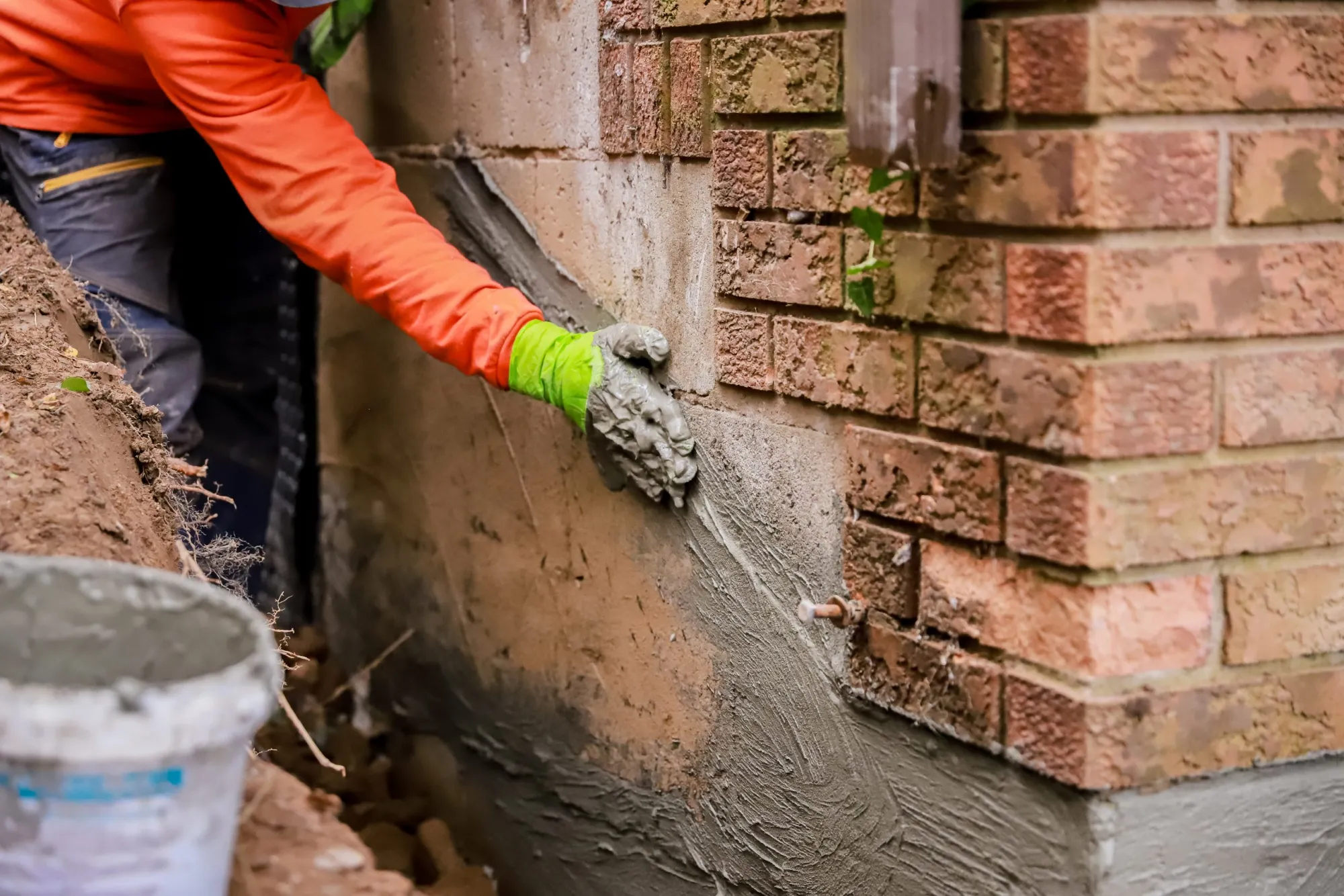

Foundation cracks can be more than a cosmetic concern. While some small cracks are harmless, others can point to drainage, soil, or structural problems that need attention. If you notice changes in your walls or floors, finding reliable foundation repair in Calgary can help you understand the cause and protect your home.
Why Do Foundation Cracks Happen?
A home’s foundation carries the weight of the entire structure, so it must remain stable as the soil beneath it changes. Several factors can cause movement and lead to visible cracks.
1. Soil Movement
Soil naturally expands and contracts when its moisture level changes. During wet periods, certain soils can absorb water and expand. When conditions become dry, the soil may shrink and leave gaps beneath parts of the foundation.
This uneven movement can create pressure on foundation walls and slabs. Over time, the stress may result in horizontal, vertical, or stair-step cracks.
2. Poor Drainage
Water is one of the most common contributors to foundation problems. If rainwater collects around your home instead of draining away, it can increase pressure against foundation walls.
Blocked gutters, damaged downspouts, improper grading, and inadequate drainage systems can all contribute to water accumulation. Keeping water away from the foundation can reduce unnecessary moisture-related stress.
3. Freeze-Thaw Conditions
Cold weather can affect the soil surrounding a foundation. When water in the soil freezes, it expands. As temperatures rise, the soil thaws and settles again. Repeated freeze-thaw cycles can place pressure on foundation walls and contribute to movement.
This is particularly important for homeowners in areas that experience significant seasonal temperature changes.
4. Foundation Settlement
Most homes experience some degree of settlement after construction. Minor settlement may not cause serious problems, but uneven or excessive settlement can create cracks.
Settlement can happen when soil beneath part of a foundation cannot adequately support the structure. You may notice cracks around windows and doors, uneven floors, or gaps between walls and ceilings along with foundation cracking.
5. Construction or Design Issues
Poor construction practices can also contribute to foundation cracks. Inadequate reinforcement, improper concrete mixing, insufficient curing, or unsuitable soil preparation can weaken a foundation.
Problems with waterproofing or drainage design may also allow moisture to affect the foundation over time. A professional assessment can help determine whether construction-related issues are contributing to the damage.
Which Foundation Cracks Need Attention?
Not every crack means your home has a serious structural problem. Thin vertical cracks may sometimes result from normal concrete shrinkage. However, cracks that grow wider, appear suddenly, or continue spreading deserve closer attention.
Horizontal cracks can be especially concerning when they appear alongside bowing or leaning foundation walls. Stair-step cracks in masonry may also indicate movement. If doors or windows suddenly become difficult to open, floors become uneven, or cracks repeatedly return after repairs, consider getting a professional inspection.
How Can Homeowners Reduce Foundation Problems?
Regular maintenance can help reduce the risk of foundation damage. Clean your gutters regularly and make sure downspouts direct water away from the house. Check the grading around your property and correct areas where water pools near foundation walls.
Inspect your basement and exterior foundation periodically. Look for new cracks, damp areas, peeling materials, or changes in existing cracks. Addressing drainage concerns early can help prevent minor problems from becoming expensive repairs.
If you need professional help, MarketLister.ca can make the search easier. The classified platform allows homeowners to post ads describing their needs or browse listings to find relevant local services. You can use MarketLister.ca to compare available service providers and explore options based on your requirements.
When Should You Contact a Professional?
A professional evaluation makes sense when cracks are growing, becoming wider, or appearing alongside other signs of movement. Persistent water intrusion, bowing walls, uneven floors, and significant settlement should not be ignored.
Searching for foundation repair through a classified platform can give homeowners another way to discover service providers and compare available listings. Before hiring anyone, review their experience, services, previous work, and customer feedback where available.
Final Thoughts
Foundation cracks can develop for many reasons, including soil movement, drainage problems, freeze-thaw cycles, settlement, and construction issues. The key is recognizing changes early and understanding when a crack deserves professional attention.
Regular inspections and good water management can help protect your foundation. When repairs become necessary, foundation repair in Calgary can be easier to research when you have access to multiple local service listings. MarketLister.ca provides a convenient place to post your requirements or find ads that match your needs.
FAQs
1. Are all foundation cracks serious?
No. Some minor cracks can result from normal concrete shrinkage. However, growing, wide, horizontal, or recurring cracks should receive professional attention.
2. Can poor drainage cause foundation cracks?
Yes. Water collecting around foundation walls can increase soil pressure and contribute to movement, moisture damage, and cracking.
3. How can I prevent foundation cracks?
Maintain gutters and downspouts, direct water away from your home, maintain proper grading, and inspect your foundation regularly for new signs of damage.
4. Should I repair a foundation crack myself?
Small cosmetic cracks may sometimes be addressed with suitable repair products. However, structural-looking or worsening cracks should be evaluated by a qualified professional before you attempt repairs.



























Sign in to leave a comment.