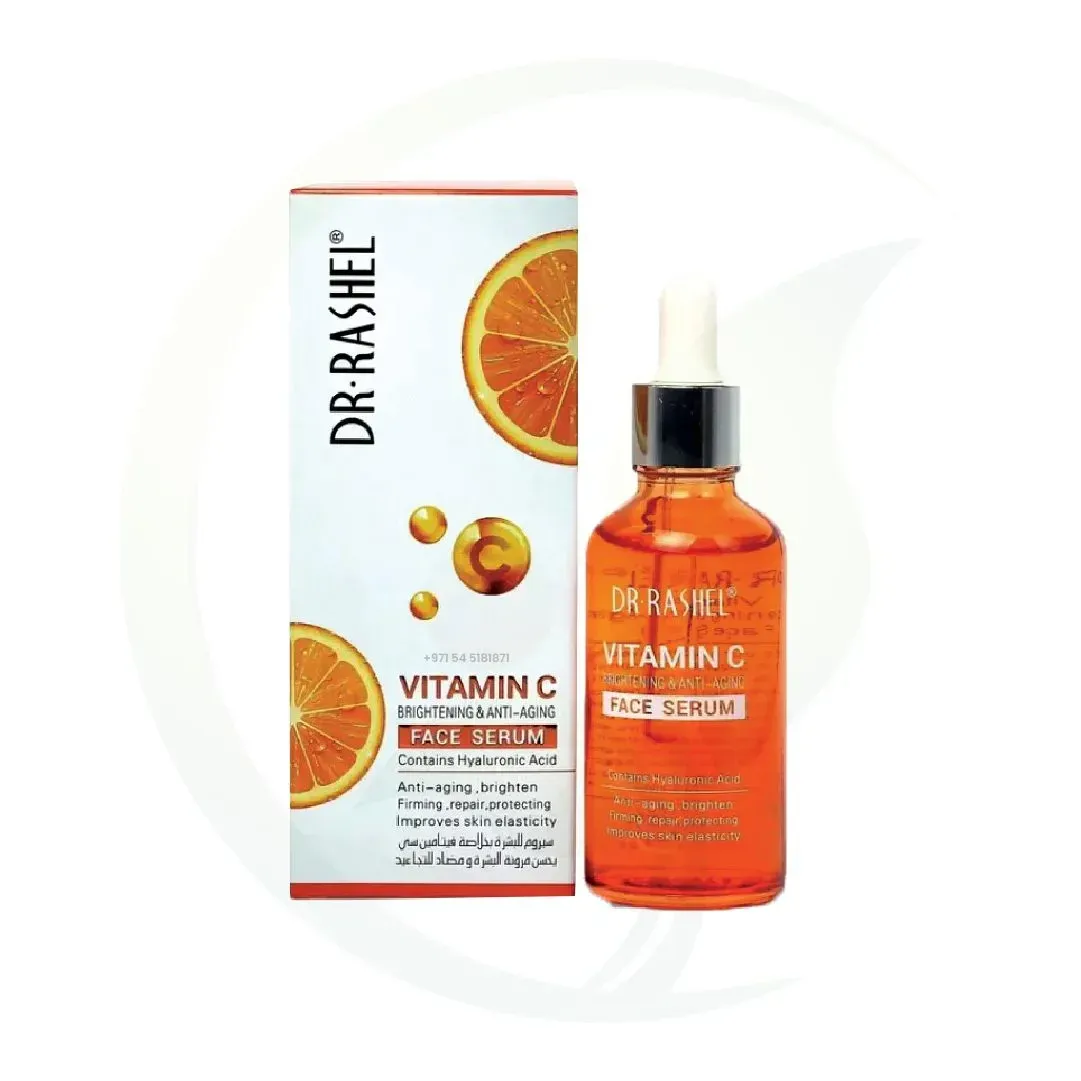

In the world of skincare, finding something that’s both cheap yet seriously effective can feel like trying to spot a quiet hidden gem in a crowded market. One product that’s been getting a lot of chatter in the beauty community is the Dr Rashel vitamin c serum. Dermatologists often stress that adding a topical antioxidant to your morning routine matters a lot, for tackling those environmental stressors, helping dark spots fade, and encouraging collagen to stay more on track. And yeah, the pricey medical-grade serums can come with a pretty heavy bill, so it makes sense that budget-friendly alternatives have created real curiosity. People keep asking the same question, can an option that’s easier on the wallet still give you that bright, clear complexion that higher-end formulas usually promise
When you actually look at what skin health specialists say about these more affordable versions, the takeaways are practical and kind of enlightening too. Learning how the ingredients work together helps you choose with intention, so you can match the results to your own skin identity rather than chasing a trend.
How Dermatologists Evaluate the Formula
If you want to know how the Dr Rashel Vitamin C Serum really works, skin specialists tend to focus more on the ingredient deck, not the loud marketing words. In this case, the key active is mainly 3-O-Ethyl Ascorbic Acid, which is the star of the whole thing.
Dermatology Insight: People compare it to pure L-ascorbic acid, because L-ascorbic acid is infamous for oxidizing rather fast, and then it turns brown after some exposure to light and air, so yeah it can get messy over time. But 3-O-Ethyl Ascorbic Acid is a more stable derivative. That stability usually means it won’t degrade super quickly sitting on your vanity and every time you open the cap. Also, it tends to feel gentler on the skin barrier. With very strong formulas, some folks get redness or a stinging kind of sensation , especially if their skin is sensitive, yet this derivative often helps people chase that brightening effect without the harsh drama.
On top of that, the formula includes Niacinamide (Vitamin B3) and Sodium Hyaluronate. Dermatologists like the pairing for a reason. Niacinamide is basically a skin-signal ingredient, helping cells communicate better in a way that supports barrier strength and can calm visible redness. Sodium Hyaluronate works like a moisture magnet, a humectant that pulls water deeper into the tissue. Put together, these ingredients create a sort of protective setting, so the antioxidant can perform better in the real world.
The Core Benefits: Brightening and Anti-Aging
When you’re showing someone how to use a topical antioxidant, most professionals talk about two big therapeutic routes, kinda like stopping the problem at the source, and also making the skin look more even over time. So yeah, it’s not only one lane, it’s more like a pairing.
1. Neutralizing Environmental Radicals
Every day your skin runs into ultraviolet, UV radiation from the sun and then all kinds of microscopic particles from city pollution. Together they create free radicals, those unstable molecules that quietly degrade your collagen scaffolding and speed up the visible signs of structural aging. If you use the serum in the morning, under your sunscreen, it basically becomes an extra barrier, and it helps neutralize free radicals before they can trigger cellular fatigue.
2. Regulating Melanin Overproduction
If you deal with post-inflammatory hyperpigmentation, you know, the darker spots that hang around after old breakouts, or sun spots too, then more targeted topicals can be the strongest support. This formula works by limiting the enzyme tyrosinase, which plays a role in producing dark pigment within the skin. When you apply it consistently for a few weeks, the stubborn discoloration often starts to fade, and you end up with a smoother, more even tone and a brighter kind of radiance.
Smart Application Strategies for Best Results
Pulling the very best out of your skincare spend really comes down to sequencing, plus how you actually use the products. With this serum, because it’s got that lightweight, kind of fluid feel, it should go on first after cleansing, before any thicker creams or facial oils , even if you think you “can” layer them later.
- First thing Step 1, Cleanse Thoroughly: Start your morning with a gentle cleanser that’s pH-balanced, so you clear away the sebum that built up overnight. Pat your face damp, don’t leave it totally bone-dry, it’s better if there’s a little bit of moisture still there.
- Step 2: Apply the Active Layer: Take about 3 to 4 drops and place them on your fingertips. Then press it lightly across your face and neck. Try not to rub , because pressing is gentler and helps keep that skin barrier calmer, less friction, more good.
- Step 3: Seal with Moisture: Give it roughly 60 seconds so the fluid can sink in , then follow with a non-comedogenic moisturizer to lock everything in and keep it comfortable.
- Step 4: Never Skip Sunscreen: This part is non negotiable. Antioxidants together with a broad-spectrum SPF 30+ act in a kind of team up way; the serum supports your sunscreen’s defenses, and the sunscreen stops UV rays from breaking down the active ingredients over time.
Managing Sensitivities and Expectations
Even though this formulation is worked out to stay quite approachable and reliable, skin care specialists keep saying, in a very real way, that you should use it with a calm, thoughtful mindset for any mass-market product.
Since everybodys biochemistry is not the same, it really matters to do a patch test before you spread a new active across your whole face. Apply a small dot on the inner forearm, or just below your jawline, and leave it there for 24 hours, so you can tell if there’s any allergic response to the added fragrance or the preservative system.
Also, patience tends to be a big deal in skincare. While the moisture components—glycerin, plus hyaluronic acid—often give an almost instant, plump looking effect in a couple of days, the deeper, structural shift does not happen that quickly. Dimming stubborn pigmentation and bringing better overall skin clarity depends on cellular turnover, and that can take about 28 to 45 days. If you keep going, you should start noticing genuine, trackable changes after four to six weeks of careful, everyday use.
Conclusion: Sourcing Authentic Skincare
Once you are ready to bring this powerhouse ingredient into your everyday flow, the place you get your products from really does matter a lot. The global beauty market is, unfortunately, crowded with fake items that either have no real active compounds in them , or worse still they are loaded with harmful contaminants.
So if you want the authentic dermatologist-discussed formula, you should stick with reputable, long-running wellness suppliers. For example, Herbal Dubai has built a steady name for sourcing genuine, high-grade skincare and holistic health products. When you put authorized distributors like Herbal Dubai first, you help guard your skin barrier against the problems caused by counterfeit look-alikes, and you make it far more likely that your daily regimen delivers the radiant, youthful, healthy glow you actually deserve.
Frequently Asked Questions
Can I use this serum if I have active acne?
Yes, you can use it, but with caution. The inclusion of Niacinamide in the formula is actually highly beneficial for acne-prone individuals because it regulates oil production and minimizes inflammation. However, if your skin barrier is broken, raw, or severely inflamed from purging, hold off on active serums until your base layer heals.
Should this product be kept in the refrigerator?
While the 3-O-Ethyl Ascorbic Acid used in this formula is significantly more stable than traditional vitamin C, storing your bottle in a cool, dark place away from direct sunlight and humidity is highly recommended. Refrigeration isn't strictly mandatory, but it can extend the shelf life and provide a refreshing, cooling sensation upon application.
Can I combine this product with retinol?
It is best not to layer them directly at the exact same moment. Retinol and vitamin derivatives operate best at entirely different skin pH levels. To prevent overwhelming your skin barrier and causing peeling, follow the classic dermatological split: use your antioxidant serum in the morning for environmental defense, and save your retinol for your evening routine to promote cell renewal.














Sign in to leave a comment.