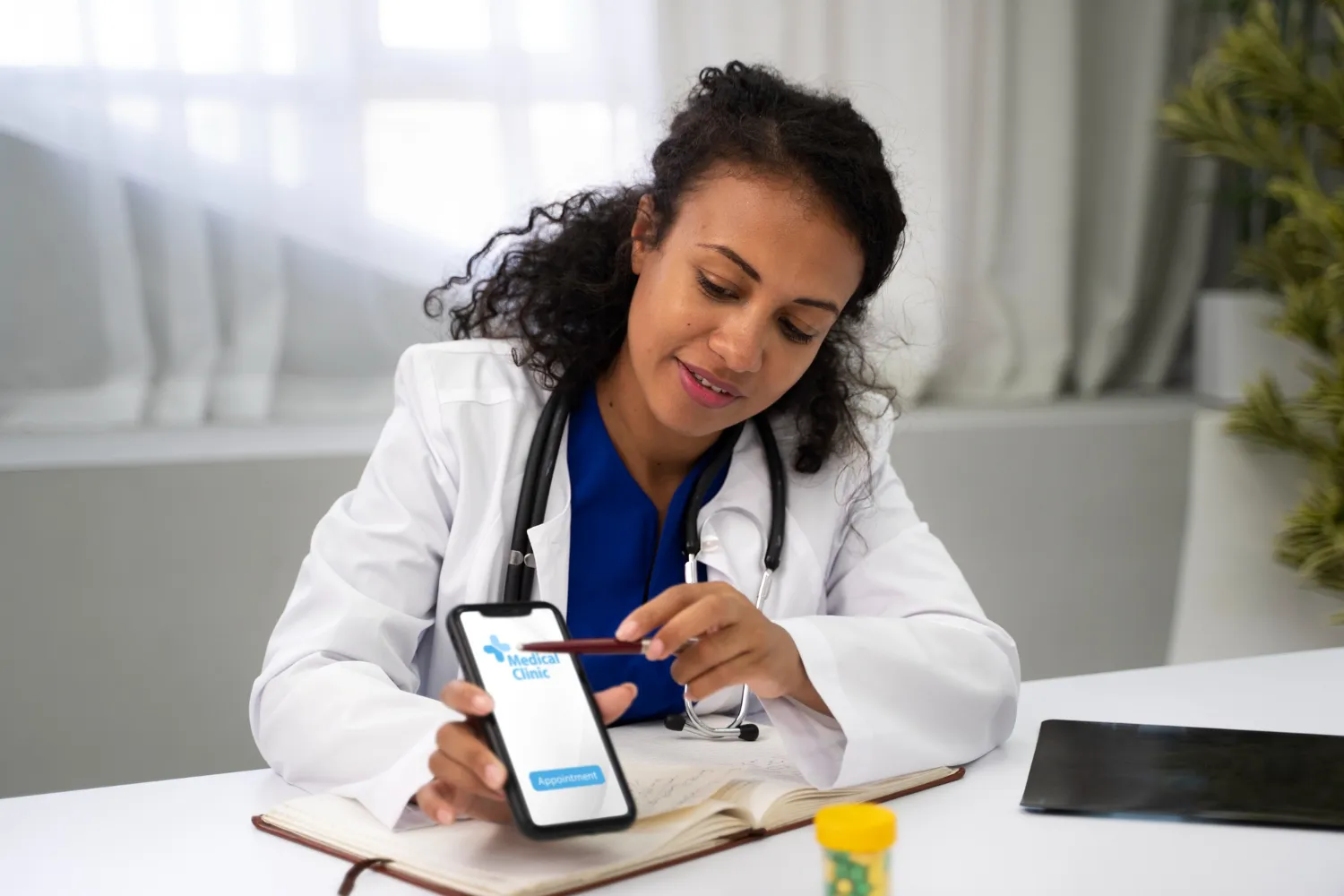

The healthcare industry is rapidly embracing digital transformation, and mobile and web applications are at the center of this shift. Behind these innovations are healthcare app developers—specialists who design, build, and maintain software solutions tailored specifically for the medical field.
If you're new to this space, this guide will help you understand what healthcare app developers do and why they are essential.
Who Are Healthcare App Developers?
Healthcare app developers are software professionals who create applications for healthcare organizations such as hospitals, clinics, startups, and telemedicine providers. Unlike general developers, they have expertise in medical workflows, data security standards, and regulatory compliance like HIPAA.
Their goal is to build apps that improve patient care, streamline operations, and ensure secure handling of sensitive health data.
Key Responsibilities of Healthcare App Developers
1. Building Custom Healthcare Applications
Developers create a wide range of applications, including:
- Telemedicine and virtual consultation apps
- Electronic Health Record (EHR) systems
- Appointment scheduling platforms
- Patient engagement and monitoring apps
Each solution is tailored to meet specific healthcare needs.
2. Ensuring Data Security and Compliance
Healthcare data is highly sensitive. Developers must implement strong security measures such as encryption, secure APIs, and authentication systems. They also ensure compliance with regulations like HIPAA and other regional healthcare standards.
3. Integrating Advanced Technologies
Modern healthcare apps often include:
- Artificial Intelligence (AI) for diagnosis and predictions
- Wearable device integration for real-time monitoring
- Cloud-based systems for data storage and accessibility
Developers ensure these technologies work seamlessly within the application.
4. Designing User-Friendly Interfaces
A healthcare app must be easy to use for both patients and medical professionals. Developers collaborate with UI/UX designers to create intuitive interfaces that simplify complex medical processes.
5. Testing and Maintenance
Before launching, apps go through rigorous testing to ensure reliability and accuracy. Even after deployment, developers provide continuous updates, bug fixes, and performance improvements.
Why Healthcare App Developers Are Important
Healthcare app developers play a critical role in improving the overall healthcare ecosystem. Their work helps:
- Enhance patient engagement and experience
- Reduce administrative workload
- Enable remote healthcare services
- Improve diagnosis and treatment accuracy
Without skilled developers, the digital transformation of healthcare would not be possible.
Skills Required for Healthcare App Developers
To succeed in this field, developers need a mix of technical and domain-specific skills:
- Proficiency in programming languages (Java, Swift, Python, etc.)
- Knowledge of healthcare regulations and compliance
- Experience with APIs and third-party integrations
- Understanding of medical workflows
- Strong focus on data security
How to Choose the Right Healthcare App Developers
If you're planning to build a healthcare app, consider the following:
- Experience in healthcare projects
- Knowledge of compliance standards
- Strong portfolio of successful apps
- Ability to provide end-to-end development services
Choosing the right team ensures your application is secure, scalable, and effective.
Conclusion
Healthcare app developers are the backbone of modern medical technology. From building telehealth platforms to ensuring data security, their role is vital in delivering efficient and patient-centric healthcare solutions.
As the demand for digital healthcare continues to grow, partnering with experienced healthcare app developers can help organizations stay ahead and deliver better outcomes in an increasingly competitive landscape.
























Sign in to leave a comment.