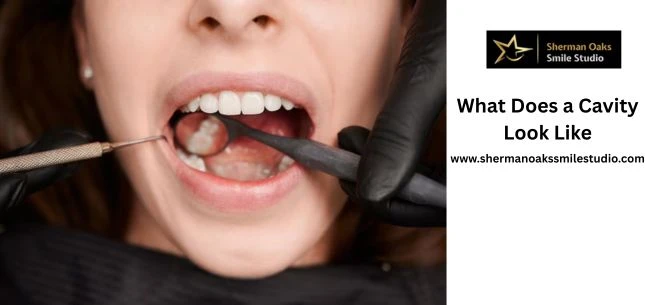

A cavity is one of the most common dental problems people experience. Many people have heard the word before, but they are not always sure what a cavity actually looks like. Understanding the early signs of a cavity can help you take action before the problem becomes worse.
Cavities do not always start with pain. In many cases, they begin as small changes in the tooth that are easy to miss. Learning how to recognize these changes can help protect your teeth and keep your smile healthy.
In this guide, we will explain what a cavity looks like, the signs you may notice, and when you should visit a dentist.
What Is a Cavity?
A cavity is a small hole or damaged area in a tooth. It happens when bacteria in the mouth slowly break down the surface of the tooth. Over time, the damage can create a hole that grows deeper if it is not treated.
Cavities can appear on any tooth and can happen to both children and adults. The earlier they are found, the easier they are to treat.
Dentists at Sherman Oaks Smile Studio often remind patients that early detection is the best way to protect teeth from serious damage.
Early Signs of a Cavity
In the early stage, a cavity may not be very noticeable. Many people do not feel pain right away. However, there are small signs that can show something is starting to change in the tooth.
White Spots on the Tooth
One of the earliest signs of a cavity is a chalky white spot on the surface of the tooth. This spot may look dull compared to the rest of the tooth.
These spots appear when the tooth begins to lose minerals. At this stage, the tooth may still be saved with good dental care.
Light Brown or Dark Spots
As the cavity grows, the color of the tooth may change. You may see light brown, dark brown, or even black spots on the tooth.
These spots often appear in areas where food and bacteria collect, such as between teeth or on the chewing surface.
Small Holes or Pits
A cavity can also look like a small hole in the tooth. These holes may be visible when you look closely in the mirror.
Sometimes the hole is small and hard to see, but a dentist can find it during a checkup.
What a Cavity Looks Like as It Gets Worse
If a cavity is not treated early, it can become larger and more noticeable. The tooth may start to show stronger signs of damage.
Larger Dark Areas
The dark spot may grow and spread across the tooth surface. This can make the tooth look stained or damaged.
Visible Tooth Damage
As the cavity grows deeper, part of the tooth may begin to break down. The surface can look rough or uneven.
Tooth Sensitivity
Although sensitivity is a feeling rather than something you see, it is often a sign that a cavity has grown deeper.
You may feel discomfort when eating hot, cold, or sweet foods.
Dental professionals at Sherman Oaks Smile Studio encourage patients to seek care as soon as they notice these changes.
Common Places Where Cavities Appear
Cavities do not appear in just one place. Some areas of the mouth are more likely to develop cavities because they collect more food and bacteria.
Between the Teeth
Food particles often get trapped between teeth. This area can be hard to clean if flossing is skipped.
On the Chewing Surface
The top of the back teeth has small grooves where food can settle. These grooves make it easier for cavities to form.
Near the Gum Line
Cavities can also appear where the tooth meets the gum. This area can collect plaque if brushing is not done properly.
Why Cavities Form
Cavities develop when several factors come together over time. The most common reasons include:
- Not brushing teeth regularly
- Skipping flossing
- Eating sugary foods often
- Drinking sweet drinks frequently
- Poor oral hygiene habits
When food and bacteria stay on the teeth, they form a sticky layer called plaque. This plaque slowly damages the tooth surface and leads to cavities.
Regular dental visits, like those offered at Sherman Oaks Smile Studio, can help detect these problems early.
How Dentists Find Cavities
Sometimes cavities are easy to see, but other times they are hidden between teeth or under the surface.
Dentists use several methods to find cavities, including:
- Visual examination of the teeth
- Dental tools to check soft areas
- X-rays to detect hidden damage
These checks help find cavities before they grow larger.
How Cavities Are Treated
The treatment for a cavity depends on how big it is.
Small Cavities
If a cavity is found early, the dentist may clean the damaged area and fill it with a safe dental material.
Larger Cavities
If the cavity becomes larger, more treatment may be needed to restore the tooth.
Severe Damage
In rare cases where the tooth is badly damaged, more advanced treatment may be required.
Dentists focus on saving the natural tooth whenever possible.
How to Prevent Cavities
The good news is that cavities are often preventable. Good daily habits can make a big difference.
Here are a few simple steps that help protect your teeth.
Brush Your Teeth Twice a Day
Brushing removes food particles and bacteria that can damage teeth.
Floss Daily
Flossing cleans the spaces between teeth where a toothbrush cannot reach.
Limit Sugary Foods
Sugary snacks and drinks feed bacteria in the mouth. Reducing sugar helps protect teeth.
Visit the Dentist Regularly
Routine dental checkups help detect cavities early before they become serious.
Dental professionals at Sherman Oaks Smile Studio recommend regular visits to maintain strong and healthy teeth.
When You Should See a Dentist
You should visit a dentist if you notice:
- Dark spots on a tooth
- A small hole in a tooth
- Tooth sensitivity
- Pain while eating or drinking
- Rough or damaged tooth surfaces
Early treatment can prevent further damage and keep your smile healthy.
Final Thoughts
So, what does a cavity look like? It can appear as white spots, dark stains, small holes, or rough areas on the tooth. In the early stage, cavities may not cause pain, which is why regular dental care is so important.
By paying attention to changes in your teeth and maintaining good oral hygiene, you can catch cavities early and prevent bigger dental problems.
If you notice any unusual spots or discomfort, visiting a trusted dental provider like Sherman Oaks Smile Studio can help ensure your teeth stay strong, healthy, and protected for years to come.






























Sign in to leave a comment.