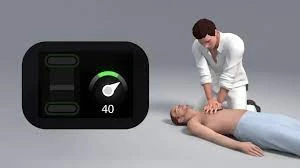

A chest compression feedback device is a specialized tool used in cardiopulmonary resuscitation (CPR) to provide real-time monitoring and feedback on the quality of chest compressions during cardiac arrest. This device plays a crucial role in ensuring the effectiveness of CPR and improving patient outcomes. In this article, we will explore the functions and benefits of a chest compression feedback device and discuss how it monitors various aspects of chest compressions.
"what does a chest compression feedback device monitor"
A chest compression feedback device is designed to assess and monitor several key parameters during CPR, including depth, rate, recoil, and hand position. These parameters are essential in delivering effective chest compressions that generate adequate blood flow and increase the chances of survival.
One of the primary functions of a chest compression feedback device is to measure the depth of each chest compression. The device provides real-time feedback to the rescuer, indicating whether they are achieving the recommended compression depth, usually around 2 to 2.4 inches (5 to 6 centimeters). This feature helps ensure that compressions are deep enough to generate sufficient blood flow to vital organs, such as the brain and heart.
In addition to depth, the device also monitors the compression rate. It provides feedback on the speed at which compressions are delivered, typically within the range of 100 to 120 compressions per minute. Maintaining an appropriate compression rate is crucial for optimizing blood flow during CPR and maximizing the chances of successful resuscitation.
Proper chest recoil, the complete release of pressure between compressions, is another critical aspect monitored by the feedback device. It prompts the rescuer to allow the chest to fully recoil after each compression. This facilitates the refilling of the heart with blood and enhances the effectiveness of subsequent compressions.
Hand position is another parameter closely monitored by a chest compression feedback device. It ensures that the rescuer's hands are positioned correctly on the sternum, allowing for optimal force distribution during compressions. Proper hand placement ensures that the force generated is directed to the heart, promoting effective circulation.
Some advanced chest compression feedback devices also provide additional features such as real-time visual or audio feedback, allowing rescuers to make immediate adjustments and improve the quality of their compressions. These devices may also incorporate sensors to measure other metrics, such as ventilation and the effectiveness of rescue breaths.
The monitoring capabilities of a chest compression feedback device are essential for several reasons. First and foremost, they assist in maintaining the quality and consistency of chest compressions during a high-stress situation like cardiac arrest. Rescuers can easily become fatigued or lose focus, compromising the effectiveness of compressions. The feedback device serves as a reliable guide, ensuring that compressions are delivered correctly and reducing the risk of rescuer fatigue.
Furthermore, a chest compression feedback device allows for standardized and evidence-based CPR. It helps implement guidelines and protocols established by professional organizations, such as the American Heart Association (AHA) and the European Resuscitation Council (ERC). These guidelines emphasize the importance of high-quality chest compressions in improving survival rates for individuals experiencing cardiac arrest.
Another benefit of a chest compression feedback device is its educational value. It can be used as a training tool for healthcare professionals, students, and individuals learning CPR. The real-time feedback provided by the device allows learners to practice and refine their technique, ensuring they are proficient in delivering effective chest compressions.
























Sign in to leave a comment.