

A Sunshine Coast roadworthy certificate checks 9 core safety systems including brakes, tyres, steering, suspension, and lights. It does not cover engine condition, air conditioning, or general wear. The check takes 30 to 60 minutes and the certificate remains valid for 2 months or 2,000km after issue.
Key Takeaways
- A roadworthy certificate in Queensland is officially called a safety certificate and covers 9 safety-critical systems
- The check does not assess engine condition, air conditioning, or overall mechanical reliability
- Certificates are valid for 2 months or 2,000km and can only be used for one registration transfer
- Preparing your vehicle before the check reduces the risk of failure and avoids repeat call-out fees
What Is a Roadworthy Certificate in Sunshine Coast?
A roadworthy certificate in Sunshine Coast is officially called a safety certificate. It is a legal document issued by a licensed Approved Inspection Station confirming that a vehicle meets the minimum safety standards set by Transport and Main Roads. You need one when selling a registered vehicle, re-registering an unregistered vehicle, or clearing a vehicle defect notice.
On the Sunshine Coast, safety certificates are issued by licensed mechanics at fixed workshops or through mobile roadworthy services that come to your location. The certificate confirms your vehicle is safe to drive on Queensland roads but does not assess overall condition, mechanical reliability, or market value beyond the specific safety items on the checklist.
A safety certificate is valid for 2 months or 2,000km from the date of issue, whichever comes first. It can only be used for one registration transfer. If the sale falls through and the certificate expires, a new check is required before the vehicle can be transferred to a new owner.
What Does a Roadworthy Certificate Actually Check?
The Transport and Main Roads checklist covers the safety-critical components of your vehicle. Assessors work through a structured list focused entirely on parts that affect the safe operation of the vehicle on public roads. The following items are checked on every vehicle regardless of age, make, or model.
Core Safety Items Checked:
- Brakes: pad thickness, fluid condition, handbrake operation, and brake balance across all wheels
- Tyres and wheels: tread depth (minimum 1.5mm), tyre condition, sidewall integrity, and rim damage
- Steering and suspension: play in the steering wheel, shock absorber condition, and ball joint wear
- Lights: headlights, tail lights, brake lights, indicators, and reversing lights must all function correctly
Assessors also check seatbelts for fraying, correct operation, and secure mounting points. Windscreens are assessed for cracks or chips within the driver's line of vision. Mirrors must be intact, correctly positioned, and provide adequate rear vision. The horn must be functional and audible from outside the vehicle.
Additional Items Inspected:
- Body and structure: doors must open and close securely with no sharp edges that could cause injury
- Windscreen wipers: must clear the driver's field of vision effectively across the full wipe range
- Fuel system: no visible leaks from the tank, fuel lines, or filler cap connections
- Engine mounts and exhaust: secure mounting and no dangerous exhaust leaks directed into the cabin
What Does a Roadworthy NOT Cover?
One of the most common misconceptions about a roadworthy certificate sunshine coast is that it guarantees the vehicle is in good mechanical condition. It does not. The check is limited strictly to the safety items listed on the Queensland checklist and says nothing about the vehicle's overall reliability or remaining service life.
Items not covered include engine condition and oil leaks that do not pose an immediate safety risk, air conditioning, power windows and central locking, the condition of paint or bodywork beyond safety concerns, odometer accuracy, and entertainment or navigation systems. A vehicle can pass a roadworthy check and still have significant mechanical problems.
This distinction matters for used car buyers on the Sunshine Coast. A valid safety certificate does not replace a pre-purchase inspection by a qualified mechanic. If you are buying a used vehicle, always arrange a separate mechanical assessment in addition to confirming the roadworthy certificate is current.
How Long Does a Roadworthy Check Take on the Sunshine Coast?
A standard passenger vehicle roadworthy check on the Sunshine Coast takes between 30 and 60 minutes. The actual duration depends on the vehicle type, the number of items requiring closer examination, and whether any faults are identified during the assessment that need documenting.
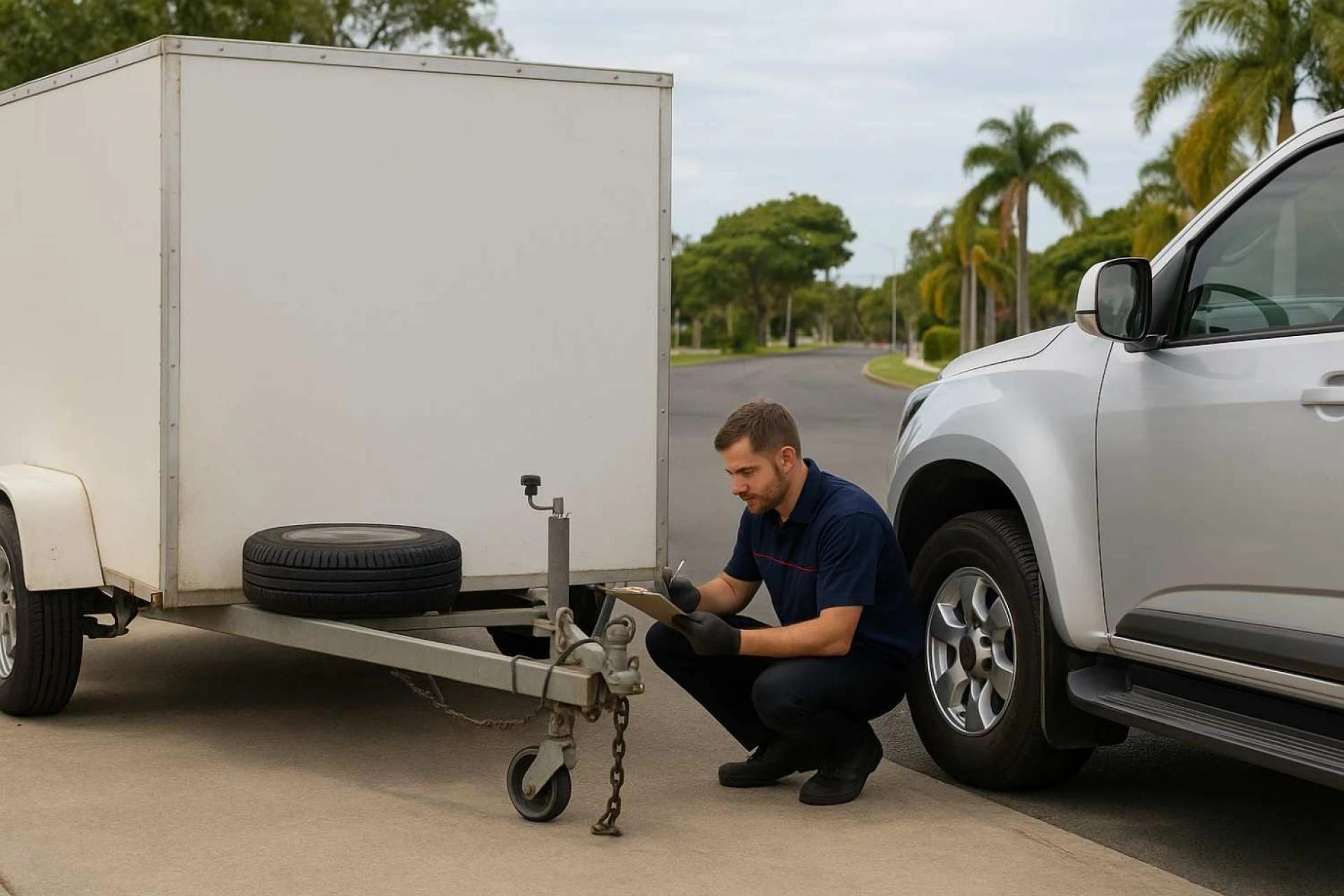
Motorcycles typically take 30 to 45 minutes. Trailers and caravans can take up to 90 minutes, particularly when a gas compliance certificate is also required for caravans with fixed gas installations. Mobile roadworthy services carry out the full check at your location, which removes the need for any travel time on your part.
How to Prepare Your Vehicle Before the Check?
Preparing your vehicle before the roadworthy check reduces the chance of a failed certificate and avoids the cost of a re-check. Most failures on the Sunshine Coast involve items that are inexpensive and straightforward to fix before the assessment is booked.
Check all lights are working, including brake lights and indicators. Inspect your tyre tread depth and look for sidewall damage. Replace any wiper blades that smear or skip. Test your horn. Examine the windscreen for chips or cracks within the driver's line of sight. These checks take under 30 minutes and can prevent a failed certificate entirely.
If you know your vehicle has worn brake pads, a damaged windscreen, or suspension concerns, arrange repairs before booking the check. Booking a roadworthy on a vehicle with known faults results in a failed certificate and an additional re-check fee when the assessor returns to verify the repairs.
Conclusion
A roadworthy certificate on the Sunshine Coast checks 9 safety-critical systems to confirm your vehicle meets Queensland's minimum road safety standards. It does not assess overall mechanical condition, which is why a separate pre-purchase inspection remains important for used car buyers. Understanding exactly what the check covers and what it excludes helps you prepare your vehicle correctly, avoid failed certificates, and save on repeat booking costs. At Totally Mobile Roadworthy, we make the inspection process simple and convenient by bringing certified mobile roadworthy services directly to your location across the Sunshine Coast.
FAQs
Q-1: What is checked in a roadworthy on the Sunshine Coast?
A Sunshine Coast roadworthy checks brakes, tyres, steering, suspension, lights, seatbelts, windscreen, mirrors, horn, body structure, wipers, fuel system, and exhaust mounting. The check covers 9 core safety systems under the Queensland Transport and Main Roads checklist. Items not assessed include engine condition, air conditioning, and general vehicle wear or cosmetic issues.
Q-2: How much does a roadworthy certificate cost on the Sunshine Coast?
A roadworthy certificate on the Sunshine Coast typically costs $80 to $130 at a workshop and $130 to $180 for a mobile service that comes to your location. Prices vary by provider and vehicle type. Motorcycles and trailers may be priced differently from standard passenger vehicles, so confirm the fee when making your booking.
Q-3: How long is a roadworthy certificate valid in Queensland?
A Queensland safety certificate is valid for 2 months or 2,000km from the date of issue, whichever comes first. It can only be used for one vehicle registration transfer. If the certificate expires before the transfer is completed, a new roadworthy check is required before the sale can legally proceed.
Q-4: What happens if my vehicle fails the roadworthy check?
If your vehicle fails, the assessor provides a written list of items requiring repair before the certificate can be issued. You arrange the repairs through a mechanic of your choice, then book a re-check. Some providers offer a reduced re-check fee if the same assessor returns within a set timeframe. A failed check does not attract penalty fines.
Q-5: Can I get a roadworthy certificate at home on the Sunshine Coast?
Yes. Mobile roadworthy services across the Sunshine Coast come to your home, workplace, or any agreed location and carry out the full Queensland safety check on site. The certificate issued is identical to one from a fixed workshop. Mobile services cover suburbs including Maroochydore, Caloundra, Noosa, Buderim, and Nambour.


























Sign in to leave a comment.