

When travelers book a hotel, one of the first things they notice is its star rating. Whether it’s a cozy two-star inn or a luxurious five-star resort, these ratings serve as a quick guide to the property’s quality, amenities, and service standards. But what exactly determines how many stars a hotel receives? The answer isn’t as simple as it might seem. Hotel rating systems differ widely across the globe, shaped by local tourism boards, independent organizations, and cultural expectations.
In this article, we’ll explore the key factors that influence hotel star ratings worldwide, uncover how they vary from country to country, and explain why travelers should look beyond the stars to find their ideal stay.
1. Understanding the Concept of Hotel Star Ratings
Hotel star ratings are designed to provide travelers with a standardized way to assess a property’s overall quality. In theory, a higher number of stars indicates a higher level of luxury, comfort, and service. A one-star hotel typically offers basic accommodations, while a five-star property promises premium experiences, elegant design, and extensive amenities.
However, there’s no single global authority that defines hotel ratings. Instead, different countries and travel organizations—like AAA in the U.S., VisitBritain in the U.K., and the Ministry of Tourism in India—have their own criteria. As a result, a four-star hotel in France might not be equivalent to a four-star hotel in Japan or India.
2. Key Factors That Determine Star Ratings
While specific criteria vary, most hotel rating systems evaluate similar categories. Let’s break down the major factors that influence a hotel’s star rating worldwide.
a) Quality of Accommodation and Room Features
The foundation of any hotel rating lies in the quality of its rooms. Inspectors assess room size, furnishings, lighting, comfort of the beds, and availability of modern conveniences. High-end hotels are expected to feature spacious rooms, luxury bedding, premium furniture, and well-designed interiors.
For example, a Luxury Hotel in Amritsar showcases elegantly designed rooms with contemporary decor, plush bedding, and state-of-the-art amenities—all hallmarks of a higher star category.
b) Service Standards and Staff Professionalism
The human touch plays a significant role in determining hotel ratings. Inspectors evaluate how attentive, courteous, and efficient the staff are. Services such as 24-hour reception, concierge assistance, multilingual staff, and prompt room service contribute positively to a hotel’s star rating.
Five-star establishments go above and beyond by offering personalized services like butlers, valet parking, and curated guest experiences, reflecting the highest standards of hospitality.
c) Amenities and Facilities
From swimming pools and fitness centers to spas and business lounges, a hotel’s facilities have a direct impact on its rating. The more extensive and high-quality these offerings are, the higher the rating tends to be.
For instance, a four- or five-star property may include multiple dining options, conference rooms, rooftop lounges, and recreational spaces designed to enhance guest comfort and leisure.
d) Food and Beverage Quality
Dining options are another crucial factor. The presence of gourmet restaurants, buffet spreads, bars, and 24-hour room service influences the star rating significantly. The food’s quality, presentation, variety, and service style are all carefully evaluated.
Travelers looking to experience culinary excellence often seek out hotels with highly rated in-house restaurants. The Best Restaurant in Amritsar at Ramada Encore Amritsar Airport, for instance, offers a sophisticated dining experience that combines global flavors with local Punjabi delicacies, reflecting the standards expected of a premium-rated hotel.
e) Cleanliness and Maintenance
Cleanliness is non-negotiable in the hospitality industry. From the lobby to the bathrooms, every corner of the property is assessed for hygiene, upkeep, and maintenance standards. Regular cleaning schedules, modern sanitation facilities, and well-maintained public areas all contribute to higher ratings.
f) Safety and Security
Safety measures have become increasingly important in determining hotel ratings. Properties must comply with fire safety regulations, provide secure access control, and ensure the safety of guests and their belongings. Higher-rated hotels often feature advanced surveillance systems, in-room safes, and on-site security personnel.
g) Guest Experience and Reviews
In today’s digital age, guest reviews carry tremendous weight. Many modern rating systems incorporate guest feedback into their assessments. Online platforms such as TripAdvisor, Booking.com, and Google Reviews allow travelers to share their experiences publicly, which helps maintain transparency and influences future ratings.
A hotel with consistent positive feedback, personalized service, and strong customer satisfaction will naturally command a higher reputation and often a better star classification.
3. Regional Variations in Rating Systems
It’s important to understand that the same number of stars doesn’t always mean the same thing worldwide. Here are some regional examples:
- Europe: The Hotelstars Union standardizes ratings across 17 European countries. Ratings depend on over 270 criteria, including reception hours, breakfast options, and sustainability measures.
- United States: The AAA Diamond Rating System evaluates hotels based on comfort, cleanliness, and hospitality, while Forbes Travel Guide uses anonymous professional inspections.
- Asia: Countries like India and Thailand use government-led rating systems through their tourism ministries, ensuring consistency across domestic properties.
- Middle East: In regions like Dubai, lavishness and opulence dominate; six- and seven-star designations sometimes exist unofficially to denote ultra-luxury experiences.
These differences highlight that star ratings are not always directly comparable across borders. Travelers should therefore use them as guidelines rather than absolute indicators.
4. The Role of Technology and Sustainability
Modern hotel ratings also consider a property’s technological features and sustainability practices. High-speed Wi-Fi, smart-room controls, digital check-ins, and energy-efficient systems are increasingly important.
Sustainability initiatives—such as solar energy use, waste management, and eco-friendly materials—now play a major role in achieving top-tier status. Environmentally conscious travelers value properties that align with global green standards, influencing how new rating models evolve.
5. The Experience Factor: Beyond the Stars
Ultimately, a hotel’s star rating offers a helpful benchmark—but the experience defines a guest’s perception. A three-star hotel with exceptional service may leave a more lasting impression than a five-star property that lacks warmth.
The best hotels combine technical excellence with genuine hospitality, ensuring guests feel valued, comfortable, and cared for. This emotional connection is what transforms an ordinary stay into an unforgettable one.
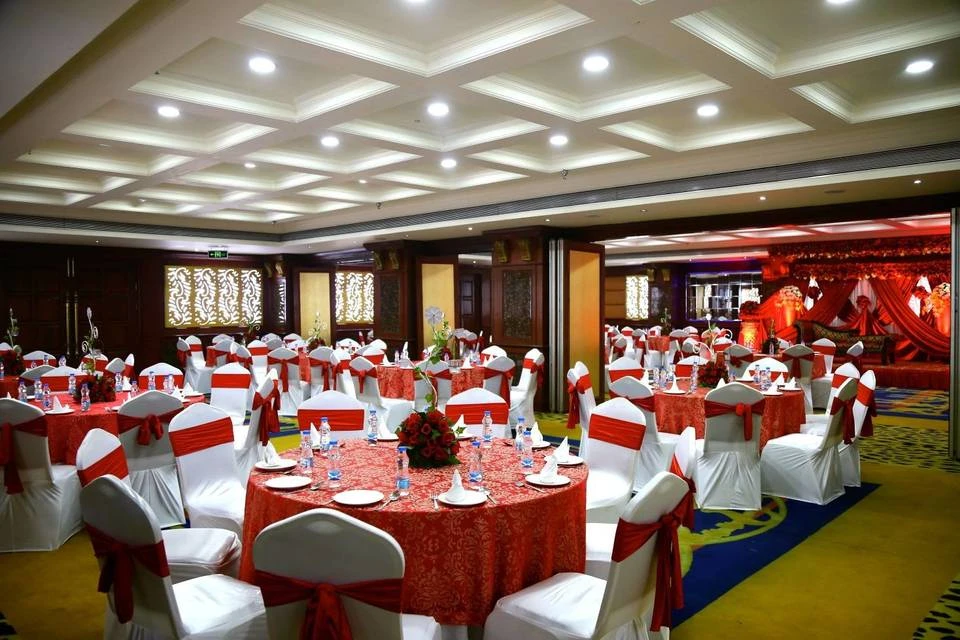
For special occasions like weddings or family celebrations, choosing the right venue becomes even more crucial. The Best Wedding Hotel at Ramada Encore Amritsar Airport offers elegant event spaces, customized catering, and attentive planning services—epitomizing what a top-rated property can offer beyond accommodations.
Conclusion
Hotel star ratings remain a valuable tool for travelers, offering an overview of what to expect in terms of comfort, amenities, and service. However, these ratings vary by region and are influenced by numerous factors—from room quality and food standards to safety, sustainability, and technology.


































Sign in to leave a comment.