
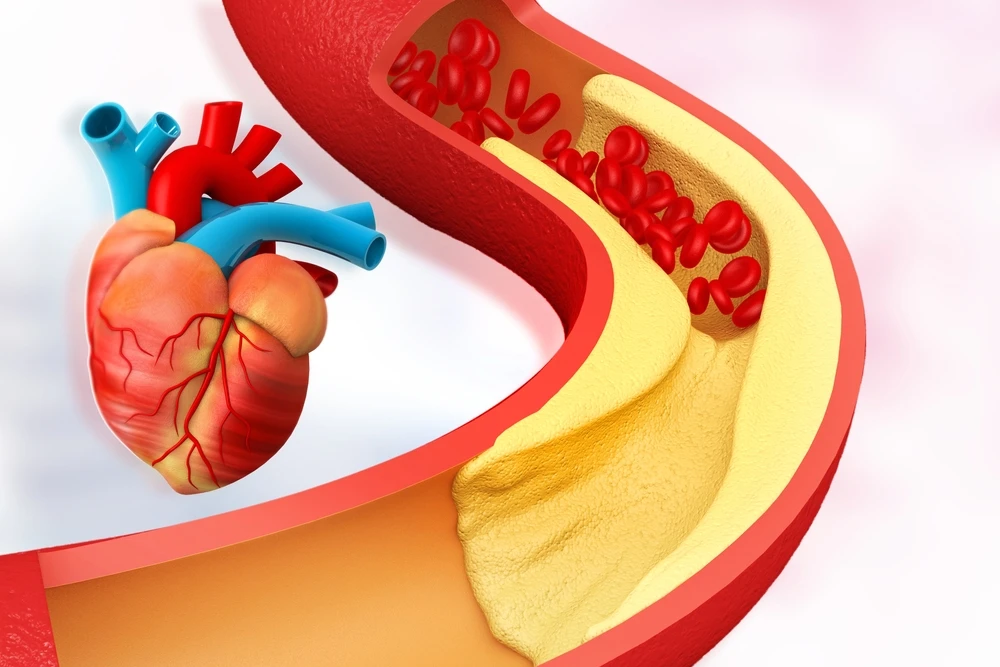
The initial reactions in the family when one of them is diagnosed with heart blockage are usually fear and confusion. Terms like “bypass surgery” and “angioplasty” pop to mind, bringing in their wake fears about risks, recovery time, and money. However, in the past few years, non-invasive heart treatment has been presenting a way of difference, which is EECP treatment for heart blockage.
But for many families, the real struggle isn’t understanding what EECP is — it’s trying to figure out if it’s the right option, and if so, when. Below is a closer look at EECP through the eyes of what families really want to know: Is it safe, does it work, is it intrusive, and how do I make a decision?
What Is EECP?
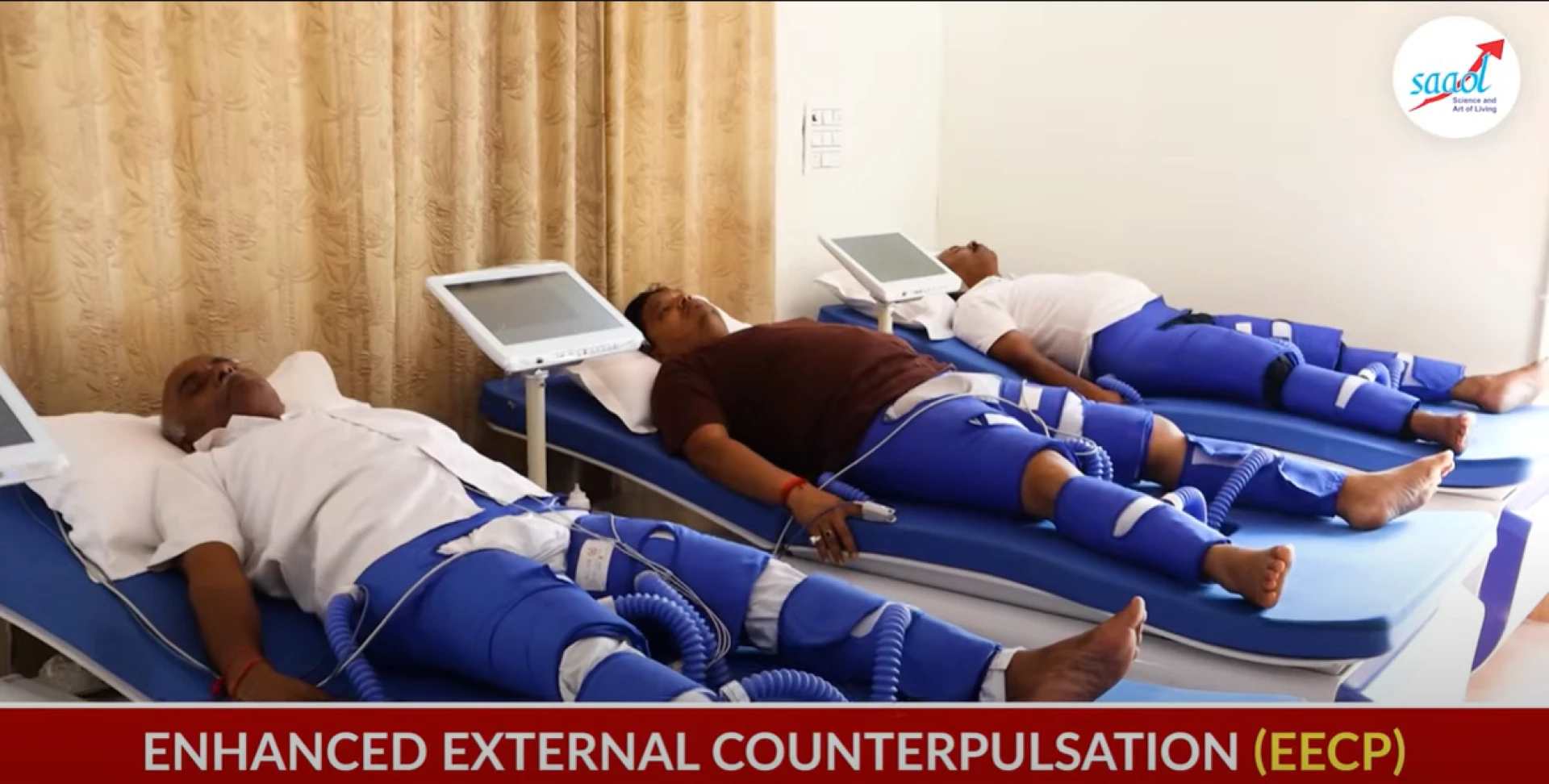
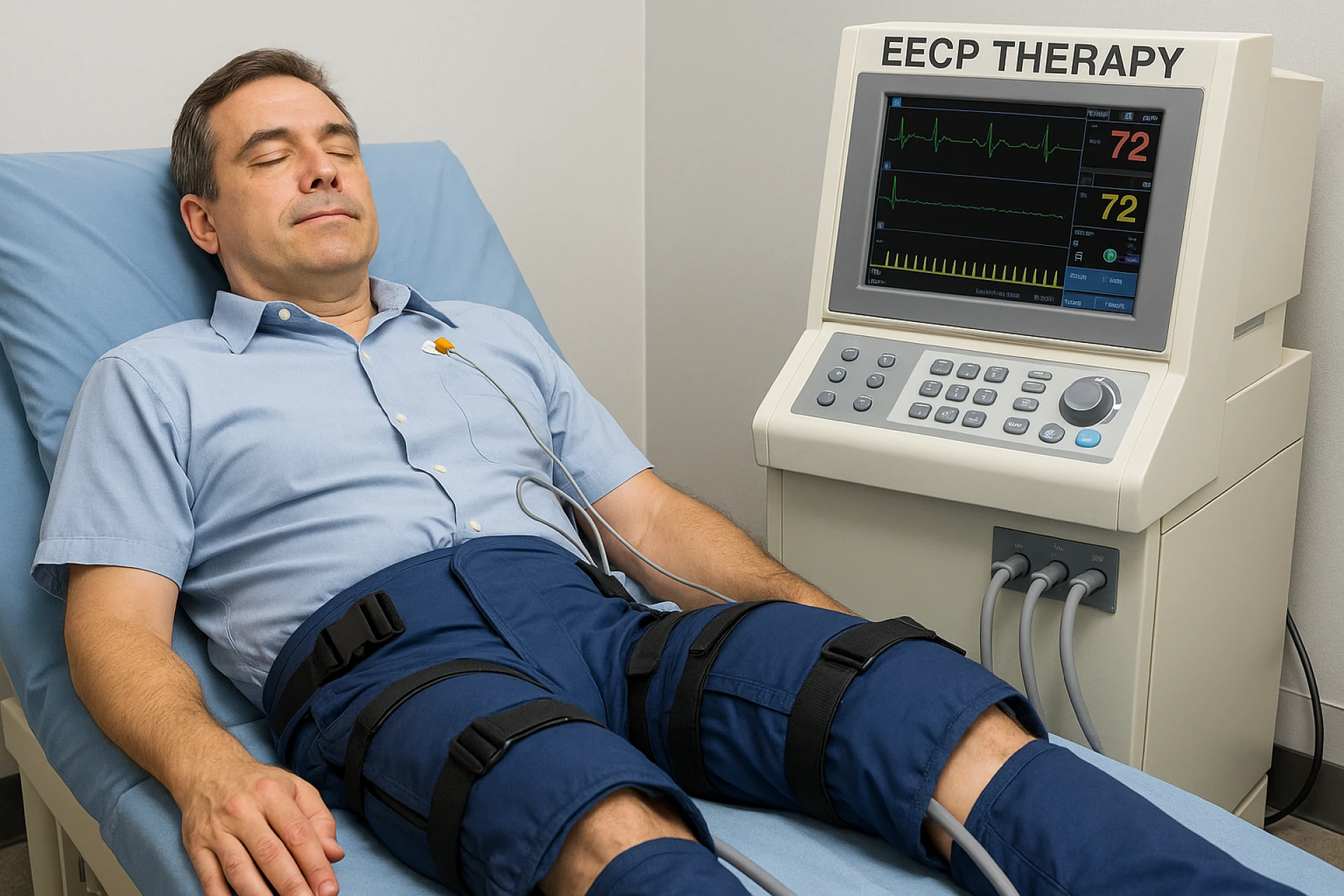
EECP full form stands for Enhanced External Counterpulsation. It is a nonsurgical treatment that opens the arteries that feed the heart. It requires cuffs (like big blood pressure cuffs) to be placed on the legs. These cuffs inflate and deflate with each heartbeat, helping to better direct blood flow to the coronary arteries.
Unlike surgery, EECP requires no cutting, stents, or anesthesia. For people with heart blockages who aren’t great candidates for bypass or angioplasty or for those who don’t want them, it can provide relief from chest pain (angina) and improve quality of life.
But the burning question for families is: How safe is it? How effective is it? So what happens when the sessions are over?
Why Families Play a Central Role in the Decision
When someone is diagnosed with a heart blockage, the diagnosis does not just impact the person, but the entire family. In reality, there are some instances in which families take on the role of:
- Navigating treatment options and medical jargon.
- Weighing safety vs. risk when surgery is recommended.
- Thinking about the cost of long-term care.
- Supporting and comforting people in treatment and recovery.
Since EECP is a treatment that demands a long-term commitment over several weeks (generally 40 treatments, one hour each day), family support is crucial. Many patients feel that they have completed the full treatment course due to their spouses’, children’s, or siblings’ encouragement.
The Research on EECP That Families Must Be Aware of
EECP emulates the natural bypass. By helping to pump more blood through the coronary arteries, it stimulates the development of small new blood vessels (collateral circulation). These function as the body’s own bypass roads for clogged arteries.
Unlike angioplasty or bypass surgery, EECP does not physically remove the blockage. Rather, it increases blood flow, which may decrease angina, increase exercise capacity, and minimize fatigue.
The benefit could last from three to five years, research has suggested, particularly if other lifestyle changes such as diet, exercise, and stress management are made simultaneously.
For families, the key is that EECP is not a magic bullet, but it can ease symptoms, reduce trips to the hospital and increase day-to-day activities.
How can families weigh the risks?
Safety is often the first concern that crosses your mind when you think of EECP therapy for heart blockage. Families wonder: Is it safe for my father, my mother, my spouse?
Here’s what experts and evidence say:
- Low risk profile: EECP is FDA-approved and has been used around the world for many years with minimal side effects.
- Who should not get EECP: People with severe valve disease, uncontrolled high blood pressure, a history of bleeding disorders, or certain types of arrhythmia may not be candidates. A cardiologist must screen carefully.
- Side effects: Minor problems such as skin irritation on the legs, muscle aches, or fatigue are common, but serious side effects are very rare.
- Families can be reassured that the risks are far lower than for bypass surgery.
What Families Should Plan For
Time Commitment
The typical EECP treatment program consists of 40, one-hour sessions, given on a daily basis over a few weeks. There's transportation, schedule setting, and care for the patient that the families need to organize.
Financial Costs
EECP is typically less expensive than bypass surgery or angioplasty, but expenses can still add up depending on geographic area and facility. Families should inquire about packages, follow-up care, and insurance coverage.
Lifestyle Alignment
The best results with EECP are when it is used in association with zero oil cooking exercises, yoga, and stress management. Families contribute to creating a supportive home environment.
Long-Term Expectations
EECP doesn’t necessarily remove blockages, but it can help with symptoms. Families need to be realistic about it and not see it as a “quick fix.”
Key Questions Families Should Ask the Doctor
Before undergoing EECP, families should have a list of questions:
- Is my loved one an ideal candidate for EECP?
- How does it compare to angioplasty or bypass in this specific case?
- What benefits should we realistically expect?
- Are there any risks for existing conditions like diabetes, kidney issues, or high BP?
- What lifestyle changes should we make at home to maximize results?
Last Word: Families Are a Part of Going on a Healing Journey
When it’s time for EECP treatment for heart blockage, the patient is in the treatment chair while the family is in the decision-making chair. The best results typically occur when families, having educated themselves, ask the key questions and offer steady support.
EECP is more than a treatment — it’s a healing process that takes faith, time, and dedication. It is hope, for many families: hope of avoiding bypass surgery, hope of restoring quality of life, hope of precious time together.
Conclusion
Reflections on hope and reality by families trying out EECP treatment for heart blockage. The treatment is safe, based on evidence, and effective in decreasing angina and enhancing quality of life in many cases. But as important its success is, the support system at home and the doctor who prescribes it also matters.
By learning to ask the right questions, set expectations, offer, and commit to lifestyle change, families can make EECP go beyond a treatment choice.



























Sign in to leave a comment.