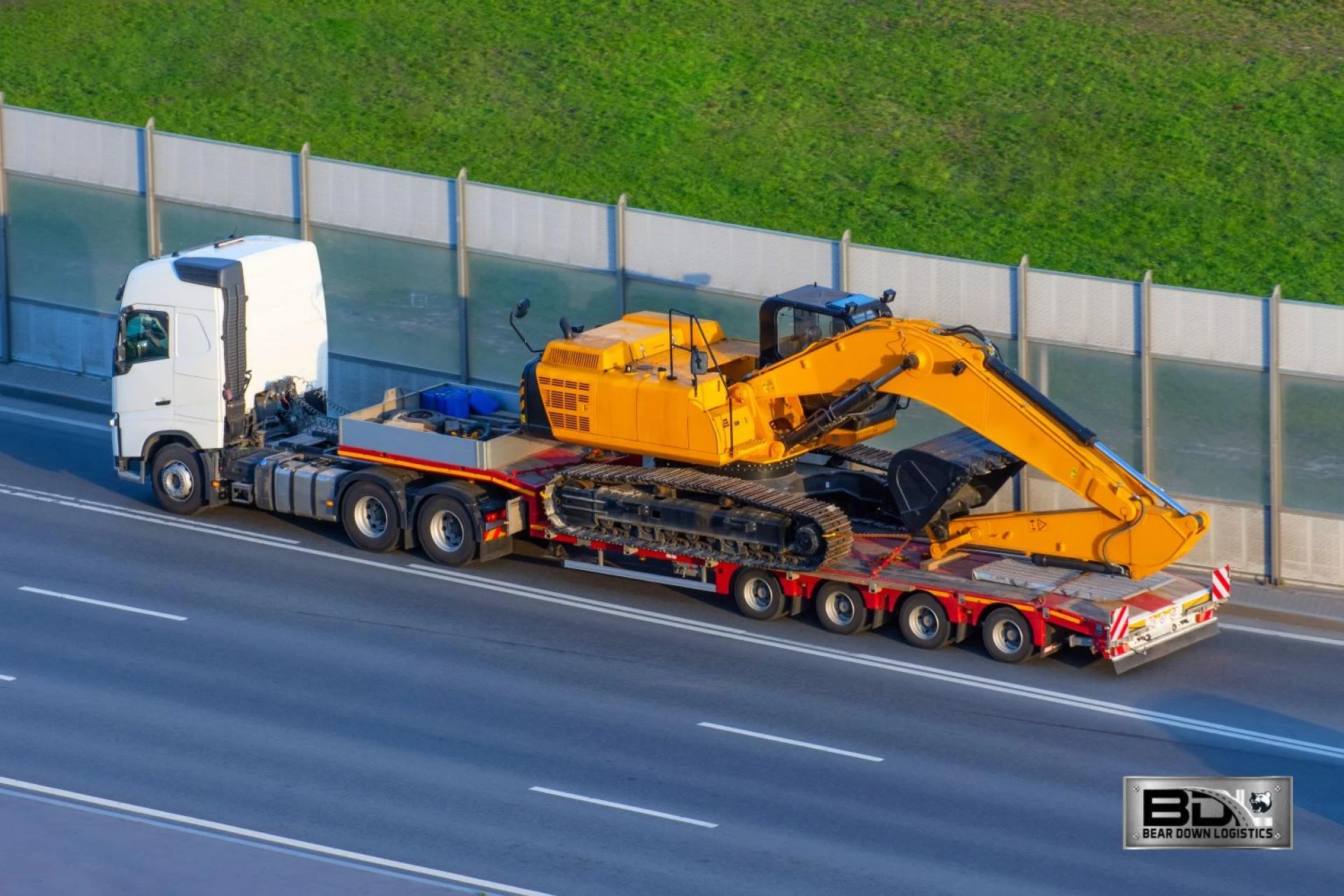

The construction industry thrives on reliability, power, and adaptability. Among the most essential machines on any worksite is the wheel loader, a versatile tool for handling materials and streamlining heavy-duty operations. When evaluating modern equipment, understanding what separates a good machine from an average one is critical. Companies like Bear Down Logistic recognize that choosing the right construction equipment wheel loader is not just about power, but also about the balance of features that support efficiency, safety, and long-term productivity.
The Importance of Wheel Loaders in Today’s Projects
Wheel loaders serve as multipurpose machines across diverse industries, from urban development to large-scale infrastructure. Their primary role is material handling, but their functionality extends far beyond moving soil or gravel. A modern wheel loader must meet the demands of increasingly complex worksites, ensuring faster cycle times, precise operation, and adaptability to different attachments. Contractors and project managers expect a single piece of equipment to handle multiple responsibilities, making design and performance features more important than ever.
Performance and Power Capabilities
A defining feature of a good wheel loader lies in its powertrain and engine efficiency. Strong horsepower and torque allow the machine to lift heavy materials without compromising speed. Smooth acceleration and responsive hydraulics are equally important, ensuring operators can handle tasks quickly while maintaining precision. The balance between raw power and controlled performance enables wheel loaders to perform across a wide spectrum of job requirements, from moving aggregates to loading trucks.
Operational Efficiency and Cycle Times
Efficiency is a core expectation on every project site. A wheel loader’s ability to complete loading, carrying, and dumping cycles quickly translates into greater productivity. Good loaders are engineered with optimized cycle times, reducing delays between tasks and allowing crews to stay on schedule. Improved fuel efficiency, even under heavy loads, further enhances operational output. This combination of speed and endurance defines the true capability of a modern machine.
Operator Comfort and Control
A productive wheel loader is only as effective as the person operating it. Modern equipment places significant emphasis on operator comfort, recognizing that long hours in the cab require ergonomic design. Features such as adjustable seating, intuitive control layouts, climate control, and reduced noise levels improve the working environment. Advanced control systems and visibility enhancements ensure operators have full command over the machine, minimizing fatigue and boosting performance.
Adaptability Through Attachments
Wheel loaders are most valuable when they can transition seamlessly between different tasks. The ability to use a variety of attachments increases their utility across industries. Forks, grapples, snowplows, and high-capacity buckets transform the machine into a multipurpose tool capable of supporting construction, agriculture, or environmental projects. This adaptability ensures a single wheel loader can fulfill roles that might otherwise require several pieces of equipment.
Here are a few ways attachments expand functionality:
- Buckets for soil, gravel, and bulk material handling
- Forks for pallet and warehouse operations
- Grapples for debris and waste management
- Snowplows for winter site maintenance
Advanced Safety Features
Safety is non-negotiable in construction environments, and good wheel loaders are designed with operator and site protection in mind. Features such as reinforced cabs, improved visibility, and enhanced braking systems minimize risks during heavy operations. Technologies like rearview cameras, warning alarms, and automatic stability control provide additional layers of safety. These advancements not only protect workers but also contribute to more efficient and incident-free operations.
Maneuverability and Versatility on Site
Construction sites often require equipment to operate in tight spaces while handling heavy loads. A good wheel loader offers excellent maneuverability, with steering systems designed to navigate restricted areas without compromising stability. Articulated frames and responsive controls give operators the ability to work in complex environments, whether on a crowded urban site or a rugged terrain project. This versatility ensures the machine remains valuable across multiple applications.
Technological Integration and Smart Features
Modern wheel loaders are more than mechanical powerhouses; they are integrated with technology that enhances performance and management. GPS tracking, telematics, and onboard diagnostics allow project managers to monitor usage, plan maintenance, and track productivity in real-time. Automated load weighing systems and advanced hydraulics improve precision and reduce operator guesswork. These smart features define the evolution of wheel loaders, ensuring they meet the expectations of an increasingly data-driven industry.
Durability and Structural Strength
Reliability under demanding conditions is another defining characteristic of a good wheel loader. Reinforced frames, heavy-duty axles, and wear-resistant components ensure machines can withstand the rigors of daily use. Durability minimizes downtime and allows contractors to depend on the machine for consistent performance, regardless of project scale or terrain challenges. A strong structural foundation remains a key benchmark for determining the overall quality of the equipment.
Environmental Responsibility and Sustainability
As industries shift toward greener practices, modern wheel loaders must align with environmental expectations. Advanced emission controls, improved fuel efficiency, and hybrid or electric models contribute to reduced environmental impact. Sustainable construction increasingly depends on equipment that balances performance with responsible operation, making eco-friendly features a growing priority in evaluating wheel loaders.
Maintenance Accessibility and Serviceability
Routine maintenance is unavoidable in heavy machinery, but good wheel loaders are designed to simplify the process. Easy access to filters, fluid reservoirs, and critical components reduces downtime and ensures regular service tasks are completed quickly. Clear diagnostic systems further support proactive maintenance, extending the machine’s operational lifespan and minimizing unexpected breakdowns.
Conclusion
A good construction wheel loader today is defined by far more than its ability to move material. It embodies a balance of power, efficiency, operator comfort, adaptability, and safety. The integration of technology and environmentally responsible features further highlights its role in modern construction. Companies like Bear Down Logistic understand that selecting the right wheel loader ensures not only productivity but also long-term reliability on diverse projects. By focusing on these defining features, contractors and project managers can make informed decisions that benefit both their teams and their projects.
FAQs
What makes operator comfort so important in wheel loaders?
Comfort reduces fatigue and allows operators to remain productive for longer hours, improving both efficiency and safety.
How do attachments improve the versatility of wheel loaders?
Attachments such as forks, grapples, and specialized buckets expand the machine’s capabilities, enabling it to perform a variety of tasks across different industries.
Why is maneuverability a critical feature for construction sites?
Tight workspaces and complex site layouts demand equipment that can operate safely and efficiently in restricted areas, making maneuverability essential.
How does technology enhance modern wheel loaders?
Telematics, diagnostics, and smart control systems improve precision, streamline maintenance, and help managers track productivity in real time.
What role does durability play in determining a good wheel loader?
Durability ensures consistent performance under tough conditions, minimizes downtime, and extends the machine’s overall operational life.



























Sign in to leave a comment.