

Preparing for Your First Pregnancy Check-Up
Your first antenatal appointment is one of the most important milestones in your pregnancy journey. It allows your healthcare provider to gather essential information about your health, assess your pregnancy, and create a personalised care plan. This appointment typically takes longer than future visits because it covers a wide range of topics related to your wellbeing and your baby's development.
Many women searching for an obstetric ultrasound near me are often preparing for this initial visit, as early scans may be recommended to confirm pregnancy details and establish an accurate due date. Understanding what to expect can help you feel more confident and prepared when attending your first antenatal appointment.
Discussing Your Medical History
One of the primary purposes of the first antenatal appointment is to gather detailed information about your health.
Your healthcare provider may ask questions about:
- Previous pregnancies and births
- Existing medical conditions
- Current medications and supplements
- Family medical history
- Allergies
- Surgical history
- Lifestyle habits such as smoking, alcohol consumption, and exercise
These discussions help identify any factors that may influence your pregnancy and ensure appropriate care is provided throughout each stage.
Why Medical History Matters
A thorough medical history allows healthcare professionals to identify potential risks early. Conditions such as diabetes, high blood pressure, thyroid disorders, or genetic conditions may require additional monitoring during pregnancy.
Confirming Pregnancy Details
Your healthcare provider will review information about your pregnancy, including the date of your last menstrual period and any symptoms you may have experienced.
This information helps estimate your gestational age and expected due date. In some cases, further investigations may be recommended to confirm these details accurately.
Early Pregnancy Assessment
An early assessment helps determine whether the pregnancy is progressing normally. It also provides an opportunity to discuss symptoms such as nausea, fatigue, breast tenderness, and other common early pregnancy changes.
Physical Health Checks
During your first antenatal appointment, several routine health checks are usually performed.
These may include:
- Measuring your height and weight
- Checking blood pressure
- Recording your body mass index
- Assessing overall health status
These baseline measurements provide valuable information that can be compared throughout your pregnancy.
Monitoring Blood Pressure
Blood pressure monitoring plays an important role in identifying potential complications. Establishing an early baseline helps healthcare providers detect any significant changes during later appointments.
Blood Tests and Screening
A range of blood tests is commonly recommended during the first antenatal visit.
These tests may check for:
- Blood group and rhesus factor
- Iron levels
- Immunity to certain infections
- Blood sugar levels
- Hepatitis B
- Human immunodeficiency virus
- Other routine screening requirements
The results help identify any conditions that may require treatment or closer observation.
Understanding Routine Screening
Routine screening aims to support both maternal and fetal health. Detecting health concerns early often allows for better management and improved pregnancy outcomes.
Urine Testing and Additional Assessments
A urine sample may be requested during your appointment.
Urine testing can help identify:
- Kidney concerns
- Urinary tract infections
- Protein levels
- Glucose levels
These assessments provide additional insight into your overall health and may highlight issues that require follow up care.
Discussing Pregnancy Care Options
Your healthcare provider will explain the available pregnancy care options and discuss how your antenatal care will be managed.
Topics may include:
- Appointment schedules
- Shared care arrangements
- Public and private maternity services
- Specialist referrals if required
This discussion allows you to understand your choices and make informed decisions about your pregnancy care.
Creating a Personalised Care Plan
Every pregnancy is unique. Your care plan will be tailored to your specific health needs, preferences, and pregnancy circumstances.
Arranging an Ultrasound Examination
Many women undergo an ultrasound examination during early pregnancy.
Depending on your stage of pregnancy and medical circumstances, your healthcare provider may recommend a dating scan or viability scan. Women often search for an obstetric ultrasound near me when arranging these early assessments.
Ultrasound imaging can help:
- Confirm pregnancy location
- Determine gestational age
- Check fetal heartbeat
- Identify multiple pregnancies
- Assess early development
What to Expect During the Scan
The procedure is generally straightforward and painless. A qualified sonographer performs the examination and provides images that assist your healthcare provider in monitoring pregnancy progress.
Nutrition and Lifestyle Guidance
Your first antenatal appointment is an ideal opportunity to discuss healthy lifestyle habits.
Topics may include:
- Balanced nutrition
- Prenatal vitamins
- Folic acid intake
- Physical activity
- Sleep habits
- Weight management
Healthcare providers may also offer advice on foods and substances that should be limited or avoided during pregnancy.
Supporting Healthy Development
Making informed lifestyle choices during pregnancy can support both maternal health and fetal growth throughout the coming months.
Questions and Concerns You Can Raise
The first antenatal appointment provides ample time to ask questions about your pregnancy.
Common topics include:
- Pregnancy symptoms
- Travel considerations
- Exercise recommendations
- Work-related concerns
- Birth options
- Emotional wellbeing
Many expectant mothers searching for an obstetric ultrasound near me also use this appointment to understand upcoming scans and screening tests better.
Frequently Asked Questions
When should I have my first antenatal appointment?
Most women attend their first antenatal appointment between six and ten weeks of pregnancy, although timing may vary depending on individual circumstances.
What should I bring to my first antenatal appointment?
Bring any relevant medical records, a list of medications, information about previous pregnancies, and details of your family medical history.
Will I have an ultrasound at my first antenatal appointment?
Not always. Your healthcare provider will determine whether an ultrasound is needed based on your pregnancy stage and medical history.
How long does the first antenatal appointment usually take?
The first appointment often lasts between 30 minutes and one hour because it involves comprehensive health assessments and discussions about your pregnancy care.
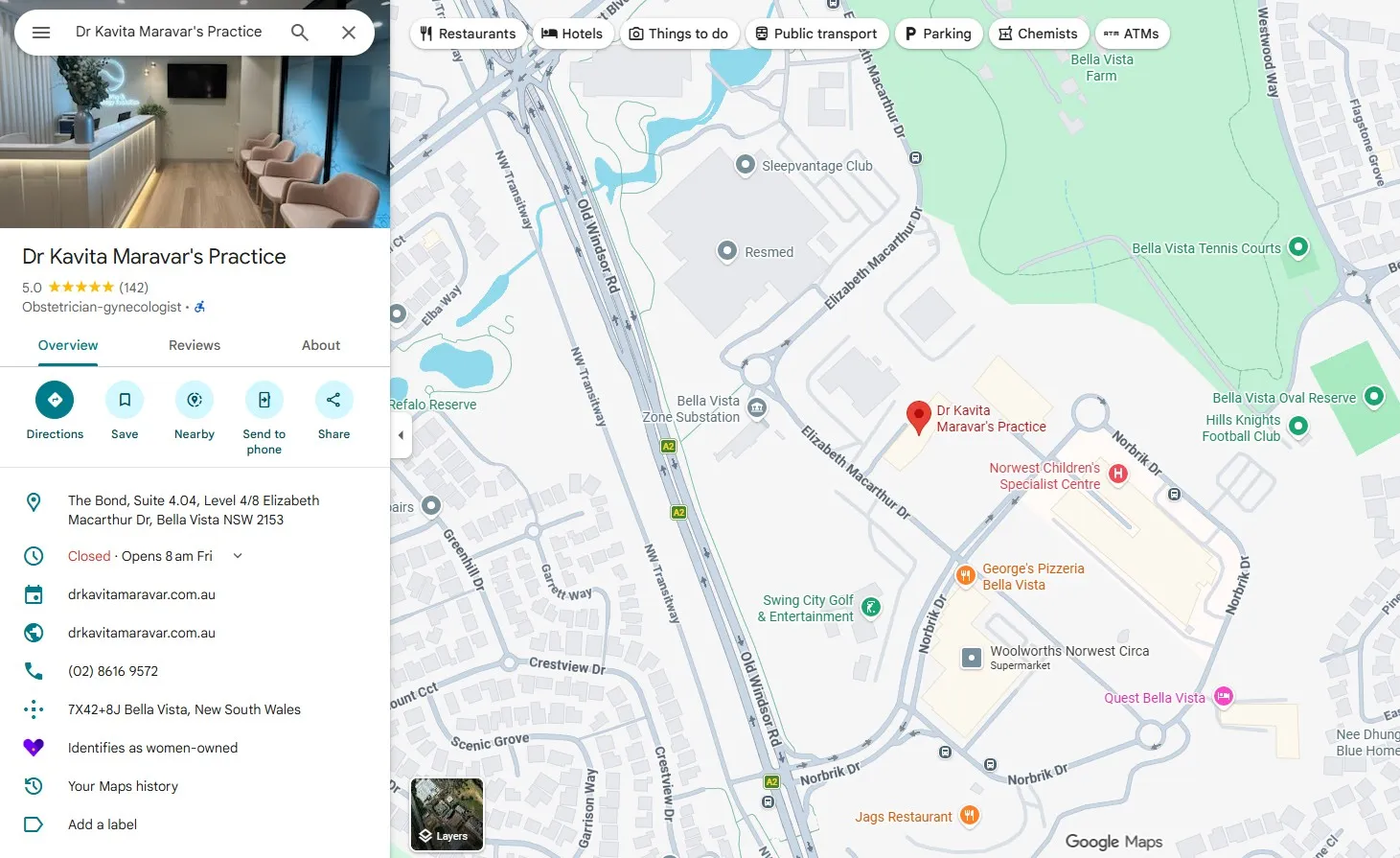
Dr Kavita Maravar's Practice
The Bond, Suite 4.04,
Level 4/8 Elizabeth Macarthur Dr,
Bella Vista NSW 2153
02 8616 9572



























Sign in to leave a comment.