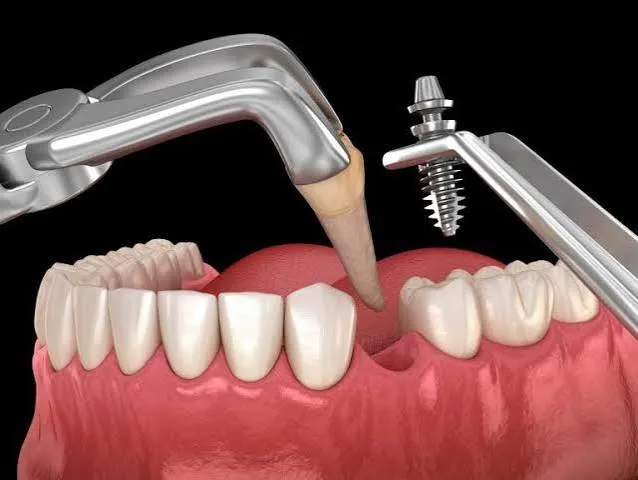

If you’ve been told you need a tooth replacement but are putting it off, you’re not alone. Many patients visiting a top-rated dentist in Tampa delay treatment due to cost concerns, anxiety, or simply not feeling urgent discomfort. The problem is that missing teeth don’t stay “stable” over time; the longer you wait, the more complex and expensive the situation can become.
Dental implants are widely considered the gold standard for replacing missing teeth, and understanding the consequences of delay can help you make a more informed decision about your oral health and long-term comfort.
Why Timing Matters for Dental Implants
When a tooth is lost, the jawbone in that area no longer receives stimulation from chewing. Over time, this leads to a process called bone resorption, in which the body breaks down and absorbs unused bone tissue. A qualified dentist will often emphasize early replacement because bone loss can begin within the first few months after extraction. The longer the gap remains untreated, the harder it becomes to place a stable implant without additional procedures. This is one of the main reasons dental implants are recommended sooner rather than later; they help preserve both function and bone structure.
Bone Loss and Facial Changes
One of the most significant effects of delaying dental implants is bone deterioration in the jaw. As the bone shrinks, it can change the shape of your face over time. Patients may notice:
- A sunken appearance around the cheeks
- Premature wrinkles around the mouth
- A collapsed bite structure
These changes don’t happen overnight, but they gradually become more noticeable the longer multiple teeth remain missing. In advanced cases, patients may require bone grafting before implants can even be placed, adding time, complexity, and cost to treatment.
Shifting Teeth and Bite Problems
When there is a gap in your smile, surrounding teeth naturally begin to shift into the empty space. This movement can create a chain reaction of dental issues.
A dentist in Tampa may warn that untreated gaps can lead to:
- Misaligned teeth
- Uneven bite pressure
- Increased wear on remaining teeth
- Jaw discomfort or temporomandibular joint (TMJ) issues
Over time, this misalignment can make chewing less efficient and increase the risk of further tooth damage.
Gum Disease and Oral Health Risks
Delaying tooth replacement can also increase the risk of gum problems. Open spaces are harder to clean properly, which allows bacteria to accumulate. This can lead to inflammation, infection, and even periodontal disease. For patients considering affordable Tampa dental implants, addressing missing teeth early helps maintain healthier gum tissue and reduces the likelihood of future complications that may require more extensive dental work.
Increased Treatment Complexity and Cost
One of the most overlooked consequences of waiting too long is the rising cost of treatment. What could have been a straightforward implant placement may later require:
- Bone grafting
- Sinus lift procedures (for upper jaw cases)
- Orthodontic alignment before implant placement
A skilled dentist will often explain that early intervention not only improves outcomes but also helps keep treatment simpler and more predictable.
Emotional and Lifestyle Impact
Beyond physical effects, missing teeth can also impact confidence and daily life. Many patients begin to avoid social situations, smile less, or change their eating habits without realizing it. Modern dental implants are designed to restore natural function and appearance, allowing patients to eat comfortably, speak clearly, and smile with confidence again.
Conclusion
Delaying dental implants might feel harmless at first, especially if there is no immediate pain. However, the long-term consequences, bone loss, shifting teeth, bite problems, and higher treatment complexity, can make the situation significantly worse over time.
If you are considering tooth replacement, consulting an experienced dentist early can help preserve your oral health and reduce future complications. In most cases, timely dental implants offer a more stable, natural-looking, and cost-effective solution compared to waiting until problems progress. Taking action sooner rather than later is often the difference between a simple procedure and a complex restorative journey.



























Sign in to leave a comment.