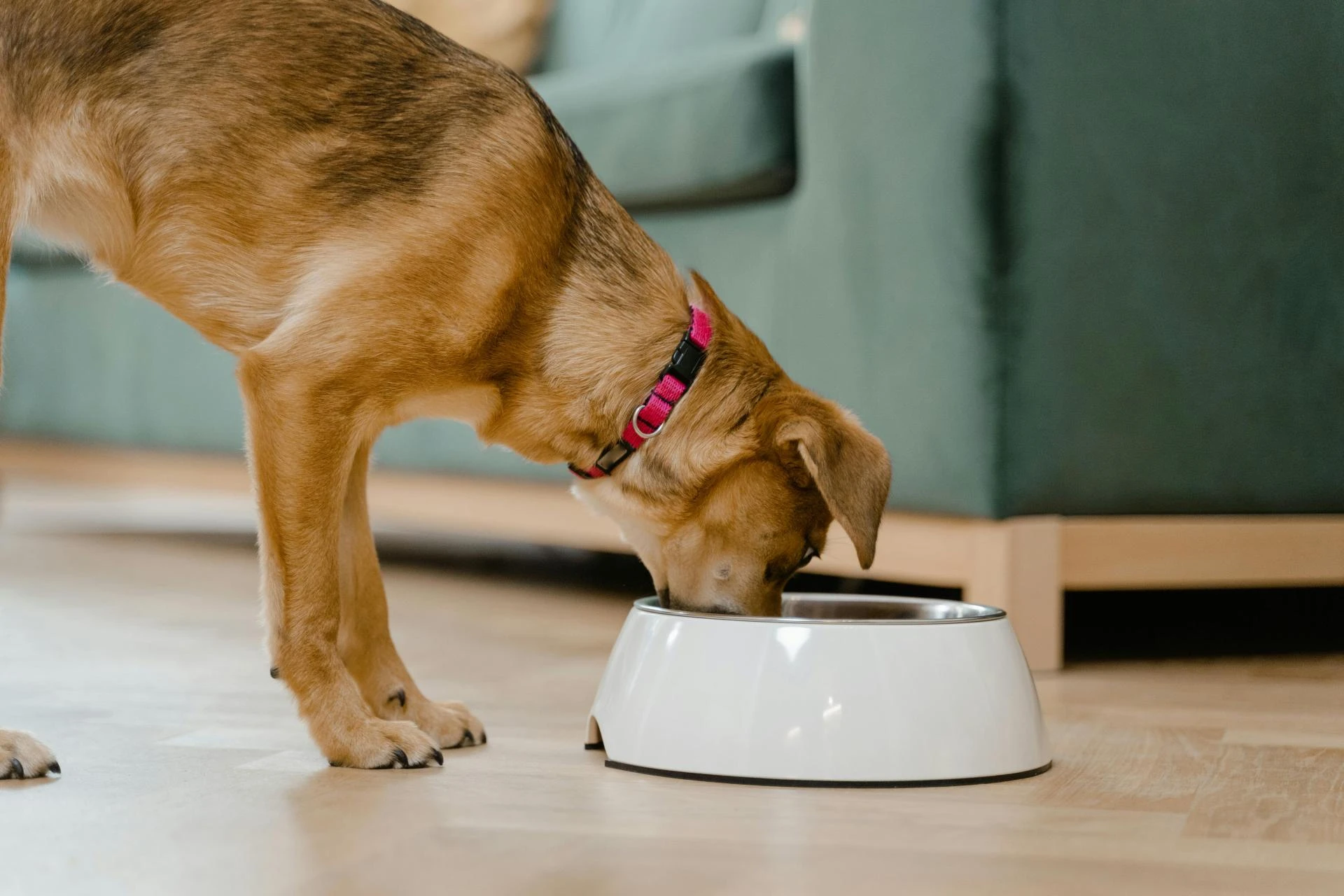
Our pets depend on us for their survival, comfort, and well-being. While regular vet checkups, vaccinations, and exercise are essential, one critical aspect of their health is often overlooked: proper nutrition. Nutritional counselling in pets is a vital tool that helps ensure animals receive a balanced, individualized diet. But what happens when it is neglected? The consequences can range from minor health issues to serious, life-threatening conditions. Understanding the importance of nutrition is key to keeping our furry companions healthy and happy.
The Role of Nutritional Counselling in Pets
Nutritional counselling is not simply advice about feeding schedules or selecting premium pet food. It involves a careful assessment of your pet’s health, age, breed, activity level, and lifestyle to create a diet tailored to their specific needs. Veterinarians or pet nutritionists help identify deficiencies, recommend appropriate foods, and guide portion sizes.
Without this guidance, pet owners may inadvertently feed diets that fail to meet the unique needs of their pets, resulting in long-term health consequences.
Short-Term Consequences of Neglect
Even in the early stages, neglecting nutritional counselling in pets can manifest in ways that may seem minor but accumulate over time:
1. Digestive Issues - Feeding inappropriate foods can cause digestive upset, including vomiting, diarrhea, constipation, or gas. Pets may appear lethargic or uncomfortable, and chronic digestive problems can lead to nutrient malabsorption.
2. Weight Imbalance - Obesity and underweight conditions are common when diets are not carefully managed. Overfeeding can lead to obesity, while underfeeding or feeding nutritionally incomplete diets can prevent pets from gaining necessary weight and energy. Both extremes increase susceptibility to disease.
3. Low Energy and Poor Coat Quality - Nutritional deficiencies often manifest in subtle ways, such as dull fur, hair loss, dry skin, and reduced energy levels. Pets may become less playful, show signs of fatigue, or even develop behavioral changes.
Long-Term Health Risks
The impact of neglecting nutritional counselling can be severe and affect nearly every aspect of a pet’s health:
1. Chronic Diseases - Improper nutrition is a leading factor in conditions such as diabetes, kidney disease, liver dysfunction, and heart problems. These chronic diseases can significantly reduce quality of life and require lifelong management.
2. Weakened Immune System - Essential vitamins, minerals, and proteins are critical for maintaining immune function. Nutritional deficiencies make pets more prone to infections, slow healing, and exacerbate existing health conditions.
3. Developmental Problems - Puppies and kittens require nutrient-rich diets to support rapid growth. Without proper guidance, pets may experience stunted growth, skeletal abnormalities, and long-term organ issues.
4. Shortened Lifespan - Studies have shown that well-nourished pets live longer, healthier lives. Conversely, poor nutrition contributes to premature aging, organ failure, and an overall reduction in lifespan.
Behavioral and Emotional Consequences
Nutrition also affects a pet’s mental wellbeing. Pets on inadequate diets may display irritability, anxiety, or hyperactivity. They may also lose interest in play or social interaction, affecting their overall quality of life.
Furthermore, pets rely entirely on their owners for their diet. Neglecting nutritional counselling not only harms their physical health but also breaks the trust they place in humans for their care and comfort.
Common Causes of Neglect
Neglecting nutritional counselling often happens unintentionally. Common causes include:
- Lack of Awareness: Many owners are unaware of the link between diet and health.
- Relying on Generic Advice: Feeding pets the same food as others without considering individual needs.
- Misguided Trends: Following fads like grain-free diets or homemade diets without proper guidance can result in imbalances.
- Busy Lifestyles: Convenience often leads to inconsistent feeding schedules or inappropriate treats.
By addressing these gaps through professional counselling, owners can avoid serious consequences and ensure their pets thrive.
How Nutritional Counselling Helps
Engaging with a veterinarian or pet nutritionist provides a roadmap to prevent the negative outcomes listed above. Nutritional counselling in pets offers:
- Personalized Diet Plans: Tailored meals that meet the unique needs of age, breed, and health conditions.
- Weight Management Guidance: Preventing obesity or malnutrition with controlled portions and nutrient balance.
- Disease Prevention: Diets designed to reduce the risk of chronic illness and manage existing conditions.
- Monitoring and Adjustment: Regular follow-ups ensure diets evolve with the pet’s changing needs.
Proper guidance ensures that pets not only survive but flourish, living longer, healthier, and more joyful lives.
The Broader Perspective
Beyond individual health, nutritional counselling contributes to a more responsible approach to pet ownership. It reinforces the idea that pets are not simply animals to feed, but companions whose physical and emotional health depends on thoughtful, informed care.
It also encourages owners to become more educated about ingredients, portion sizes, and feeding habits, leading to a more engaged and proactive approach to pet wellbeing.
Conclusion
Neglecting nutritional counselling in pets is more than an oversight, it can have serious consequences that affect their physical, emotional, and even social wellbeing. From minor digestive issues to life-threatening chronic diseases, the effects of poor nutrition accumulate over time.
By investing in professional guidance, pet owners can ensure their companions receive a balanced, tailored diet that supports growth, longevity, and happiness. Nutritional counselling is not just about food; it is about safeguarding the life and quality of life of a creature that depends entirely on us.
In short, the health, happiness, and lifespan of pets are directly tied to the care we take with their nutrition. Ignoring it is a risk no responsible pet owner should take.


























Sign in to leave a comment.