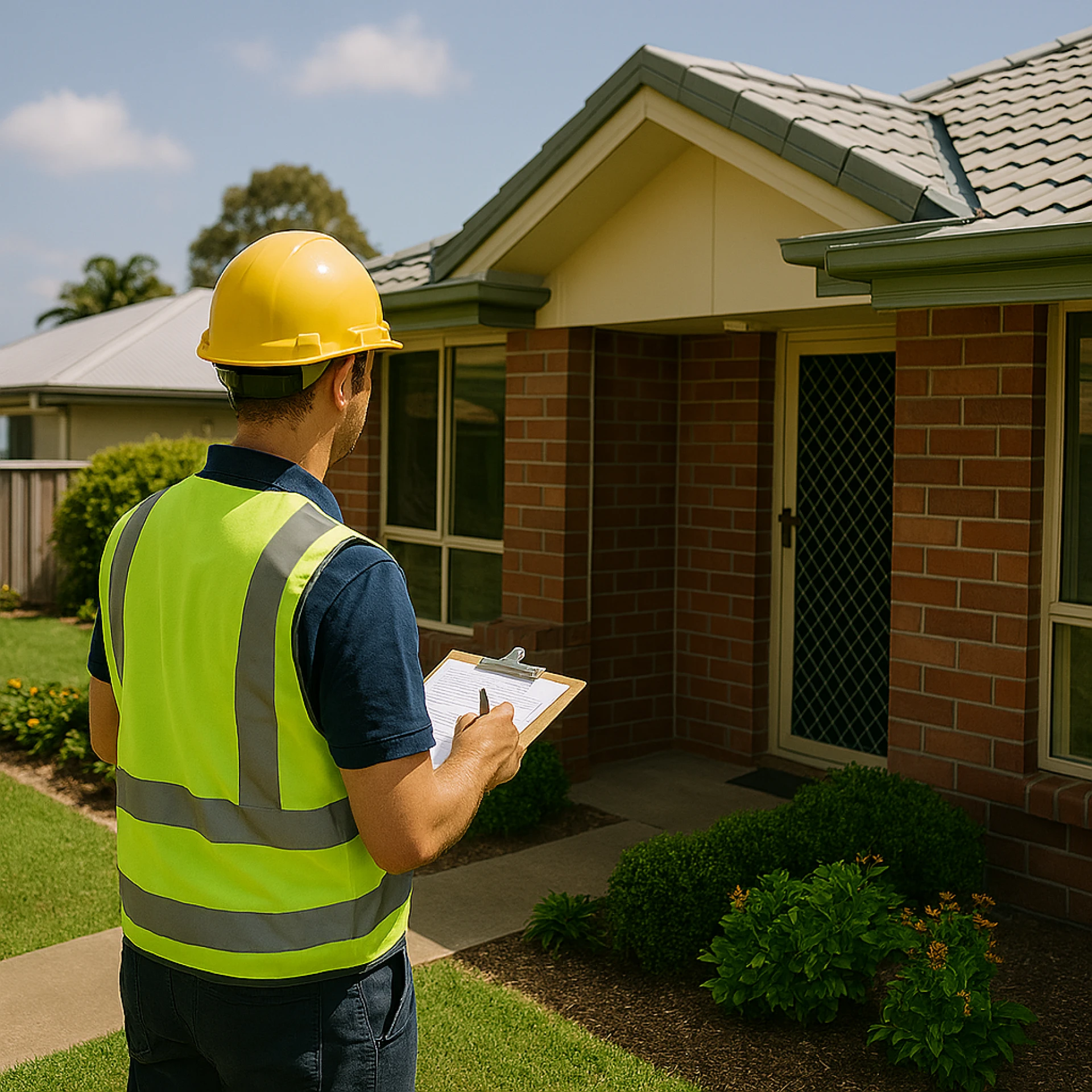

Buying a home on the Sunshine Coast is exciting, but it’s also one of the biggest financial decisions you’ll ever make. While a property may look perfect on the surface, hidden issues can turn a dream purchase into a costly mistake. That’s why a building and pest inspection in the Sunshine Coast is a critical step before finalising any property purchase.
Many buyers underestimate how much an inspection can reveal. Understanding what’s involved and what to look out for can help you make a confident and informed decision.
Why a Building and Pest Inspection Matters
Properties in coastal and subtropical regions like the Sunshine Coast are exposed to unique environmental conditions. Moisture, termites, and structural wear are common issues that aren’t always visible during open homes.
A professional building and pest inspection helps identify:
- Structural defects
- Termite activity or damage
- Moisture issues and water ingress
- Roofing and drainage problems
- Safety hazards and compliance concerns
These findings can influence negotiations, help avoid unexpected repair costs, or even prevent you from buying a problematic property altogether.
Common Issues Found in Sunshine Coast Properties
Based on inspection trends in the region, some of the most common problems include:
1. Termite Activity
Warm weather and humidity create ideal conditions for termites. Even newer homes can show signs of termite damage if protection systems are poorly maintained.
2. Moisture and Water Damage
Poor drainage, roof leaks, and inadequate waterproofing often lead to hidden moisture problems, which can cause long-term structural damage.
3. Roofing and Gutter Defects
Corrosion, loose tiles, and blocked gutters are frequently overlooked but can lead to internal damage if not addressed early.
4. Structural Movement
Cracks in walls, uneven floors, or doors that don’t close properly can indicate foundation or structural movement.
What a Building and Pest Inspection Covers
A standard inspection typically includes:
- Internal and external structural assessment
- Roof space and subfloor inspection (where accessible)
- Pest activity and risk assessment
- Moisture testing
- Safety and maintenance observations
The inspector provides a detailed written report outlining defects, risks, and recommended actions.
When Should You Book an Inspection?
The inspection should be completed before contracts become unconditional. This timing gives buyers the opportunity to:
- Negotiate repairs or price adjustments
- Request further specialist inspections if needed
- Walk away from the purchase if major issues are uncovered
Final Thoughts for Home Buyers
A building and pest inspection isn’t just a formality, it’s a safeguard for your investment. Especially in the Sunshine Coast, where environmental factors can accelerate property wear, skipping this step can be a costly mistake.
Whether you’re a first-home buyer or a seasoned investor, a thorough inspection provides peace of mind and clarity before committing to a purchase.























Sign in to leave a comment.