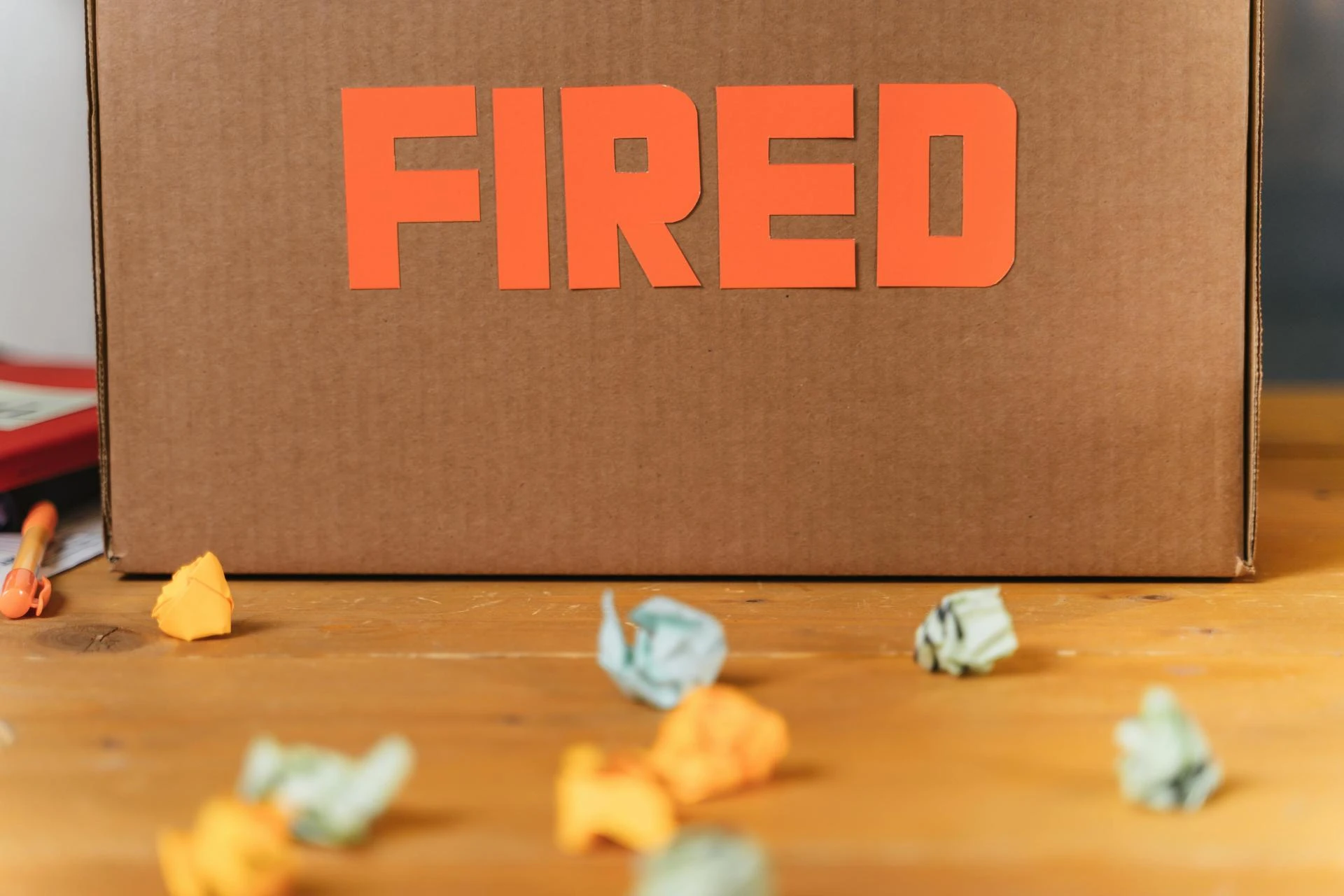

When I suddenly lost my job, I felt like the rug was pulled out beneath my feet. One day, I was budgeting comfortably and planning for the future, and the next, I was staring at unpaid bills, growing credit card balances, and an uncertain path forward. I suddenly discovered that the emotional weight of debt can be paralyzing. I’m talking about sleepless nights, the embarrassment of financial instability, and the fear of what happens if you can’t catch up.
My initial reaction was that bankruptcy seemed like the best possible solution. It felt like an inevitable point for anyone drowning in debt. However, after I spent some time looking for alternatives, I discovered that there are legal and strategic ways to manage debt without filing for bankruptcy. Out-of-court workouts, structured repayment plans, and professional debt negotiation can help you recover financially while restoring your self-esteem.
The Financial Crisis
I lost my job out of the blue, without warning or severance, and I had no safety nets. After a few weeks, everyday expenses, rent, utilities, and car payments piled up faster than I could handle. And the hardest part of all was uncertainty. The next call from an unknown number could be a creditor.
My anxiety was growing day by day, and the idea of losing everything I had worked for became a cry of despair. Once again, bankruptcy was looking like the best escape route, but I couldn’t help but wonder if there was another way, something less final that could help me rebuild instead of starting over.
Exploring the Alternatives: Debt Relief Options
At this low point, I began to explore out-of-court debt relief options. I learned about debt workouts, which allow you to negotiate directly with creditors to adjust payment terms or interest rates, and debt settlements, where you can reach an agreement to pay a portion of what’s owed in exchange for forgiveness of the rest. These approaches don’t require a court filing and can help you avoid the long-term impact of bankruptcy.
To gain a deeper understanding of my choices, I consulted with several experienced bankruptcy attorneys, including Denver commercial disputes attorney Kevin Neiman, as well as others who specialize in assisting individuals and businesses in resolving financial obligations outside of court. Above all, the consultations finally provided me with clarity on the whole situation. They explained how out-of-court resolutions could stop the chaos and put me back in control of my finances without the stigma or long-term consequences of bankruptcy.
The First Step Towards Financial Recovery: Negotiating Debt and Setting Up Workouts
Following the attorney’s advice, I started reaching out to my creditors, and at first, it was intimidating, because it’s never easy to talk openly about your financial trouble. To my surprise, after I honestly explained my situation, many creditors were willing to negotiate. They understood that I was genuinely committed to repaying my debt. After all, it’s also in their own interest to get back some of the owed money, rather than close to nothing if I were to file for bankruptcy.
After a few successful calls with the creditors, I turned back to my attorney, who helped me formalize the agreements. It’s really important to put everything on paper. Otherwise, the deals you negotiated over the phone are just words. The attorney also helped me finalize the paperwork, ensuring I set up realistic payment schedules and avoided missing key documentation. It wasn’t easy, but step by step, everything was set in place, and I could finally see the light at the end of the tunnel.
The Hurdles Along the Way
My story may seem like smooth sailing, but I assure you it was far from it. Some creditors refused to budge, and interest continued to build on a few accounts before we finished negotiations. Patience is crucial, and I learned that debt resolution isn’t a quick fix. It’s a gradual process that demands persistence and good record-keeping (a skill I’ve developed as a consequence). Every letter, email, and payment confirmation became part of my roadmap to stability.
Precious Lessons About Money
The most valuable lesson I learned from this experience is that financial literacy is much more important than income. Before losing my job, I had never truly planned for emergencies, and that’s probably a common problem for many. I also never imagined that a lack of savings could turn into a crisis so quickly. I learned how to prioritize essentials, track every expense, and create a realistic budget that would allow me to have a safety net for the future.
However, most significantly, I realized how important it is to act quickly and seek professional advice early. Also, debt attorneys and financial counselors aren’t just for the times when you’re in dire situations. They can provide structure, negotiate better terms, and give you peace of mind when everything feels hopeless.
Stability, at Last
Over time, I rebuilt. I stuck to the repayment plans, I slowly paid down balances, and soon, I was able to start saving. I started small, with $100, then $500, and after a year, I had enough to cover three months of expenses. My credit score recovered, but more importantly, so did my confidence.
Today I’m back on stable financial ground. Looking back, I’m grateful I didn’t rush into bankruptcy. Out-of-court workouts and professional guidance gave me back the breathing room I needed to rebuild without losing everything.
Losing a job and facing debt is terrifying, but it doesn’t have to become a scar for your financial future. There are structured, legal ways to manage debt without filing for bankruptcy. These options can also protect your assets, credit, and peace of mind.
If you’re in that position now, remember that you still have choices, but you have to act as early as possible. Don’t wait for months for irreversible consequences. Consult with professionals, explore your options, and take control of your financial future. Most of the time, the road to stability starts by choosing a smarter way forward.




























Sign in to leave a comment.