

The Little Things Often Tell a Bigger Story
Parents often notice small challenges during daily routines but may not immediately connect them to a child's overall development. Difficulties with holding a pencil, buttoning clothes, maintaining attention, using scissors, sitting still, or following simple instructions can sometimes be more than everyday childhood struggles.
While every child develops at their own pace, consistent difficulties with routine activities may provide valuable clues about developmental skills that are still emerging. Understanding these signs early can help children receive support that encourages confidence, independence, and success in everyday life.
For families in Jaipur, India, recognizing these developmental indicators can be an important step toward supporting healthy growth.
Looking Beyond the Challenge
When a child struggles with daily activities, parents often focus on the task itself. However, many everyday activities require a combination of important developmental skills working together.
These include:
- Fine motor coordination
- Hand-eye coordination
- Attention and concentration
- Sensory processing
- Balance and body awareness
- Planning and organization skills
- Visual perception
A challenge in one or more of these areas can make routine activities feel difficult for a child.
Instead of viewing these situations as failures, they can be seen as opportunities to better understand how a child learns, moves, and interacts with the world.
Everyday Signs Parents Should Notice
Many developmental concerns first become visible through ordinary daily activities.
Writing and Drawing Difficulties
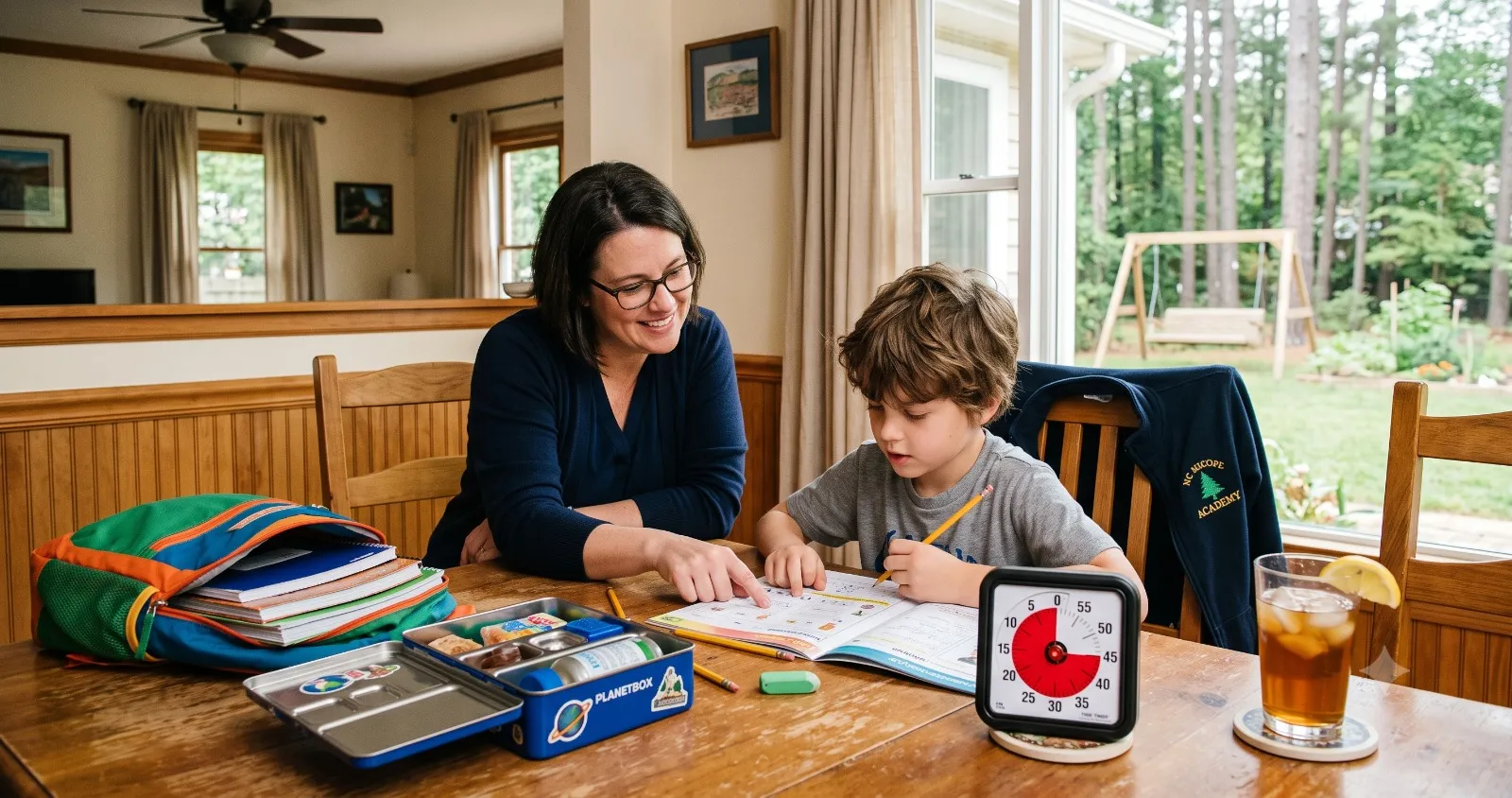
A child may avoid coloring, struggle to hold a pencil correctly, or become tired quickly during writing tasks.
Trouble With Self-Care Activities
Simple activities such as dressing, tying shoelaces, brushing teeth, or using utensils may seem unusually challenging.
Difficulty Staying Focused
Some children find it hard to remain engaged during classroom lessons, homework, or structured activities.
Challenges With Coordination
Running, jumping, catching a ball, climbing stairs, or participating in sports may require extra effort.
Frustration During Everyday Tasks
Children often become frustrated when tasks feel harder for them than for their peers.
These signs do not necessarily indicate a serious concern, but persistent challenges may benefit from professional evaluation and support.
Why Early Support Matters
Childhood is a critical period for learning foundational skills. Early support can help children strengthen developmental abilities before challenges begin affecting confidence, learning, or participation.
When developmental needs are identified early, children often have more opportunities to:
- Improve everyday independence
- Participate more confidently in school
- Develop stronger motor skills
- Build social confidence
- Improve attention and focus
- Enjoy learning experiences
Small improvements in everyday tasks can create meaningful changes in many areas of a child's life.
Understanding the Role of Occupational Development Support
Developmental support focuses on helping children strengthen the skills needed for everyday activities.
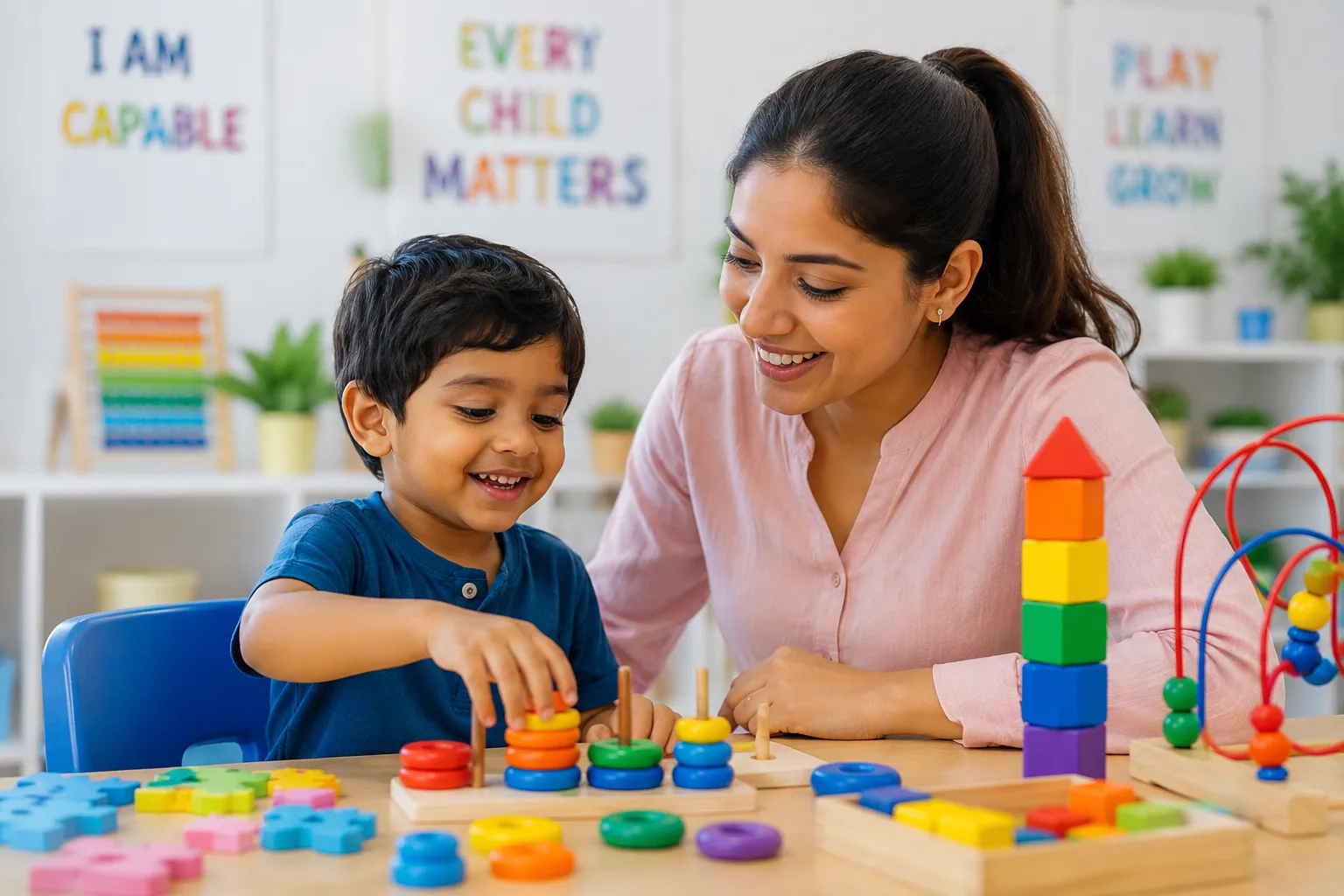
Pediatric Occupational Therapy helps children improve the abilities required for learning, self-care, play, and social participation. Through personalized and engaging activities, children are encouraged to develop practical skills that support greater independence and confidence.
Rather than focusing only on challenges, therapy helps identify strengths and build upon them through structured experiences that match a child's individual needs.
This child-centered approach often creates a positive environment where progress feels achievable and rewarding.
Skills That Can Improve Through Targeted Support
Every child has unique goals and developmental needs. Support programs may focus on several important areas.
Fine Motor Skills
Activities strengthen hand movements needed for writing, drawing, cutting, and managing small objects.
Sensory Processing
Children learn strategies for responding more comfortably to sounds, textures, movement, and other sensory experiences.
Attention and Focus
Activities encourage children to remain engaged during learning and everyday tasks.
Coordination and Balance
Children develop stronger body awareness and movement skills through structured activities.
Daily Living Skills
Independence is encouraged through activities related to dressing, eating, organization, and self-care.
These improvements often support greater participation both at home and in educational settings.
How Families Can Support Development at Home
Parents play an important role in encouraging developmental growth.
Encourage Active Play
Outdoor games, building activities, puzzles, and creative play support skill development naturally.
Create Consistent Routines
Predictable routines help children feel secure and confident.
Celebrate Progress
Recognizing effort and improvement builds motivation and self-esteem.
Offer Opportunities for Independence
Allow children to practice age-appropriate tasks independently whenever possible.
Focus on Strengths
Building on existing abilities helps children feel successful while developing new skills.
When combined with professional guidance, these everyday strategies can create meaningful developmental opportunities.

Supporting Children Through Understanding
Every child has strengths waiting to be discovered. Sometimes everyday challenges simply highlight areas where additional support may be helpful.
Professional Pediatric Occupational Therapy can help children build the skills needed to participate more confidently in learning, play, social situations, and daily routines. With personalized guidance and encouragement, children often experience increased independence and improved confidence.
For families in Jaipur, India, understanding developmental needs early can open the door to positive growth and future success.
Conclusion
Everyday tasks often reveal valuable information about a child's development. Challenges with writing, coordination, attention, self-care, or routine participation may provide important clues about skills that need additional support.
By recognizing these signs early and providing the right guidance, parents can help children strengthen essential abilities, develop confidence, and enjoy greater success in everyday life. Small observations today can lead to meaningful progress and brighter opportunities tomorrow.




























Sign in to leave a comment.