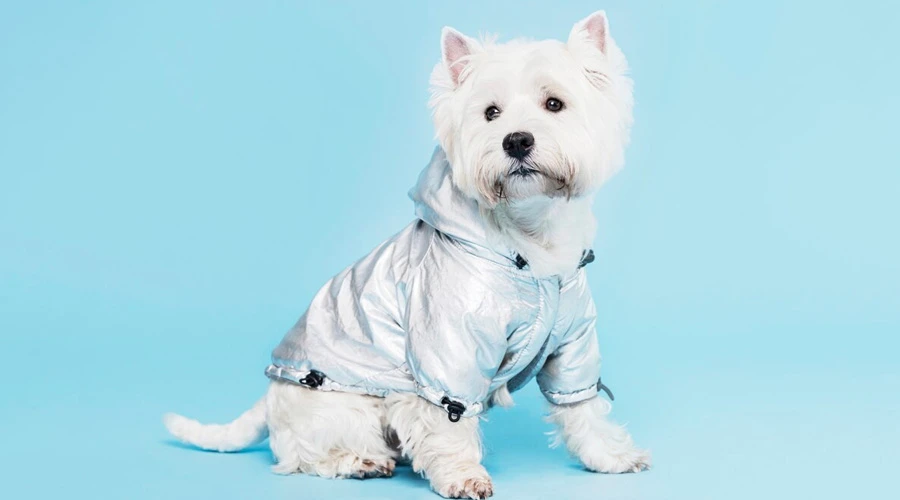

Many pet owners enjoy dressing up their furry companions for fun, comfort, or protection. However, it’s common to face resistance when introducing dog clothes to your pet. Some dogs accept outfits without hesitation, while others may recoil, try to remove the clothing, or even hide. Incorporating dog grooming habits alongside clothing can sometimes make the process smoother, but understanding your dog’s behavior is key. In this article, we will explore why dogs refuse to wear clothes, tips to help them adjust, and alternatives to ensure they stay comfortable and happy.
Why Do Dogs Refuse Clothes?
Dogs can be particular about textures, movement, and boundaries. While humans see clothes as stylish or protective, dogs perceive them differently. Some common reasons dogs refuse clothing include:
Sensory Sensitivity
Many dogs are highly sensitive to touch and feel uncomfortable when fabric touches their skin. This is especially true for dogs with fine or short hair, where any added layer can feel restrictive. The sensation of wearing dog clothes may trigger anxiety or stress, causing them to resist.
Negative Past Experiences
Dogs learn through experiences. If a dog has had a negative experience with clothing, such as being forced into tight outfits or wearing itchy material, they may develop an aversion. Past experiences influence current behavior significantly.
Restriction of Movement
Active dogs, such as retrievers or terriers, value their freedom of movement. Clothing that restricts their natural gait, jumps, or playful antics can lead to frustration. Dogs may try to remove garments to regain their mobility.
Temperature Sensitivity
While humans dress up for style or warmth, dogs regulate their temperature differently. Some dogs naturally have thicker coats and may find clothing unnecessary or even uncomfortable, especially in warmer climates.
Signs Your Dog Dislikes Clothes
Recognizing the signs of discomfort is essential. Dogs communicate their unease in various ways:
- Shaking or pawing at the clothing
- Trying to bite or remove the outfit
- Freezing in place or refusing to move
- Hiding or avoiding interaction
- Whining or barking excessively
Understanding these signals ensures you don’t push your dog beyond its comfort level, preventing stress and promoting trust.
How to Introduce Clothes Gradually
Gradual introduction is key when your dog refuses to wear clothes. Patience and positive reinforcement can make the process easier.
Start Small
Begin with minimal accessories, such as a light scarf or a simple vest. Avoid bulky outfits at the beginning. Let your dog sniff, touch, and explore the clothing before attempting to put it on.
Positive Reinforcement
Pair the clothing with treats, praise, or playtime. Reward your dog every time they show curiosity or tolerate wearing an item, even briefly. This helps associate clothing with positive experiences.
Short Sessions
Keep initial wearing sessions short, lasting just a few minutes. Gradually extend the time as your dog becomes comfortable. Never force a dog to wear clothing for long periods initially, as it may create resistance.
Proper Fit
Ill-fitting clothes are a common reason dogs resist wearing them. Ensure the outfit is neither too tight nor too loose. Check areas like the neck, chest, and legs for comfort. Clothing that restricts breathing or movement should be avoided.
Introduce Familiar Smells
Dogs rely heavily on scent. Clothing that smells unfamiliar can trigger hesitation. Let the dog’s owner wear the clothing briefly or rub it on familiar surfaces to transfer a comforting scent before putting it on the dog.
Materials That Make a Difference
Choosing the right material is crucial for dogs hesitant to wear clothes. Soft, breathable fabrics like cotton or lightweight fleece are generally well-tolerated. Avoid rough or scratchy materials that can irritate the skin. Some dogs may prefer stretchy fabrics that move with them, reducing the feeling of restriction.
Integrating Clothes into Grooming Routines
Incorporating dog grooming sessions with clothing introduction can be effective. Grooming familiarizes your dog with touch and handling, which can translate to greater tolerance for clothing. Techniques include:
- Gently brushing the dog while introducing small garments
- Using grooming as a reward before or after putting on clothing
- Gradually combining grooming tools like combs or nail clippers with clothing exposure
By associating clothing with calm, positive grooming experiences, your dog can develop a sense of security rather than fear or discomfort.
Consider Your Dog’s Personality
Not all dogs will ever fully enjoy wearing clothes, and that’s okay. Some breeds, like Chihuahuas or small lap dogs, may be more tolerant, while larger or working breeds may resist. Understanding your dog’s personality is crucial:
- Active dogs may need very lightweight or stretchy outfits to avoid frustration
- Anxious dogs may benefit from calming wraps or snug-fitting vests that provide a sense of security
- Older dogs may find certain textures or tightness uncomfortable due to joint or skin issues
Tailoring clothing choices to personality and lifestyle ensures your dog feels comfortable rather than forced.
Alternatives to Full Outfits
If your dog refuses clothes despite patience and positive reinforcement, there are alternatives to consider:
Harness Covers
Some dogs are more accepting of clothing over specific areas like the chest or back. Harness covers can provide warmth or protection without full-body restriction.
Bandanas and Scarves
Bandanas or lightweight scarves are less intrusive and can offer a stylish touch without overwhelming your dog. They are especially good for short exposure to events or photos.
Cooling or Protective Gear
Instead of fashion, focus on functional clothing like cooling vests for summer or protective gear for rainy weather. Functional outfits may be easier for your dog to accept, as they serve a purpose beyond aesthetics.
Layering Slowly
Introduce clothing in layers. Start with a thin underlayer, like a t-shirt or bodysuit, and add additional layers only after the dog is comfortable. This incremental approach can reduce resistance.
The Role of Training
Training plays a significant role in helping dogs adapt to clothes. Using commands and gradual desensitization can help:
- Introduce clothing during calm, low-stress periods
- Reward tolerance, not perfection
- Avoid punishing or scolding the dog for resisting
- Use clicker training or verbal praise to reinforce positive interactions
Consistency and patience are key. Training helps dogs associate clothing with positive experiences rather than stress or punishment.
When to Avoid Clothing
While clothes can be cute or practical, they aren’t always necessary. Avoid forcing your dog into outfits if:
- They show persistent signs of stress or anxiety
- The climate makes clothing unnecessary or uncomfortable
- The dog has skin conditions or allergies aggravated by fabric
- The clothing restricts movement or natural behavior
Respecting your dog’s comfort is more important than aesthetics. Forcing clothes on an unwilling dog can damage trust and increase stress.
Understanding Behavior Over Appearance
Ultimately, dogs express their preferences through behavior, not fashion. Observing your dog’s reactions is essential to ensuring their well-being. Some dogs may never enjoy wearing clothes, while others may learn to tolerate or even enjoy it. Balancing clothing introduction with proper dog grooming and care creates a positive environment that respects your dog’s individuality.
Wrapping Up
Dogs refusing to wear clothes is a common challenge that requires patience, understanding, and adaptation. By recognizing the reasons behind resistance, introducing clothing gradually, choosing comfortable materials, and integrating clothing with grooming routines, pet owners can improve acceptance. Remember, each dog is unique, and some may never enjoy full outfits — and that’s perfectly fine. Alternatives like bandanas, harness covers, and functional clothing can provide protection or style without forcing discomfort. Respecting your dog’s preferences and personality ensures that dressing them becomes a positive experience rather than a source of stress.
Incorporating dog clothes into your routine should be fun and stress-free. With careful attention to your dog’s signals and comfort, even hesitant dogs can slowly adapt to clothing while enjoying the benefits of proper dog grooming and care. The key is patience, positive reinforcement, and respect for their individual needs.


























Sign in to leave a comment.