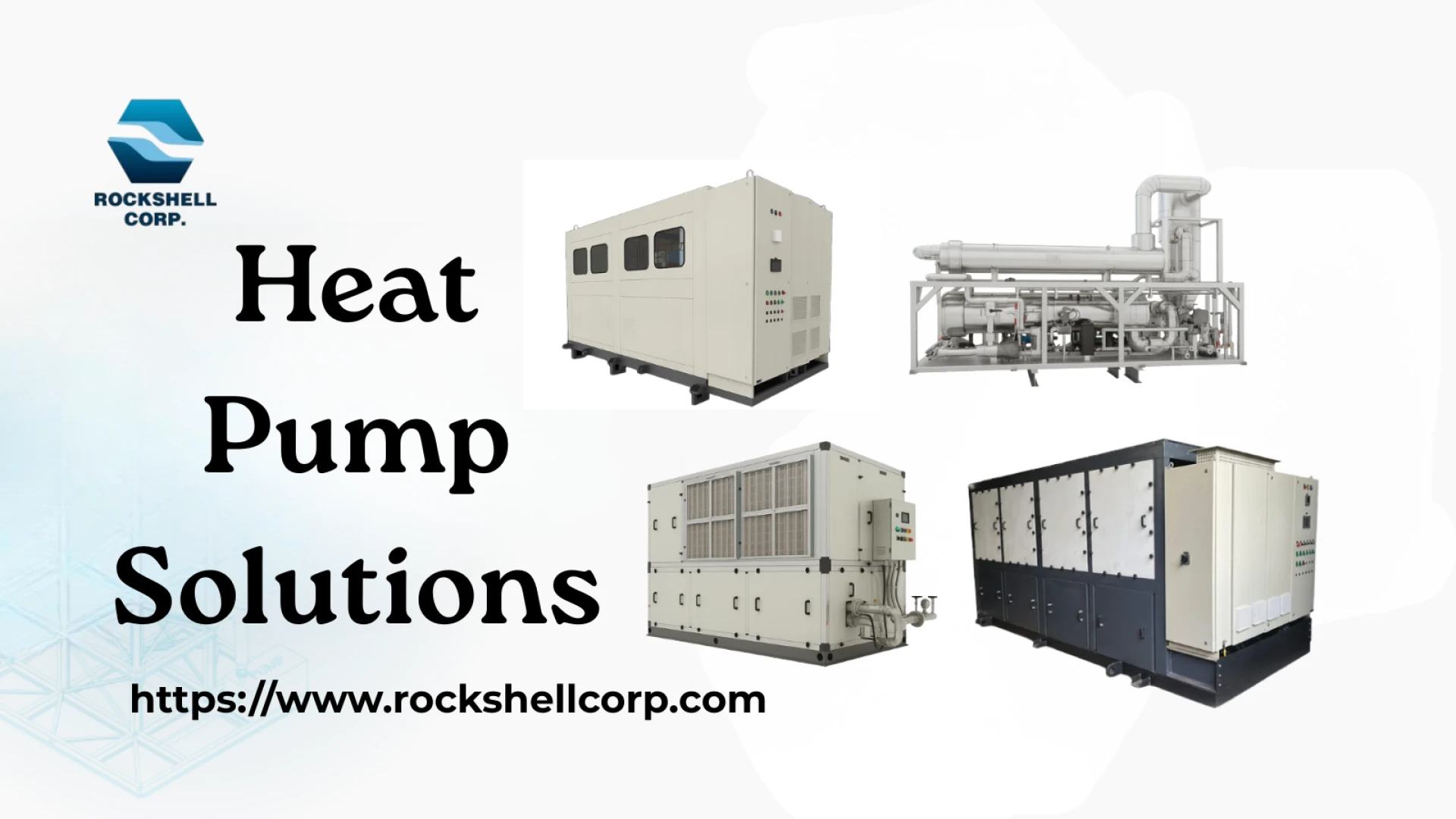

In modern industries, energy efficiency and sustainability have become major priorities. Many chemical plants require large amounts of heat for processes such as evaporation, distillation, drying, and heating of fluids. Traditional heating methods often consume high energy and increase operational costs. This is where a chemical processing heat pump becomes an effective and energy-efficient solution.
A chemical processing heat pump is an advanced system designed to recover waste heat generated during industrial processes and reuse it for heating applications. Instead of letting excess heat escape into the environment, the system captures low-temperature heat and upgrades it to a higher temperature that can be used again within the process. This technology helps chemical industries improve energy efficiency, reduce fuel consumption, and lower carbon emissions.
Working Principle of a Chemical Processing Heat Pump
The working principle of a chemical processing heat pump is based on the concept of heat recovery and heat transfer through a refrigeration cycle. The system captures low-grade heat from process streams, waste heat sources, or cooling systems and converts it into useful thermal energy.
The process mainly involves four key components: an evaporator, compressor, condenser, and expansion valve.
- Heat Absorption (Evaporator)
The evaporator absorbs waste heat from the chemical process. This heat may come from hot water, exhaust gases, or other process fluids. The refrigerant inside the evaporator absorbs this heat and evaporates into a vapor state. - Compression Stage
The vaporized refrigerant enters the compressor where it is compressed. This compression increases both the temperature and pressure of the refrigerant, making it suitable for reuse as a heating source. - Heat Release (Condenser)
The high-temperature refrigerant then moves to the condenser. In this stage, the heat is released to the required process such as heating water, generating steam, or supporting other chemical operations. - Expansion Stage
Finally, the refrigerant passes through the expansion valve where its pressure drops, and it returns to the evaporator to repeat the cycle.
This continuous cycle allows industries to recover and reuse heat efficiently, making the chemical processing heat pump a valuable technology for industrial energy management.
Benefits of Chemical Processing Heat Pumps
1. Energy Efficiency
One of the biggest advantages of a chemical processing heat pump is its ability to recover and reuse waste heat. Instead of relying completely on external fuel sources, the system utilizes existing heat from the process itself. This significantly improves energy efficiency in chemical plants.
2. Reduced Operational Costs
By reusing waste heat, industries can reduce their dependence on boilers and other conventional heating systems. This results in lower energy consumption and reduced fuel costs, leading to long-term savings.
3. Environmentally Friendly
A chemical processing heat pump helps lower greenhouse gas emissions by reducing fuel usage. Since the system utilizes recovered heat, it supports sustainable and eco-friendly industrial operations.
4. Improved Process Performance
Stable and consistent heat supply is important for many chemical processes. Heat pumps provide controlled and reliable heating, which improves process efficiency and product quality.
5. Waste Heat Recovery
Chemical industries generate large amounts of waste heat from various operations. Instead of losing this energy, heat pumps capture and upgrade it into useful heat. This improves overall plant efficiency.
6. Versatile Industrial Applications
Chemical processing heat pumps can be used in various applications including distillation, evaporation, solvent recovery, drying, and water heating. Their versatility makes them suitable for multiple processes in the chemical industry.
Why Industries Are Adopting Heat Pump Technology
As industries move toward sustainable production methods, energy-efficient technologies are becoming increasingly important. A chemical processing heat pump helps industries reduce energy waste while maintaining high process efficiency. It also supports companies in meeting environmental regulations and sustainability goals.
With advanced heat pump solutions designed for industrial applications, manufacturers are helping chemical plants improve performance while reducing energy consumption. These systems are becoming an essential part of modern industrial infrastructure.
Conclusion
A chemical processing heat pump is an innovative technology that helps chemical industries recover waste heat and convert it into useful energy. By using a simple yet efficient heat transfer cycle, the system reduces energy consumption, lowers operational costs, and supports environmentally friendly operations. As industries continue to focus on efficiency and sustainability, heat pump solutions are becoming an important tool for improving industrial processes and maximizing energy utilization.























Sign in to leave a comment.