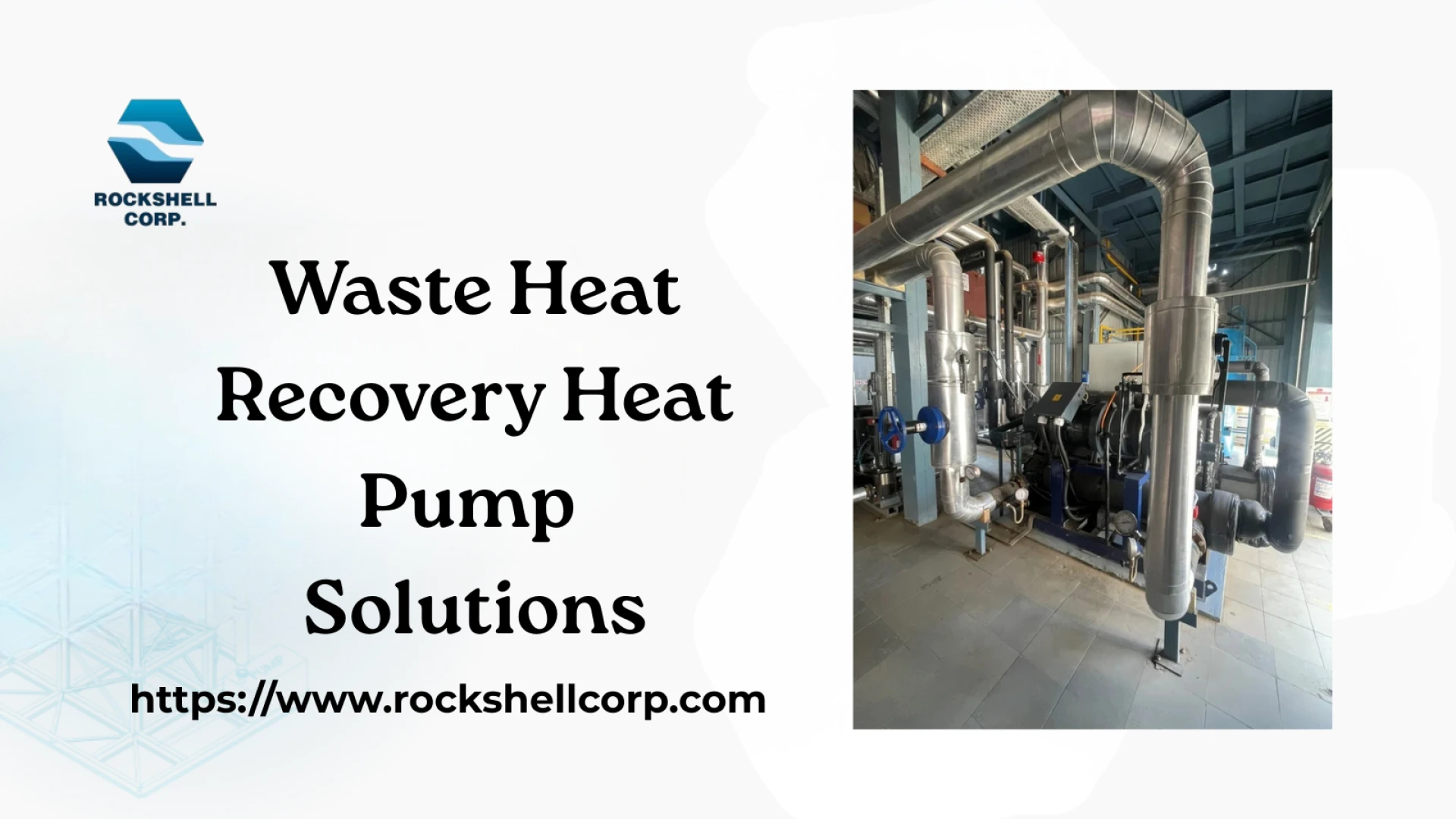

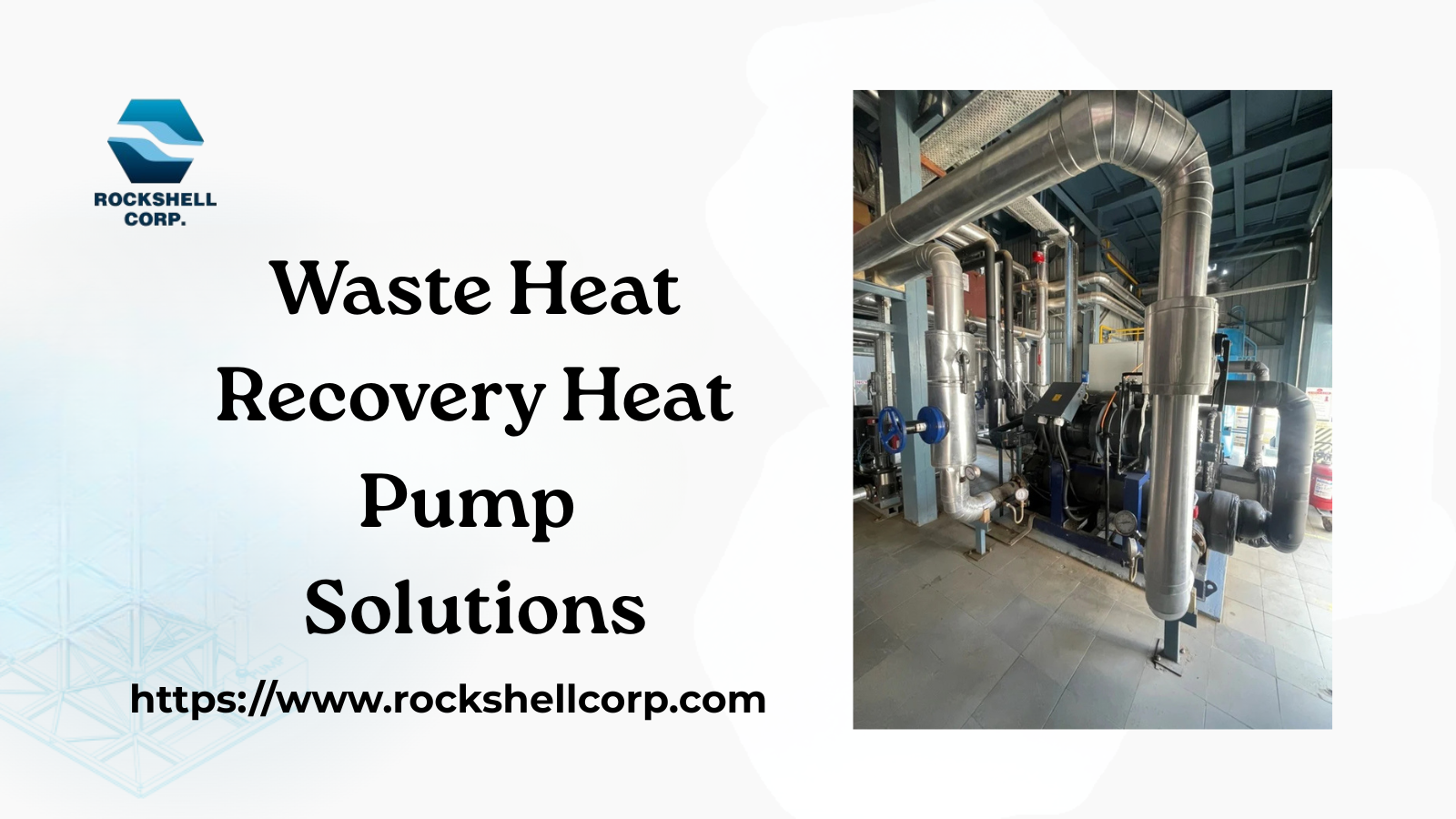
In modern manufacturing, energy efficiency is more than a buzzword, it’s a business imperative. One technology that is transforming energy usage in industrial environments is the Waste Heat Recovery Heat Pump. These systems capture unused thermal energy from manufacturing processes and repurpose it to reduce overall energy demand, lower operational costs, and shrink carbon footprints. By integrating waste heat recovery strategies, manufacturers can turn thermal losses into a valuable resource, enhancing sustainability and competitiveness.
What Is a Waste Heat Recovery Heat Pump?
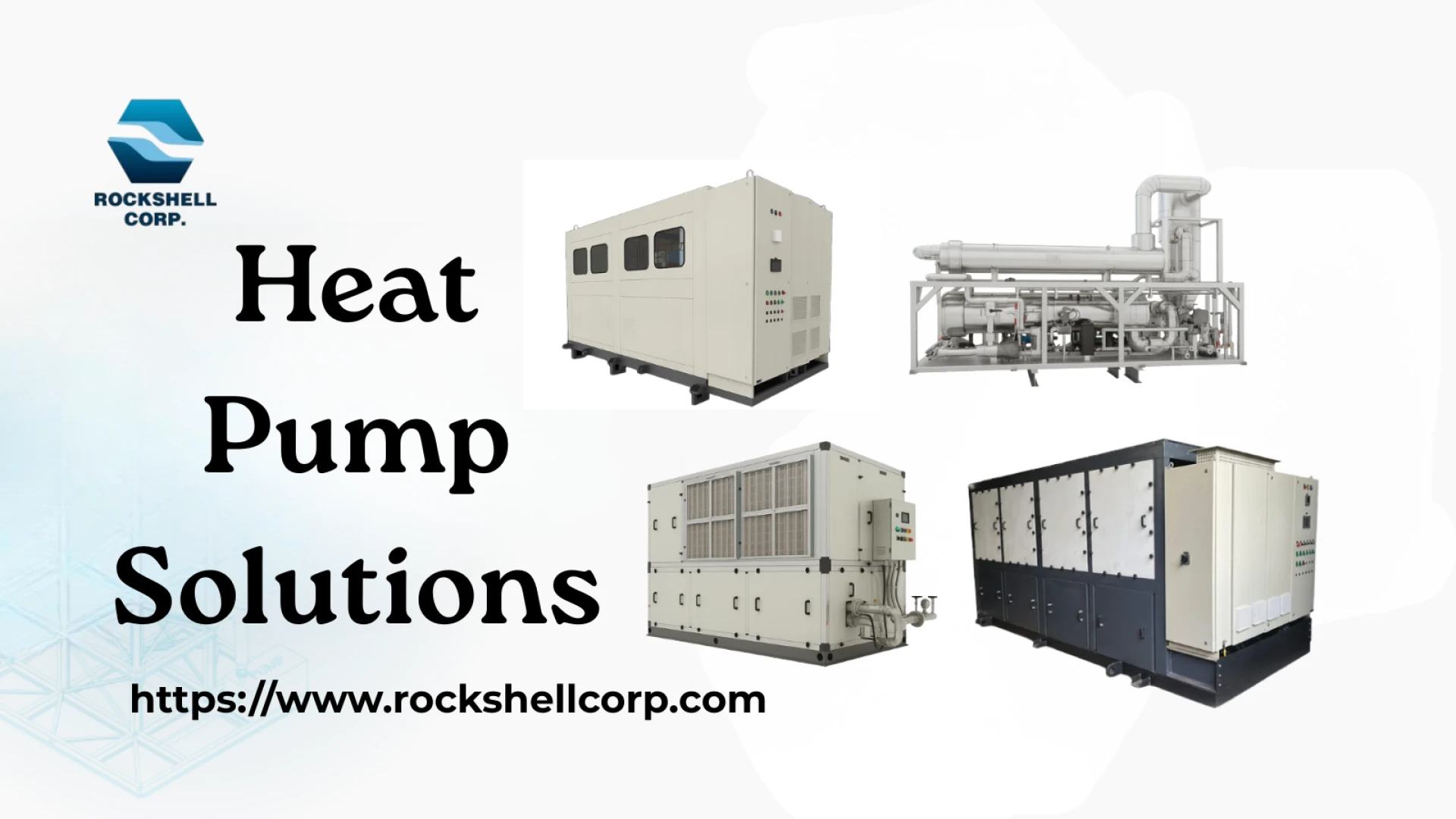
A Waste Heat Recovery Heat Pump is a specialized system designed to capture low-grade heat that would otherwise be wasted for example, heat emitted from process exhausts, cooling systems, or heat-producing equipment and upgrade it to a higher usable temperature. Unlike conventional heat pumps that primarily serve residential or commercial heating needs, industrial waste heat recovery units are built to withstand high volumes and continuous operation common in manufacturing environments.
The concept is simple yet powerful: instead of releasing heat into the atmosphere, these systems collect it, elevate its temperature using refrigeration cycle mechanisms, and then redirect it back into the manufacturing process. This recovered energy can be used for water heating, space heating, pre-heating raw materials, or even powering other thermal processes.
Why Waste Heat Recovery Matters in Manufacturing
Manufacturing industries are among the largest consumers of energy globally. A significant portion of this energy is lost as waste heat, sometimes up to 60% depending on the process. Waste heat recovery offers a route to reclaim this lost energy, thereby improving:
- Energy Efficiency: By recycling heat, manufacturers reduce reliance on fresh fuel or electricity.
- Cost Savings: Less purchased energy means lower utility bills and improved profitability.
- Environmental Sustainability: Lower energy consumption results in fewer greenhouse gas emissions.
- Operational Resilience: Firms become less exposed to energy price volatility.
Waste Heat Recovery Heat Pumps are particularly valuable because they don’t simply reclaim heat they enhance its quality, making it suitable for direct reuse.
Key Applications Across Manufacturing Sectors
1. Chemical and Process Industries
In chemical manufacturing, processes such as distillation, evaporation, and reactions generate large volumes of waste heat. Traditional cooling systems release this energy into the environment. By installing waste heat recovery heat pumps, facilities can capture this excess thermal energy and reuse it for pre-heating feedstock or maintaining process temperatures.
For instance, pre-heating incoming chemical streams with recovered heat can reduce energy requirements for thermal reactors and boilers. This not only cuts fuel costs but also stabilizes operating temperatures, improving product quality and consistency.
2. Food and Beverage Manufacturing
Food processing often involves pasteurization, sterilization, drying, and other heat-intensive steps. A Waste Heat Recovery Heat Pump can harvest heat from boiler flue gases, cooling chillers, and oven exhausts to supply hot water or warm air needed elsewhere in the facility.
For example, recovered heat can be used for cleaning, sanitization cycles, or even water heating for steam generation. This reduces pressure on conventional heating equipment and helps manufacturers meet strict environmental standards.
3. Textile and Dyeing Operations
Textile production uses a range of thermal processes including dyeing, drying, and finishing. These operations typically operate at elevated temperatures, meaning significant heat is lost through exhaust systems. Waste heat recovery heat pumps can capture this thermal energy and redirect it into heating washing tanks, finishing chambers, or drying rooms.
The result is a reduction in energy consumption across the production line and less dependence on fossil-based heat sources.
4. Paper and Pulp Mills
Paper manufacturing is another energy-intensive process with abundant waste heat, especially from steam systems and drying sections. Using heat pumps to recover waste heat streamlines steam management and can pre-heat water for re-use in pulping or other process steps.
Effective heat recovery not only increases process efficiency but can also reduce environmental discharge temperatures, aiding compliance with regulatory standards.
5. Metal Processing and Foundries
In metal casting, forging, and finishing, furnace and oven operations produce a continuous stream of high-temperature waste heat. Recovering this heat with industrial heat pump systems improves overall thermal management by reusing it for pre-heat cycles or ancillary heating needs.
This application is particularly valuable for facilities aiming to offset electricity and fuel costs, which account for a large share of total production expenses in metalworking industries.
Benefits Beyond Energy Savings
While energy and cost savings are the most immediate benefits, the impact of Waste Heat Recovery Heat Pumps extends further:
- Reduced Carbon Footprint: Lower fuel use equates to fewer emissions, supporting sustainability goals and corporate ESG commitments.
- Enhanced Equipment Life: Using recovered heat reduces strain on boilers and furnaces, extending their service life.
- Regulatory Compliance: Many regions enforce strict limits on industrial emissions and energy use. Heat recovery systems can help facilities meet these requirements.
Choosing the Right Waste Heat Recovery Solution
Not all heat recovery systems are created equal. Manufacturers considering implementation should evaluate:
- Temperature Requirements: Match the heat pump capacity to the thermal profile of available waste heat.
- Process Compatibility: Ensure integration does not disrupt existing thermal or production systems.
- Economic Payback: Analyze long-term savings versus capital investment to determine ROI.
- Maintenance and Support: Choose units with accessible service networks and strong reliability ratings.
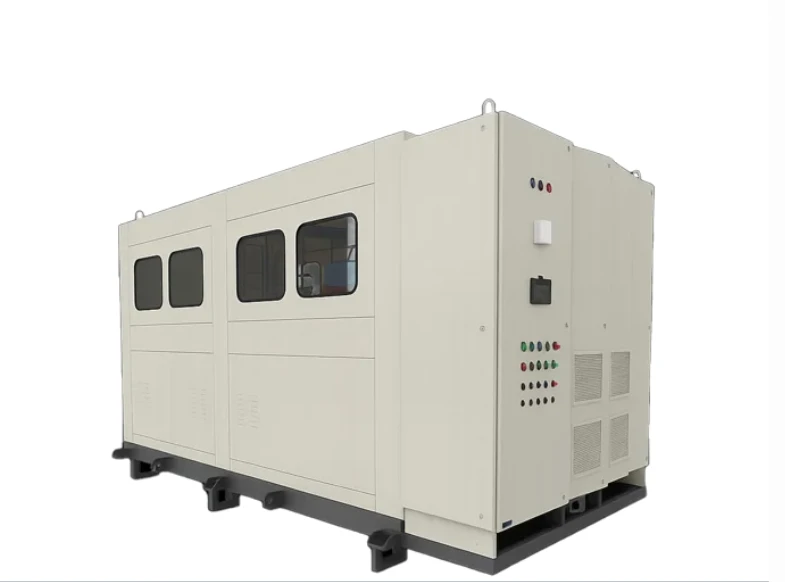
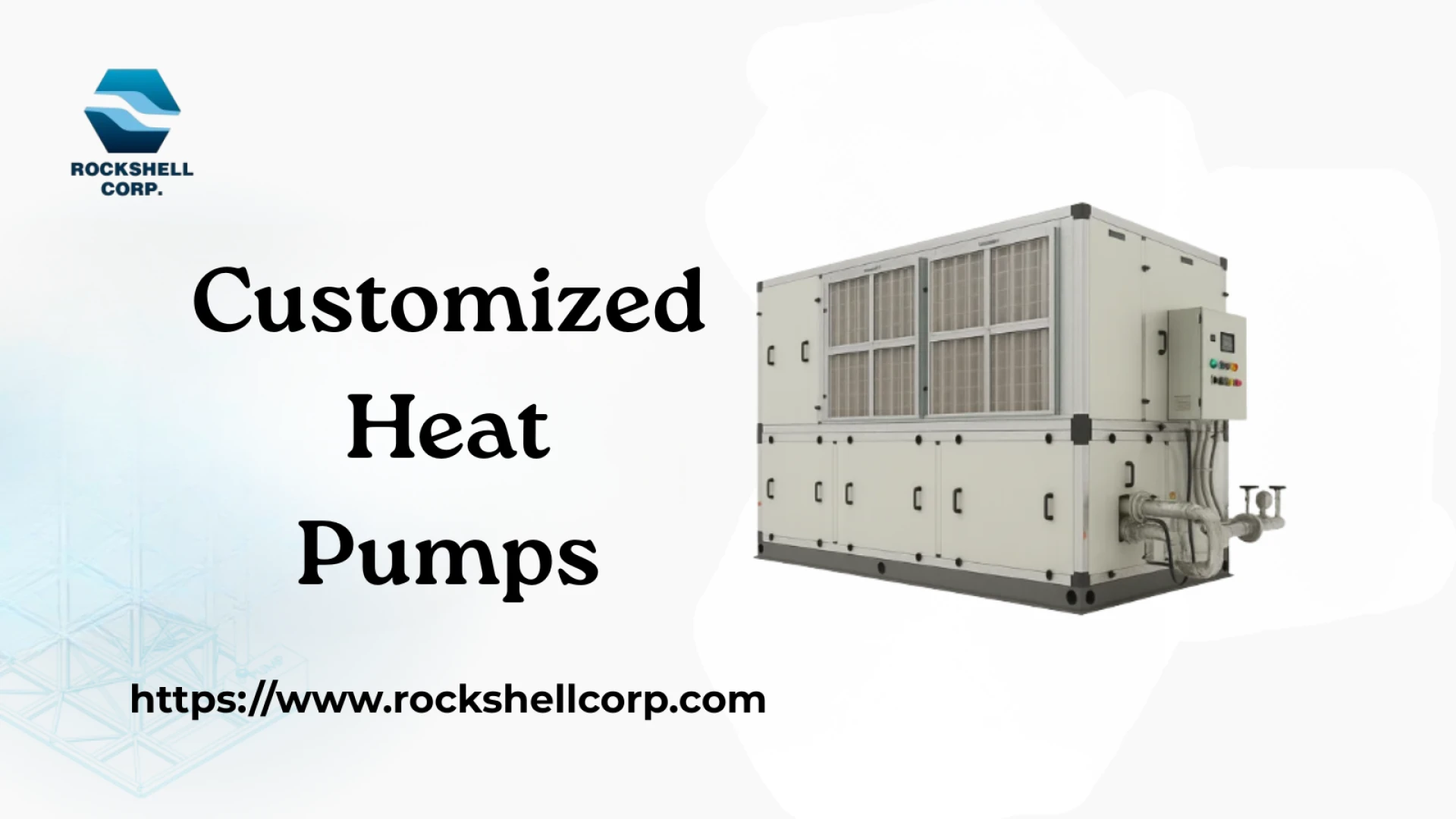
Partnering with a provider experienced in industrial heat recovery such as those offering tailored solutions in line with RockShell Corp’s waste heat recovery units can ensure that equipment is optimized for each facility’s unique needs.



























Sign in to leave a comment.