
A credit report is a detailed record of your credit history, compiled by credit bureaus. It includes personal information, credit accounts, credit limits, payment history, outstanding debts, and any public records like bankruptcies or foreclosures. When you apply for a loan, credit card, mortgage, or even a rental agreement, lenders often use your credit report to assess your creditworthiness.
The credit report serves as your financial report card. It helps lenders determine whether you’re a reliable borrower who pays back debts on time. Essentially, it’s a snapshot of how you’ve managed credit over time.
Why Is a Credit Report Important?
Understanding what is a credit report and why it matters can help you make smarter financial decisions. Here's why your credit report is so important:
- Loan Approvals: Lenders use it to decide whether to approve or deny your credit applications.
- Interest Rates: A good credit report can help you secure lower interest rates.
- Employment: Some employers review credit reports as part of the hiring process.
- Renting Property: Landlords may check your credit report to assess if you’re likely to pay rent on time.
- Insurance Premiums: Insurance companies might use credit reports to set your premium rates.
What’s Included in a Credit Report?
Your credit report includes several types of information:
Personal Information
- Name, address, Social Security number, date of birth, and employment history.
- This information identifies you but does not impact your credit score.
Credit Accounts
- Details of your credit cards, mortgages, student loans, auto loans, and other credit lines.
- Includes account type, open date, credit limit or loan amount, payment history, and account status.
Credit Inquiries
- Records of who has accessed your credit report and why (e.g., applying for a loan or new credit card).
- Hard inquiries may impact your credit score, while soft inquiries do not.
Public Records
- Bankruptcies, tax liens, and civil judgments are listed and can negatively affect your credit score.
Collections
- Accounts sent to collections agencies for non-payment.
- These have a significant negative impact on your credit.
How Is a Credit Report Different from a Credit Score?
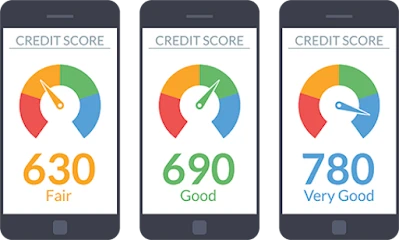
It’s easy to confuse a credit report with a credit score, but they are not the same thing. A credit score is a numerical representation of your creditworthiness, usually ranging between 300 and 850. It is calculated using data from your credit report, such as payment history, amounts owed, length of credit history, new credit, and credit mix.
In contrast, your credit report is the full record of your credit history — the data that influences your score. So, when you ask what a credit report is, think of it as the full story, whereas the credit score is the summary.
How to Get Your Credit Report
In the United States, you're entitled to a free credit report once a year from each of the three major credit bureaus. To request your credit report, visit a government-authorized platform or get in touch with a reliable financial services company like Eco Credit Group.
At Eco Credit Group, we help individuals access, understand, and improve their credit reports. Whether you're building credit for the first time or repairing past issues, we offer personalized credit guidance and tools to help you take control of your financial future.
How to Read and Understand Your Credit Report
Once you obtain your report, here’s how to interpret it:
- Check Personal Information: Ensure your name, address, and Social Security number are accurate.
- Review Account History: Look at open and closed accounts, checking for payment history and accuracy.
- Look for Errors: Incorrect balances, unfamiliar accounts, or outdated records should be disputed.
- Assess Your Credit Health: Late payments, high balances, or negative marks give insight into what needs improvement.
If you notice errors or suspicious activity, contact the credit bureau to initiate a dispute. Eco Credit Group can assist you in reviewing your report and guiding you through the dispute process.
Tips to Maintain a Healthy Credit Report
Maintaining a strong credit report is essential for your financial well-being. Here are some basic tips:
- Pay Bills on Time: Consistent, on-time payments improve your report and score.
- Keep Credit Utilization Low: Try to use less than 30% of your available credit.
- Avoid Opening Too Many Accounts Quickly: Multiple hard inquiries in a short time can hurt your score.
- Monitor Your Report Regularly: Stay informed of any changes or inaccuracies.
Eco Credit Group offers ongoing support and insights to help you maintain and improve your credit profile over time.
Final Thoughts
So, what is a credit report? It’s much more than just a list of debts — it’s a powerful financial tool that lenders use to evaluate your trustworthiness. Understanding your credit report is essential for making informed financial decisions and achieving your long-term goals. By staying informed and proactive, and partnering with trusted professionals like Eco Credit Group, you can ensure your credit report works in your favor.
If you’re new to credit or working on rebuilding your financial profile, reach out to Eco Credit Group for expert guidance, credit education, and support tailored to your needs.
Start managing your credit responsibly today! For more information call and email us:
📞 Call Us Now: (321) 613-8418
📧 Email: [email protected]
🌐 Website: https://www.ecocreditgroup.com/
📍 Location: 3000 Stirling Rd Hollywood, FL 33021
























Sign in to leave a comment.