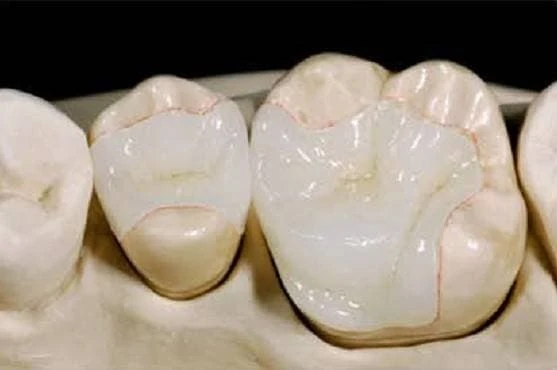

Understanding what a dental onlay near me is and when it becomes necessary can help individuals make informed decisions about their oral health and treatment choices. A dental onlay is a type of indirect dental restoration used when a tooth has been damaged by decay or wear but is not damaged enough to require a full dental crown. It helps restore the shape, strength, and function of the tooth while preserving as much natural tooth as possible. The procedure offers a durable and long lasting solution that blends with natural teeth and provides an excellent alternative to fillings or crowns in many situations.
What Is a Dental Onlay
A dental onlay is a customized restoration placed over the damaged portion of a tooth. It covers a larger area than a regular filling and sometimes extends over the chewing surface. The material used for an onlay can vary, including porcelain, ceramic, composite resin, or gold. Porcelain and ceramic are often chosen because they match the natural teeth and provide a natural looking result.
How Dental Onlays Are Made
Unlike a typical filling that is shaped directly inside the tooth, a dental onlay is created outside the mouth in a dental lab. The dentist takes an impression of the damaged tooth and then a professional fabricates the onlay with precise accuracy. Once ready, the onlay is bonded to the tooth to restore its shape and functionality.
How Dental Onlays Differ from Other Restorations
Dental onlays often get compared with dental inlays, fillings, and crowns. Fillings are used for smaller cavities. Inlays are placed inside the grooves of the tooth without covering the cusps. Dental crowns cover the entire tooth. A dental onlay bridges the gap between these treatments. It repairs moderate damage without requiring full coverage and without removing more healthy tooth structure than necessary.
When Do You Need a Dental Onlay
Choosing the right restoration depends on the condition of the tooth. People searching for a dental onlay near me often do so because they may have a damaged tooth that is no longer suitable for a filling but still does not require an entire crown.
Cases of Moderate Tooth Decay
If decay is too large for a filling but not severe enough for a crown, a dental onlay may be ideal. It restores the integrity of the tooth while preventing further decay or fracture.
Fractured or Cracked Teeth
Teeth with cracks can benefit from an onlay because the restoration strengthens the structure and prevents the crack from spreading. Onlays support the cusps of the tooth, which makes them perfect for stabilizing weak or vulnerable areas.
Replacement of Old or Failing Fillings
Over time, fillings can weaken or crack. When a filling becomes worn down or begins to separate from the tooth, it creates space for bacteria to enter. Replacing an old filling with an onlay provides stronger support and better long term protection.
Tooth Preservation
Many people prefer treatments that preserve natural teeth whenever possible. Onlays require less removal of healthy enamel, making them a conservative and effective treatment option.
Benefits of Dental Onlays
Dental onlays come with several advantages that make them an appealing choice for many individuals. They provide long term strength and protection, offering a reliable way to restore dental function and improve oral health.
Long Lasting Durability
Dental onlays are known for their strength and longevity. With proper care, they can last many years. The materials used are resistant to wear which makes them ideal for back teeth where chewing force is greatest.
Natural Looking Appearance
Porcelain and ceramic onlays are designed to match the natural color and shape of teeth. They blend seamlessly with surrounding teeth and provide an aesthetically pleasing result.
Strengthens the Tooth Structure
One of the most significant benefits of dental onlays is their ability to reinforce the tooth. They help distribute biting pressure evenly, reducing the likelihood of cracks or breakage in the future.
Better Fit and Precision
Because dental onlays are custom fabricated, they fit the tooth more accurately than many other restoration methods. This exact fit helps create a secure seal that prevents bacteria from entering gaps or weak areas.
The Process of Getting a Dental Onlay
Dental onlay treatment typically takes place over two appointments. During the first visit, the dentist will remove decay or damage, take impressions, and apply a temporary restoration. During the second visit, the permanent onlay is bonded securely to the tooth.
First Appointment
The dentist prepares the tooth by removing damaged areas. An impression is taken and sent to the lab where the custom onlay is designed. A temporary onlay protects the tooth while the permanent version is being created.
Second Appointment
During the second visit, the temporary onlay is removed and the final restoration is bonded onto the tooth. The dentist ensures proper fit, shape, and bite alignment.
Caring for a Dental Onlay
Dental onlays require routine oral care just like natural teeth. Regular brushing, flossing, and dental checkups will help keep the onlay and surrounding teeth healthy. Avoiding habits such as chewing hard objects or grinding teeth may help prolong the restoration.
Conclusion
A dental onlay is an excellent restorative option for individuals with moderate tooth damage who want a durable and natural looking solution. It offers protection, stability, and long term comfort while preserving as much natural tooth as possible. For anyone searching for a dental onlay near me and considering restorative treatment, exploring this option can lead to improved oral health, comfort, and confidence. To learn more or schedule an appointment, individuals can connect with Clove Dental Riverpark.


























Sign in to leave a comment.