

Drones can be useful tools for photography, surveying, inspections, logistics, and many other applications. At the same time, an unidentified UAV near a restricted or sensitive area can create uncertainty. A drone detector helps address that gap by monitoring the surrounding environment for signs associated with unmanned aircraft. Understanding how these systems work can help organizations assess detection needs and choose suitable equipment for their operating environment.
Turning Drone Activity Into Detectable Signals
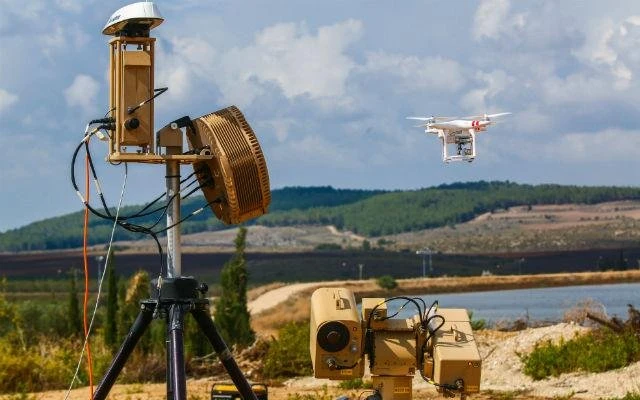
A drone detector is designed to identify indicators that may suggest the presence of a UAV. Many detection systems monitor radio-frequency (RF) activity associated with communication between a drone and its controller. Some systems can also use other detection technologies, depending on their design.
When a potential signal is identified, the system processes the available information and can generate an alert. This gives personnel an opportunity to assess the situation rather than relying entirely on visual observation.
A typical detection process may involve:
- Monitoring relevant signal activity
- Identifying patterns associated with UAV communications
- Processing detected information
- Generating an alert
- Providing available information to the operator
The exact capabilities vary between systems, so detection range, signal coverage, identification features, and environmental performance should be considered separately.
Why RF Detection Can Matter
Many consumer and professional drones communicate with a controller or another network using wireless signals. An RF-based drone detector can monitor the radio environment for activity that may correspond to these communications.
This approach can be useful because a drone doesn't always remain easy to see. Trees, buildings, distance, darkness, and weather can make visual observation difficult. Electronic detection provides another source of information that can alert personnel to possible UAV activity.
However, RF detection isn't universal. Some drones may use communication methods or configurations that affect how easily their signals can be detected. For that reason, detection technology should be matched to the types of UAVs and operating conditions expected at a particular site.
From Detection to Location Awareness
Identifying that something may be a drone is only part of the process. Many systems are designed to provide additional information that can help personnel understand where potential activity is coming from.
Depending on the equipment, a system may provide information such as:
- Approximate direction of a detected signal
- Signal characteristics
- Potential drone or controller information
- Detection alerts
- Activity within a defined monitoring area
A portable drone detector can be particularly useful when personnel need to move between different locations. Instead of being tied to one installation point, a handheld or mobile unit can accompany security teams during temporary operations or changing site conditions.
Fixed Detection for Continuous Coverage
Some locations require monitoring that remains active around a defined perimeter. In these situations, long range fixed drone detection can provide a persistent detection layer.
Fixed systems are generally positioned at strategic locations to monitor an established area. Their effectiveness depends on factors such as terrain, antenna placement, surrounding structures, signal conditions, and the capabilities of the selected equipment.
A fixed setup can be useful for facilities where drone activity needs to be monitored continuously. Airports, industrial sites, critical infrastructure, correctional facilities, and other sensitive locations may have different requirements, so system configuration needs to reflect the individual site.
Portable and Fixed Systems Serve Different Needs
A portable drone detector and a fixed detection system aren't necessarily competing solutions. They can address different operational requirements.
Portable equipment can provide flexibility when personnel need to monitor changing locations. Fixed equipment can support continuous coverage from established positions.
A combined approach may include:
- Fixed detection around key areas
- Portable equipment for mobile teams
- Centralized monitoring where supported
- Additional visual or tracking technology
- Established procedures for assessing alerts
UAV-Defence operates within this broader field of UAV detection technology, where fixed and mobile systems can be considered according to coverage requirements and deployment conditions.
What Can Affect Detection Performance?
No drone detector should be expected to perform identically in every environment. Physical and electronic conditions can influence detection.
Buildings and other structures may block or weaken signals. Hills and dense vegetation can also affect coverage. Nearby wireless devices may contribute to a crowded RF environment. Drone design, transmission methods, altitude, distance, and operating mode can also influence what a system detects.
Important factors to evaluate include:
- Required detection distance
- Site size and layout
- Terrain and physical obstacles
- Expected UAV types
- Radio-frequency environment
- Indoor or outdoor deployment
- Number and placement of detection units
- Integration requirements
Testing equipment in realistic conditions can provide a clearer understanding of how coverage may perform at a specific location.
Detection Doesn't Automatically Mean Identification
The terms "detection" and "identification" are sometimes used interchangeably, but they can describe different stages of awareness. Detection generally means that the system has identified an indication consistent with possible UAV activity. Identification may involve de





















Sign in to leave a comment.