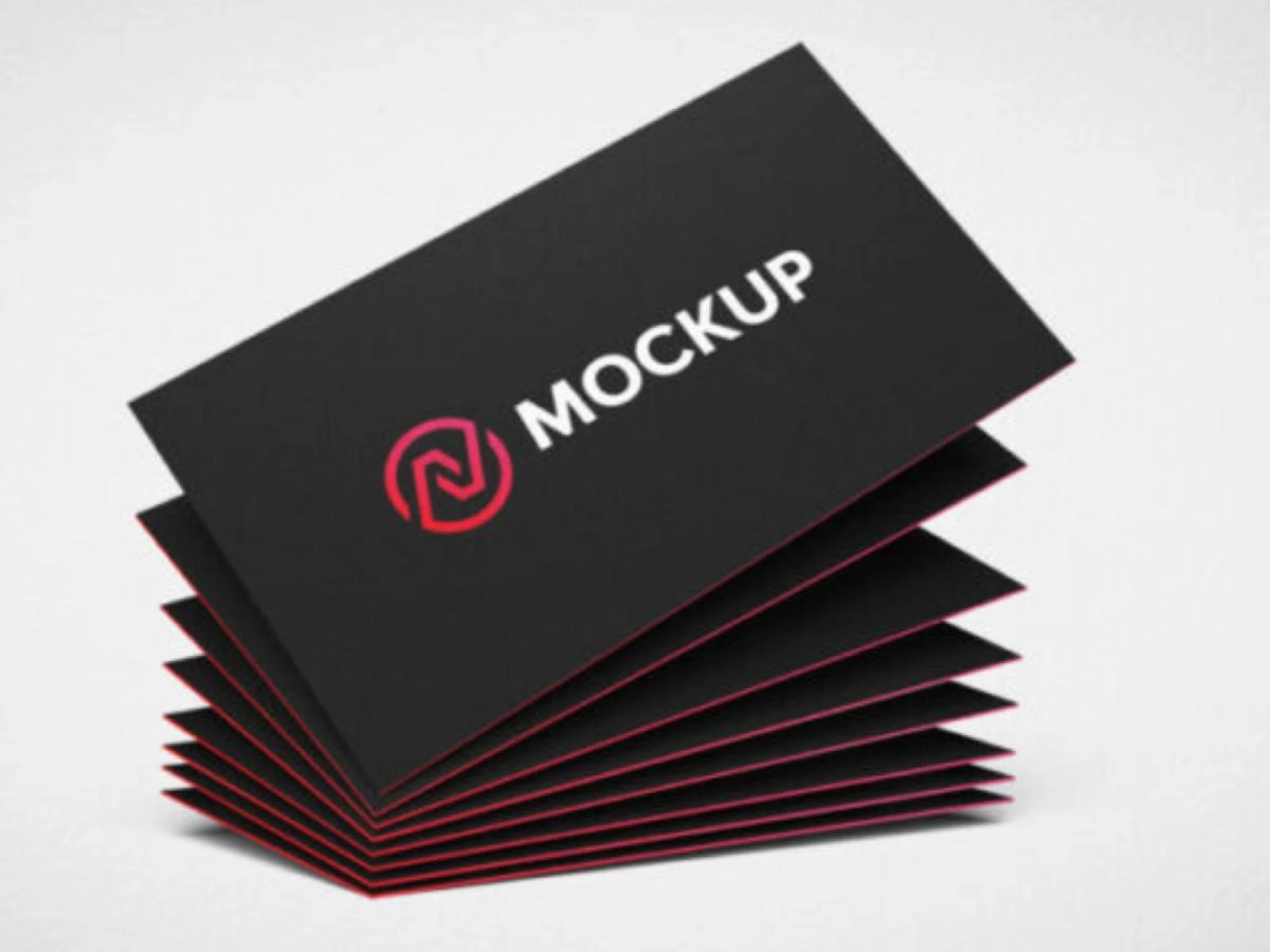
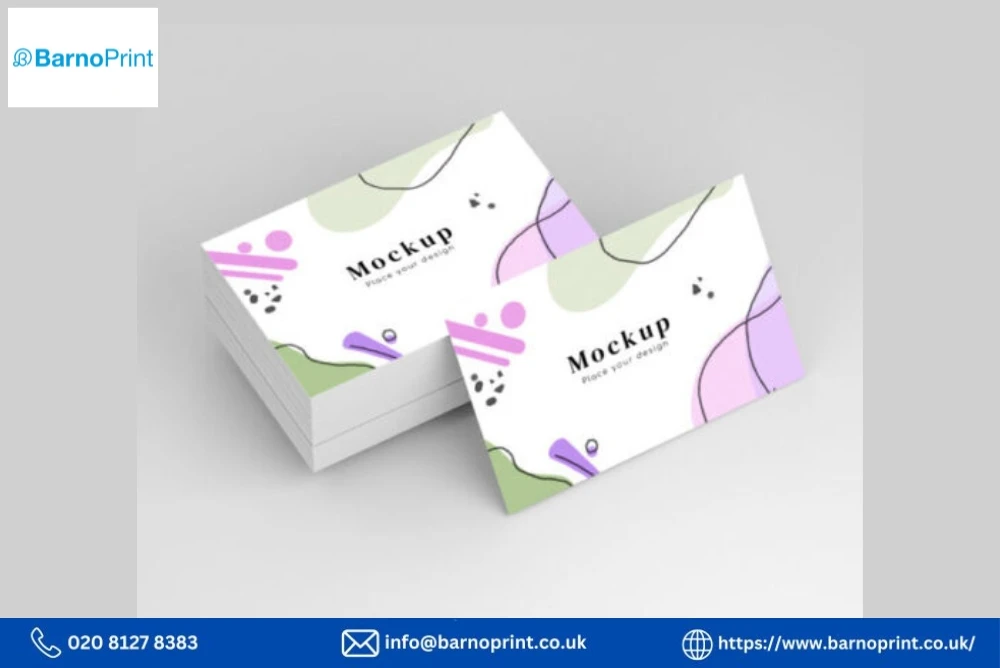
Laminated business cards are a staple in professional branding, offering durability, high-quality finish, and a premium feel. Used by businesses across sectors, these cards serve multiple functions beyond just sharing contact details. From boosting brand presence to lasting longer in wallets and on desks, laminated cards are both practical and visual assets, much like electronic business cards, which modernize how professionals share contact information digitally.
This article explores what laminated business cards are used for, how they compare to uncoated versions, their benefits, and who they suit best.
What is a Laminated Business Card?
A laminated business card is a standard card enhanced with a thin plastic coating that protects the printed surface. This lamination adds a layer of strength, giving the card a polished appearance and a tactile edge. It prevents wear and tear, helping the card retain its shape, colour, and clarity over time.
The lamination can be done in different finishes, such as gloss laminate, matt laminate, or soft touch laminate. Each offers a unique look and feel depending on your business needs. Compared to uncoated business cards, laminated cards resist fingerprints, moisture, and fading, which makes them ideal for long-term use.
Main Uses of Laminated Business Cards
Laminated cards are used across industries for clear, professional presentation. They are most commonly used for:
- Professional contact sharing: Whether at networking events or client meetings, laminated business cards present your details in a clean, scannable format.
- Client-facing interactions: Professionals such as consultants, designers, and real estate agents use these to leave a lasting impression.
- Events and networking: A durable card with standout design can ensure you're remembered after large exhibitions or conferences.
- Loyalty cards: Many retail and beauty businesses use laminated cards for loyalty stamps because they withstand constant handling.
- Appointment cards: These are ideal for salons, dentists, and other appointment-based services. The laminate protects the printed content for repeat reference.
Benefits of Using a Laminated Business Card
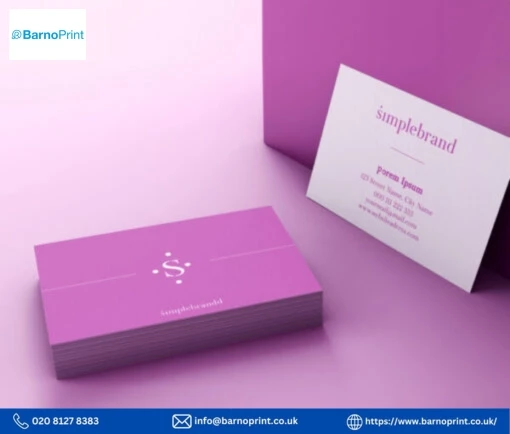
The primary advantage of a laminated business card lies in its durability. The lamination protects against scratches, spills, and general wear. This means your brand remains intact long after the first meeting.
Moisture resistance ensures your card doesn’t crumple or fade when exposed to water, making it suitable for outdoor trades or mobile businesses. The lamination also preserves colour vibrancy, helping logos and personal information stay sharp.
Printed artwork, especially those with embedded contents or fine detailing, looks more professional and lasts longer under lamination. When combined with foil or spot UV elements, laminated cards create a premium business card finish without compromising legibility or branding.
Common Laminated Finishes and Their Purpose
Lamination isn’t one-size-fits-all. Businesses can choose from a variety of finishes based on their branding needs:
- Matt laminate offers a smooth, non-reflective surface. It gives off a professional tone and is ideal for minimal, elegant designs. Matt laminated business cards are popular among corporate sectors.
- Gloss laminate provides a shiny finish that enhances colour contrast and depth. It’s commonly used for creative and retail businesses that want their branding to pop.
- Soft touch laminate delivers a velvety texture, offering a tactile experience that sets cards apart. It’s particularly effective for premium business card presentations.
- Foil and Spot UV can be applied over laminate for added visual appeal. Spot UV highlights specific areas, such as logos, while foil can be used for text or borders.
When to Choose Laminated Over Uncoated Cards
While uncoated business cards are ideal for writing on or short-term use, laminated business cards are preferable in high-handling situations. Businesses that attend regular trade shows, distribute cards at outdoor events, or work in mobile services benefit from the added protection.
Laminated cards also enhance brand perception.
A well-designed card with a professional laminate shows attention to detail and commitment to quality. For businesses relying on visual identity, such as those in fashion or hospitality, this added layer can make a lasting impression.
Industries That Commonly Use Laminated Business Cards
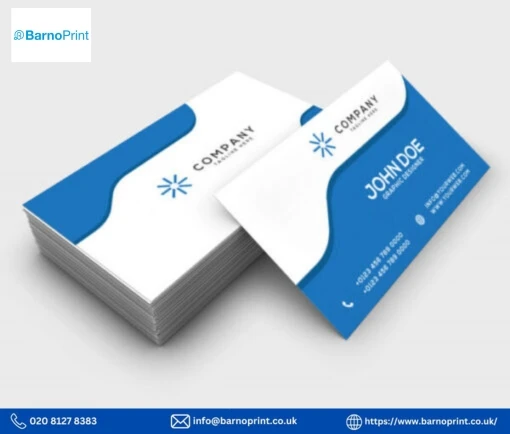
Laminated cards are standard across several sectors due to their adaptability and quality. Common users include:
- Real estate: Agents benefit from glossy, professional cards that reflect high property value and trust.
- Beauty and wellness: Salons and therapists often use appointment cards printed on laminated cardstock to maintain hygiene and quality.
- Corporate and consultancy: Firms rely on premium business cards to establish credibility in first impressions.
- Retail and hospitality: Loyalty cards, staff business stationery, and promotional materials like swing tags often use lamination to extend lifespan.
Things to Consider Before Printing
Choosing the right laminated business card involves more than selecting a finish. Cardstock thickness, typically measured in microns or GSM, determines the sturdiness of the card. Thicker cards feel more substantial and are better suited for lamination.
Print ready artwork must align with artwork guidelines to avoid distortion or blurring during the lamination process. Consider whether you want single sided or double sided printing, rounded corners for extra polish, or square business card formats.
The choice between matt laminated, gloss laminated or soft touch should reflect your brand identity. For instance, metallic business cards might use foil lamination for added effect, while eco friendly business cards may use recyclable laminate to reduce environmental impact.
Print laminated cards with chosen printing options that align with your business goals. If you offer folded business cards or embedded catalogues, lamination might also help improve shelf life and delivery condition.
Frequently Asked Questions (FAQs)
Q: What are laminated business cards used for?
A: Laminated business cards are used to share contact details, book appointments, build brand image, and provide loyalty offers across various industries.
Q: Are laminated business cards better than uncoated ones?
A: Yes, laminated business cards last longer, resist wear and moisture, and give a more professional look compared to uncoated cards.
Q: Which finish is best for laminated business cards?
A: Matt is best for a clean, professional look, gloss adds shine and colour depth, while soft touch gives a smooth, premium feel.
Q: Who should use laminated business cards?
A: Businesses like salons, real estate agents, consultants, and retail shops use laminated business cards to boost brand quality and durability.
Q: Can laminated business cards be recycled?
A: Yes, some laminated business cards use recyclable films, making them a great eco-friendly choice for sustainable printing needs.
Final Words
Laminated business cards are essential for businesses seeking a professional, long-lasting impression. With finishes ranging from matt to gloss and options like foil or Spot UV, they adapt to nearly every industry and purpose.
Whether you're handing out cards at a corporate event or including them with product delivery, laminated cards enhance brand recognition and functionality. For professionals who value durability, design clarity, and premium appeal, investing in laminated business card printing is a smart, impactful choice.
From loyalty schemes to appointment cards, laminated options ensure your personal and business information remains protected, presentable, and ready for any opportunity.
























Sign in to leave a comment.