
Nutritionists and dietitians are foundational in health and wellness, guiding individuals toward optimal nutrition and dietary practices. Despite their common goal of advancing health through food, there are distinctive differences between these two professions.
Nutritionists often focus on general dietary patterns and wellness counseling, while dietitians may work within more clinical settings, devising meal plans for medical interventions. Their educational backgrounds, certifications, and regulatory frameworks also differ significantly. This exploration delves into the nuances between nutritionists and dietitians, helping you discern which professional to consult for your nutritional needs.
```
Who is a nutritionist?
A nutritionist is a professional who advises on food intake and diet, aiming to enhance an individual's health and well-being. Unlike dietitians, the term "nutritionist" is not always regulated, meaning the level of education and qualifications can vary significantly. Typically, a nutritionist will:
Conduct comprehensive evaluations of a client's dietary habits and health needsCreate personalized nutrition plans and offer guidance on healthy food choicesEducate clients on the impact of nutrition on one's overall healthStay current on the latest nutrition science researchExamples of Nutritionists' Roles
Community Nutritionist: These nutritionists work within public health organizations to create programs and resources to help improve the dietary choices of populations.Sports Nutritionist: Specializing in the nutritional needs of athletes, these professionals craft meal plans to enhance sports performance and recovery.Corporate Nutritionist: Many large companies hire nutritionists to provide their workforce with workshops and personalized dietary advice to promote health and reduce illness-related absenteeism.
Remember, while some nutritionists hold certifications in specialized fields and have obtained advanced degrees, others may have less formal training or certifications. Researching a nutritionist's qualifications is essential to ensure they're equipped to meet your specific health requirements.
What are the tasks of a nutritionist?
Tasks of a Nutritionist
A nutritionist's duties are multifaceted, involving both direct client interaction and behind-the-scenes research and planning. Their primary tasks include:
Assessing Nutritional Needs: Nutritionists evaluate clients' health, dietary restrictions, and lifestyle to determine nutritional needs and set goals.Developing Meal Plans: Creating personalized meal recommendations tailored to clients' goals, like weight loss, health management, or overall well-being.
Monitoring Progress: They track clients' progress, adjusting the nutritional plan as needed based on follow-up assessments and feedback.
Providing Education: Educating clients on the science of nutrition and how different food components affect the body is a key part of a nutritionist's role.Staying Informed: Keeping abreast of the latest nutritional science research, which may involve attending conferences, reading professional journals, and participating in webinars.Collaborating with Healthcare Providers: Often, nutritionists work alongside physicians, therapists, and other healthcare practitioners to coordinate care and ensure that dietary plans support clients' overall health strategies.
For instance, a nutritionist might create a heart-healthy diet plan for a client with high blood pressure or design a high-protein diet for a post-operative patient to aid recovery. They could run a workshop at a local community center educating residents on the benefits of whole grains or develop a webinar series on nutrition for busy professionals. Each task is performed with the ultimate aim of enriching the client's health and nutritional knowledge.
Who is a dietitian?
A dietitian is a certified healthcare professional who has met stringent educational and ethical standards to specialize in dietetics. Often referred as a registered dietitian (RD) or registered dietitian nutritionist (RDN), these experts approach nutrition as a science and therapeutic modality. Dietitians not only create dietary programs but also diagnose and treat nutritional problems. Unlike the broader title of "nutritionist," a dietitian's qualifications include:
A minimum of a bachelor's degree in dietetics, nutrition, or a related fieldCompletion of an accredited, supervised practice programPassing the national examination by the Commission on Dietetic Registration (CDR).Ongoing professional educational requirements to maintain registration
Examples of Dietitians' Roles
Clinical Dietitian: Clinical dietitians work in hospital settings, contributing to patient healthcare by managing nutrition therapy, often for individuals with specific medical conditions like diabetes or kidney disease.Public Health Dietitians: These professionals focus on improving the public's health by developing nutrition policies and programs that promote healthy eating habits across communities.Food Service Dietitian: Operating within institutional settings like schools and corporate cafeterias, they oversee menu planning, ensuring meals meet certain nutritional standards.
In the U.S., the profession is governed by specific licensure laws varying from state to state, reinforcing dietitians' credibility and expertise. For example, a dietitian at a Miami hospital may collaborate with doctors to manage a patient's nutrition post-cardiac surgery.
Alternatively, a dietitian in Seattle might host a local TV segment to educate on reducing sugar intake. Dietitians provide critical input that encompasses the totality of an individual's health and wellness by considering how dietary interventions can prevent or manage diseases.
What Does a Dietitian Do?
Dietitians are vital healthcare community members with a wide range of responsibilities that help improve individuals' eating habits and health. Below are examples of what a dietitian can do:
Medical Nutrition Therapy: Conduct comprehensive nutritional assessments and develop personalized intervention strategies for diabetes, heart disease, or gastrointestinal disorders.Weight Management Counseling: Provide evidence-based weight loss or gain counseling, incorporating behavioral strategies and nutritional guidance.Food Allergy Management: Assist clients in identifying and managing food allergies or intolerances, like gluten sensitivity or lactose intolerance, through meal planning and education.Pediatric Nutrition: Specialize in the nutritional needs of children, aiding in the development of healthy eating habits and addressing concerns like childhood obesity or eating disorders.Sports Dietetics: Work with athletes to enhance their performance and recovery by tailoring nutrition plans that support rigorous training and athletic goals.Corporate Wellness: Consult for businesses to design workplace wellness programs focusing on nutritious meal options and employee education, aiming to improve productivity and reduce sick days.Community Education: Offer workshops, seminars, or cooking demonstrations to educate the public about nutrition and promote healthier community food environments.
For instance, a dietitian might:
Spearheaded a New York City school district program to incorporate more whole foods into student lunches, decreasing the prevalence of processed options on the menu.Collaborate with a clinic in San Francisco to facilitate a support group for those with type 2 diabetes, focusing on carbohydrate counting and blood sugar management through diet.Organize a supermarket tour in Minneapolis where they teach consumers how to read nutrition labels and make healthier food choices while shopping.In each role, a dietitian applies their specialized knowledge to encourage better nutritional practices and outcomes, making critical contributions to individual and public health.
Differences Between Nutritionists and Dietitians
While people often use the terms "nutritionist" and "dietitian" interchangeably, they refer to distinct professions within the field of nutrition, each with its scope of practice, educational requirements, and regulatory frameworks. The main differences include:
Education and Certification
Nutritionist: Typically, the title "nutritionist" is less regulated than "dietitian." In some areas, anyone may call themselves a nutritionist regardless of their level of education or expertise. However, there are also certified nutrition specialists (CNS) who hold advanced degrees and are certified by the Board for Certification of Nutrition Specialists (BCNS).Dietitian: As mentioned earlier, a registered dietitian is a protected title requiring specific academic and professional criteria, including a minimum bachelor's degree, a supervised practice program, passing a national examination, and maintaining ongoing education.Scope of Practice
Clinical Authority: A dietitian has the authority to diagnose and treat dietary and nutritional problems clinically, often within institutional settings like hospitals or clinics.General Advice: A nutritionist generally provides general guidance on food and nutrition and may work in non-clinical settings like health food stores or wellness centers.Examples of Professional Roles
Nutrition Educator: A nutritionist might conduct workshops at a health food store in Portland, teaching attendees how to incorporate superfoods into their diet for better health.Health Coach: A nutritionist in Los Angeles can also be a health coach who offers one-on-one sessions to clients looking to improve their lifestyle habits.Hospital-Based Specialist: A dietitian could be part of an interdisciplinary team at a Chicago hospital, creating specific nutritional plans to help manage a patient's chronic illness.By clarifying these differences, the public can make more informed decisions about which type of professional to consult based on their healthcare needs and goals. Each role is vital to the broader objective of enhancing health through nutrition.
Things to check before opting for nutritionist services
When seeking the services of a nutritionist, it's essential to do your due diligence to ensure that the professional you choose can effectively meet your health and dietary needs. Here are some critical factors to consider:
Credentials and Education: Investigate the nutritionist's qualifications. Look for credentials such as a Registered Dietitian Nutritionist (RDN) or a Certified Nutrition Specialist (CNS), which indicate formal education and certification.Specializations: Check if the nutritionist has expertise in areas relevant to your health concerns. For example, if you have diabetes, look for someone specializing in diabetes management.Experience: Consider the length and type of experience they have. Someone with several years of practice in a specific area may provide more nuanced advice than someone new to the field. Personal Approach: The nutritionist's approach to diet and lifestyle changes should align with your preferences and beliefs. Some may focus on plant-based diets, while others might advocate for high-protein diets.Reviews and Testimonials: Check client reviews or testimonials for insight into their satisfaction with the services offered.Compatibility: You'll be discussing personal information with your nutritionist, so choosing someone you are comfortable speaking with is vital.Accessibility: Make sure their location, office hours, and policies around follow-up and communication suit your schedule and needs.Insurance and Costs: Determine whether the nutritionist accepts your health insurance or if you must pay out of pocket. Be clear about costs upfront to avoid surprise bills later on.For instance:
You might check a nutritionist's credentials on the Academy of Nutrition and Dietetics' online directory to verify they hold an RDN.If you're interested in weight management, seek someone with experience in behavioral change techniques and a holistic wellness approach.Read through online reviews on Yelp or Healthgrades to gain insight into other clients' experiences.By considering these factors, you can ensure you select a nutritionist who is well-suited to help you achieve your health goals.
What services a nutritionist can provide you
A nutritionist can offer various services to help individuals improve their dietary habits and overall well-being. The services provided can include, but are not limited to:
Personalized Nutrition Plans
Meal Planning: Crafting customized meal plans that suit your dietary preferences and nutritional needs, whether you want to lose weight, gain muscle, or manage a health condition.Recipe Development: Providing healthy recipes to diversify your diet and introduce new, nutritious options into your routine.Educational Resources and Programs
Workshops and Seminars: Hosting informative sessions on various nutrition topics, such as understanding food labels or cooking for heart health.Written Materials: Offering brochures, blog posts, and newsletters with nutrition and preventive health care tips.Lifestyle and Behavior Modification
Goal Setting: Helping you set realistic and achievable dietary goals and providing the tools to track your progress.Behavioral Counseling: Working with you to identify and change eating behaviors hindering your health progress.Specialized Nutrition Support
Sports Nutrition: Advising athletes on optimal nutrition for enhancing performance and recovery.Preventive Nutrition: Guiding individuals on how to use nutrition to prevent or manage chronic diseases such as diabetes or heart disease.Collaboration with Medical Professionals
Coordinated Care: Collaborating with your health care team to ensure your nutrition plan supports your overall medical care.For example:
If you are an athlete, a nutritionist might work with you to increase your carb intake in the days leading up to a major event, a technique known as carb-loading.Someone struggling with high cholesterol might receive a tailored plan focusing on foods rich in omega-3 fatty acids and soluble fiber, which are known to help lower cholesterol levels.They might also teach a series of classes at a community center focused on nutrition for seniors, highlighting the importance of calcium and vitamin D for bone health.These services highlight the versatility of nutritionists in addressing a broad spectrum of nutrition and health goals. Choosing a professional who can offer the specific services you need to support your unique path to better health is important.
Top 3 Nutritionist Web-Based Services You Can't-Miss in 2024
In the dynamic world of online health and wellness, keeping up with top-tier nutrition platforms is key to maintaining a balanced lifestyle. Here are three web-based nutritionist services that stand out in 2024:
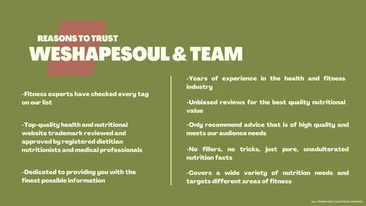
WeShapeSoul.comTailored Health and Nutrition Insights: WeShapeSoul emerges as a leader in personalized wellness. This platform cuts through the noise, offering health and nutrition information crafted by experienced fitness industry pros.Expert-Led Guidance: Backed by certified dietitian nutritionists and fitness experts, this site assures the accuracy and relevance of every piece of advice.Focused on Your Needs: The content is free of fluff, concentrating solely on high-quality, actionable tips tailored to your specific requirements.In-Depth Product Reviews: Whether you're figuring out which supplements to take or searching for the best protein powders, WeShapeSoul's reviews are meticulously designed to provide top-notch quality.Empowering Blog Content: Achieve your fitness objectives with expertly crafted blog posts that guide you through the specifics of vitamins, minerals, and beyond. To discover the full spectrum of what this service offers, dive into their 'About Us' section.NutriTrackInnovative Meal Tracking: NutriTrack revolutionizes how you monitor your dietary intake with its intuitive meal-tracking system and extensive food database.Customizable Meal Plans: With AI-driven customization, NutriTrack helps design meal plans that align perfectly with your nutritional goals and taste preferences.Integration with Wearable Tech: It syncs seamlessly with various fitness devices, providing a holistic view of your health, from nutrient intake to physical activity.DietDesign ProHolistic Virtual Consultations: DietDesign Pro offers virtual one-on-one consultations with experienced nutritionists, making professional dietary advice accessible from anywhere.Interactive Educational Tools: Engage with a suite of interactive tools and educational resources that make learning about nutrition fun and informative.Supportive Community Forums: This platform's community forums allow you to connect with others on similar health journeys, fostering a supportive environment for shared growth and learning.Keep an eye on these exceptional online services to ensure your nutrition is on track, informed by the latest professional expertise, and personalized to meet your health objectives.
Conclusion
In summary, embracing the expertise of a nutritionist can profoundly impact your journey toward enhanced health and well-being. As we navigate the vast landscape of nutrition, the distinguished web-based services of 2024, such as WeShapeSoul.com, NutriTrack, and DietDesign Pro, offer personalized, accessible, and interactive platforms at the forefront of dietary management.
These platforms provide invaluable resources and community support, tailored to individual needs and backed by professional knowledge. As we prioritize our health, leveraging these top nutritionist services will be instrumental in achieving and maintaining a balanced, healthful lifestyle.



























Sign in to leave a comment.