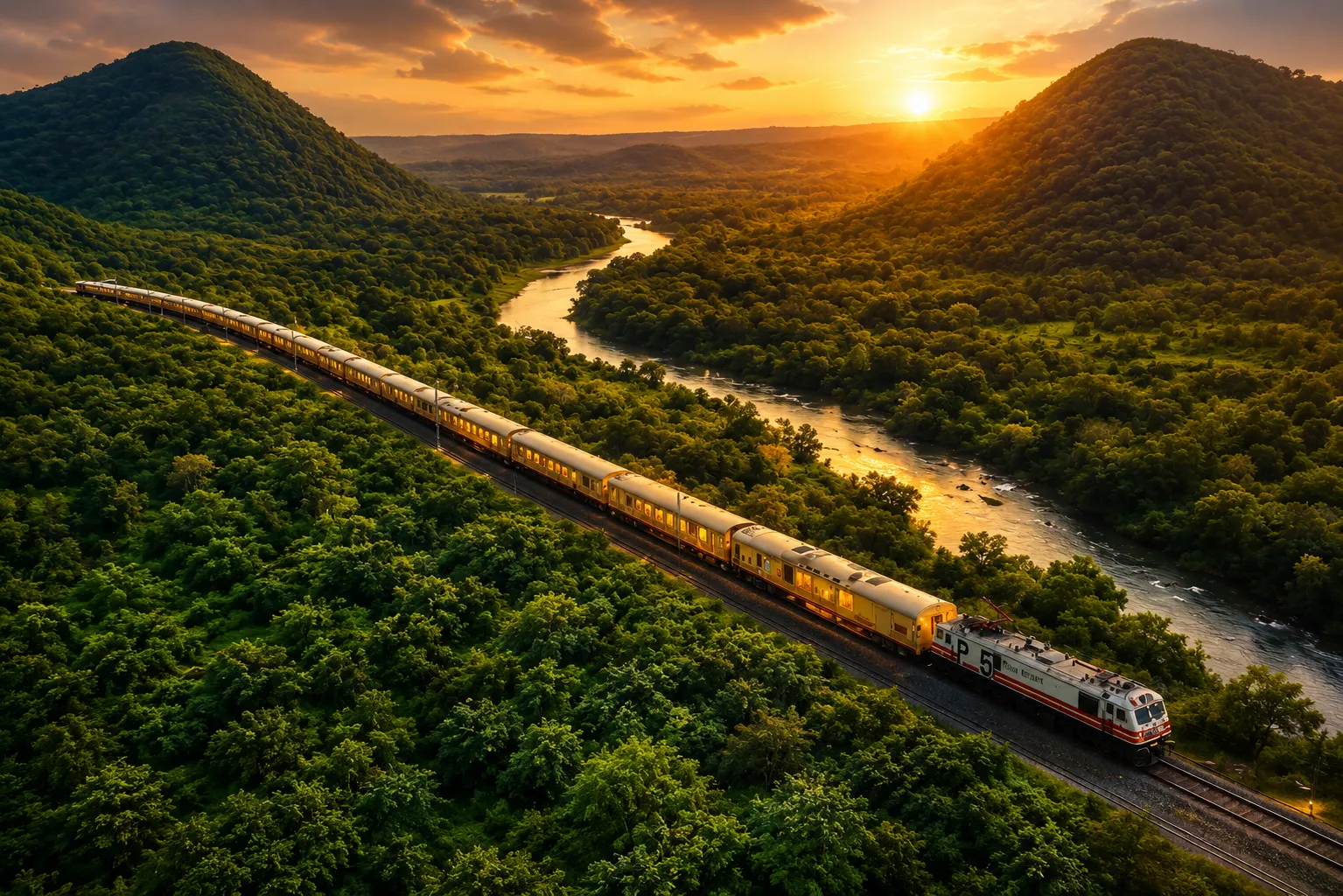

A luxury rail holiday is different from a conventional train journey and also from a road-based tour. Guests do not simply travel from one station to another. Their cabin remains with them throughout the journey while destinations, landscapes and experiences change each day.
The seven-night, eight-day route begins and concludes in New Delhi. Along the way, the train travels through Jaipur, Sawai Madhopur, Chittorgarh, Udaipur, Jaisalmer, Jodhpur, Bharatpur and Agra. This route introduces guests to Rajasthan’s royal cities, forts, palaces, desert landscapes and wildlife experiences before concluding with India’s celebrated Mughal heritage.
A typical day aboard the Palace on Wheels therefore has two connected parts: exploring the destination outside and enjoying royal hospitality inside the train. The exact timings and activities vary according to the city, operational conditions and current itinerary, but the overall rhythm remains consistent.
Waking Up Near a New Destination
One of the most distinctive aspects of the journey is waking up near a different destination. While guests sleep, the train covers part of the distance to the next city. This reduces the need for repeated hotel check-outs, airport transfers and long daytime drives.
The morning experience depends on the day’s programme. On certain days, guests may prepare for an early wildlife excursion, while other destinations allow a more relaxed start. The onboard team communicates relevant departure timings so guests can prepare without repeatedly organising their own transport.
Looking outside the window and finding that the surroundings have changed overnight creates a strong sense of movement. The cabin remains familiar, but the day offers a new landscape and cultural experience. This contrast is central to the appeal of a multi-destination luxury train holiday.
How Does Breakfast Fit into the Schedule?
Breakfast is coordinated with the day’s itinerary. Depending on arrival times and planned excursions, it may be served aboard the train or organised as part of the destination programme.
The purpose is not merely to provide a meal before sightseeing. Breakfast helps guests prepare for walking, road transfers and extended visits to forts, palaces or other attractions. On days with an early departure, efficiency becomes particularly important because the train’s itinerary must remain aligned with railway operations and local arrangements.
Guests should review the following day’s programme each evening. This helps them understand when to wake up, what to wear and whether breakfast will follow the regular onboard routine or a destination-specific arrangement.
Dietary requirements should be communicated before the journey and reconfirmed with the onboard team where necessary.
Leaving the Train for a Planned Excursion
After breakfast or an early refreshment, guests leave the train for the day’s principal excursion. Transfers and sightseeing are coordinated as part of the broader programme, reducing the need to arrange separate vehicles, guides and attraction visits in every city.
Each destination contributes something different to the route. Jaipur introduces travellers to the architectural and cultural character of the Pink City. Sawai Madhopur provides access to the Ranthambore region, while Chittorgarh is associated with one of Rajasthan’s most imposing fort complexes.
Udaipur brings lakes and palace architecture into the journey. Jaisalmer changes the visual landscape through the Thar Desert and its golden architecture, while Jodhpur introduces the heritage of the Blue City. Bharatpur adds a nature-focused experience, and Agra presents Mughal monuments before the return to New Delhi.
This variation prevents the journey from feeling like a repeated sequence of similar palace visits.
What Happens during Destination Sightseeing?
Sightseeing generally follows an organised structure, but the pace depends on the destination. Guests may travel from the station by coach or another arranged vehicle and visit selected attractions with guidance.
The programme is designed to highlight the identity of each city within the available time. This is important because a luxury train itinerary must coordinate railway schedules, road transfers, monument access, meals and the return of all guests before departure.
Travellers should wear comfortable footwear and carry essentials such as sun protection, water, any required medication and suitable clothing for the season. Rajasthan’s forts and palace complexes can involve substantial walking, uneven surfaces or steps.
Guests should also remain aware of the announced meeting times. Independent exploration may be possible during parts of an excursion, but returning late can affect the tightly coordinated schedule.
How Is Lunch Managed during the Journey?
Lunch arrangements can differ by day. Some meals may be served aboard the train, while others can form part of the destination experience. A locally arranged meal gives travellers another opportunity to connect with the place they are visiting.
The dining programme is designed around movement rather than forcing every meal into one fixed format. A day involving extensive sightseeing may require lunch away from the train, whereas another schedule may allow guests to dine onboard.
This flexibility helps maintain the balance between destination exploration and rail hospitality. Guests can experience food in different settings while continuing to rely on an organised programme.
Dietary restrictions should be communicated clearly, particularly when meals are arranged outside the train. Travellers with serious allergies may want to reconfirm requirements before each off-train dining experience.
Returning to the Train after Sightseeing
Returning to the train is an important transition in the day. After walking through monuments, travelling by road and absorbing a large amount of history, guests can return to the familiarity of their cabin.
This is when the value of travelling with the same accommodation becomes especially clear. There is no need to collect luggage, check into another hotel or repeatedly reorganise personal belongings. Clothes, travel essentials and evening attire remain in the cabin while guests explore different destinations.
Depending on the schedule, there may be time to shower, rest, review photographs or enjoy a quiet conversation before dinner. The onboard team prepares the train for the next stage while guests settle back into its calmer environment.
The contrast between active sightseeing and unhurried onboard time helps prevent the journey from feeling like a continuous guided tour.
Evening Hospitality as the Train Moves Forward
Evenings create another change in atmosphere. The day’s destination begins to recede, and the train prepares to move toward the next stop. Guests may spend time in their cabin or use the available shared areas before dinner.
This period encourages travellers to discuss what they saw, compare photographs and learn from other guests. Since the group travels together for several days, conversations often develop naturally. People who begin as strangers may gradually share meals and travel experiences.
The movement of the train adds a quality that cannot be reproduced in a stationary hotel. Landscapes change outside while the interior environment remains carefully managed for comfort.
The combination of movement, service and continuity is what distinguishes the experience from ordinary rail transportation.
Dining at Swarn Mahal and Sheesh Mahal
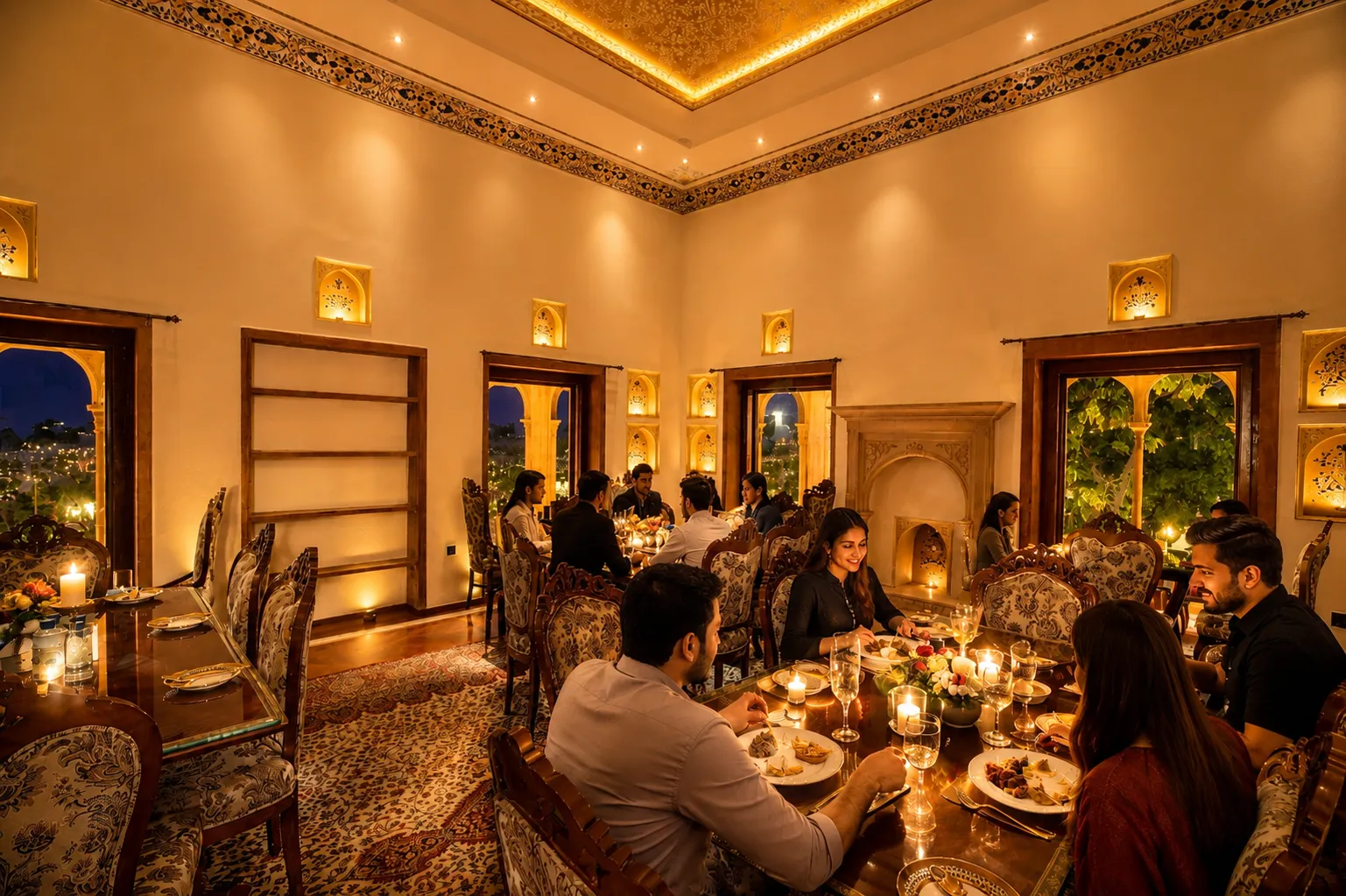
Dinner is an important part of the onboard experience. Swarn Mahal and Sheesh Mahal provide elegant restaurant settings where guests can dine after the day’s excursions.
The restaurants support the royal character of the train through their interiors and service style. Dining also creates a consistent evening ritual: guests return from the destination, refresh themselves and gather for a meal as the journey continues.
The cuisine can introduce travellers to Indian flavours while also addressing the varied preferences of domestic and international guests. As with all organised travel, the exact menu and service arrangements may change.
Guests should provide advance notice of vegetarian preferences, allergies or other dietary requirements. Clear communication allows the hospitality team to plan more effectively across the seven-night journey.
Retiring to the Cabin for Overnight Travel
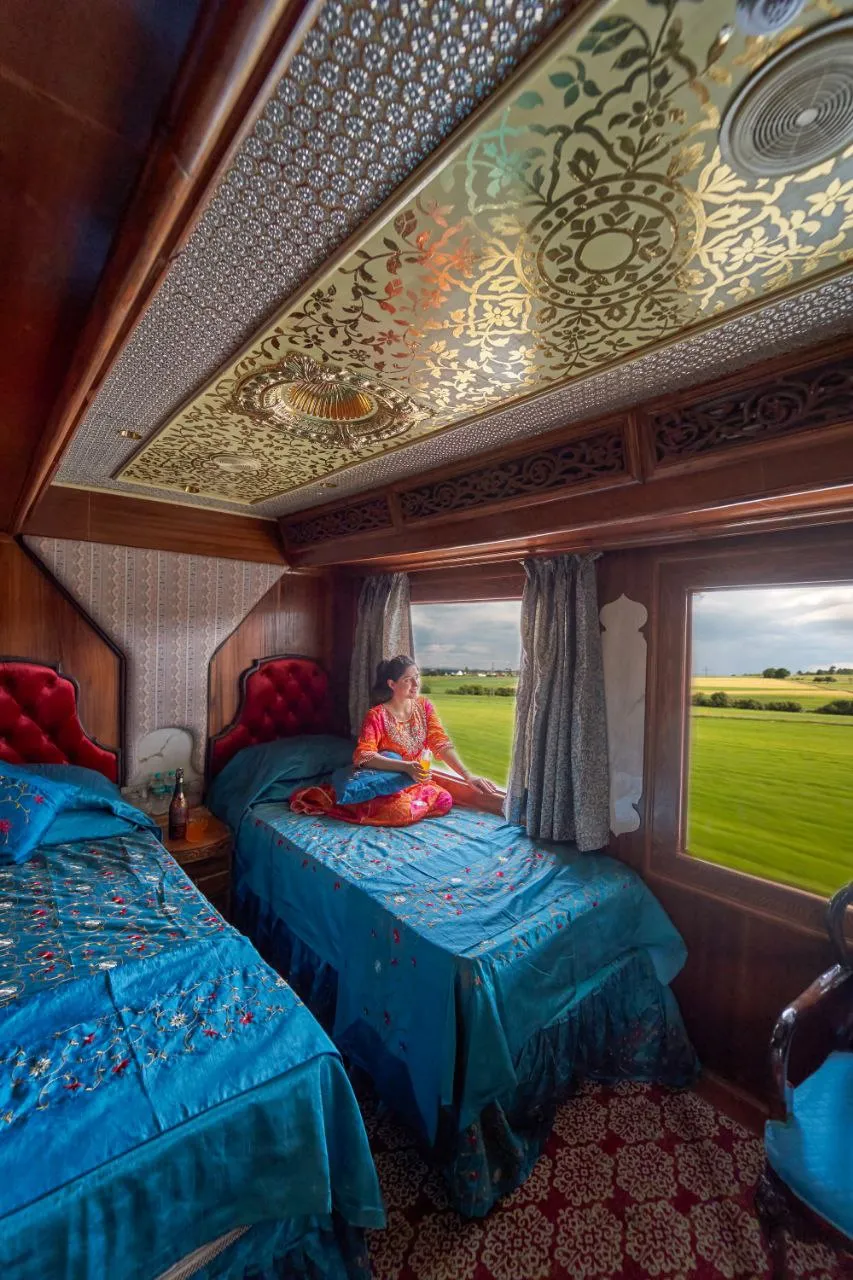
After dinner, guests return to their cabins as the train continues toward its next destination. The accommodation categories are inspired by Rajasthan’s dynastic and royal heritage, creating continuity between the places visited during the day and the environment onboard.
The official website currently describes several cabin categories, including Deluxe Cabins, Suite Cabins, Super Deluxe Cabins and a Presidential Suite cabin. Space, configuration and features differ, so travellers should study the category information carefully before booking.
Sleeping on a moving train can feel different from staying in a hotel. Railway movement, operational stops and track sounds remain part of the experience. Travellers should approach this as an essential element of luxury rail travel rather than expecting the train to behave like a stationary property.
Does Every Day Follow the Same Schedule?
No. The daily structure remains recognisable, but each destination requires different timing. A wildlife-related morning may begin earlier than a palace sightseeing day. Some cities involve longer road transfers, while others provide more time aboard the train.
Arrival and departure times may also be affected by railway operations or local conditions. Flexibility is therefore important. Guests receive a carefully arranged programme, but minor operational changes can occur.
Travellers should listen to daily briefings, check announced timings and avoid making independent commitments during scheduled stops. The benefit of an organised rail journey comes from allowing the onboard and ground teams to coordinate the moving parts of the experience.
Who Is This Style of Journey Suitable For?
The journey can suit couples, mature travellers, heritage enthusiasts, international visitors and families who appreciate structured cultural travel. It is particularly useful for guests who want to see several important destinations without managing separate hotels, transfers and daily transport.
However, travellers should evaluate the itinerary honestly. The route includes full sightseeing days, early starts and considerable walking. Guests with limited mobility should ask about steps, road transfers, monument access and assistance before booking.
Those seeking a completely unstructured holiday may find the fixed schedule less suitable. The experience is designed for travellers who value organisation, historic destinations and the convenience of returning to the same cabin after each excursion.
Why This Is More Than a Train Ride
The experience is often described as a Luxury Train in India, but its value comes from the integration of multiple services rather than the train alone. Accommodation, railway movement, destination transfers, sightseeing, dining and hospitality must remain coordinated throughout the route.
A conventional train carries passengers between stations. Here, the train becomes their accommodation, dining environment and consistent base while the journey moves across several destinations.
This means the hours onboard and the hours outside cannot be evaluated separately. A successful day depends on the smooth connection between the two: waking near a destination, exploring it through planned arrangements and returning to a familiar royal environment before travelling onward.
Which Is the Official Website of Palace on Wheels?
The Official Website of Palace on Wheels is operated through the Rajasthan Tourism Development Corporation’s official government domain.
Travellers should use the website to verify the current itinerary, departure dates, cabin categories, tariffs, inclusions, booking conditions and contact information. These details can change between travel seasons, and third-party articles may contain older schedules or prices.
The official source is particularly important before making payment. Travellers should confirm what the tariff includes, understand cancellation terms and ensure that the selected cabin category matches their requirements. International visitors should also verify documentation, payment and arrival requirements well before departure.
Final Thoughts
A typical day aboard Rajasthan’s royal train is built around contrast. Guests wake near a new destination, spend several hours exploring its history and culture, then return to the comfort of their cabin and onboard dining.
The schedule changes across Jaipur, Ranthambore, Chittorgarh, Udaipur, Jaisalmer, Jodhpur, Bharatpur and Agra, but the central experience remains consistent. Travellers unpack once while the journey brings several destinations to them.
This combination of organised exploration and overnight movement gives the holiday its distinctive rhythm. The train is not simply transportation between attractions. It is the connecting environment that turns separate city visits into one continuous royal journey across Rajasthan and beyond.
Frequently Asked Questions
What makes a luxury rail holiday different from a regular train trip?
A luxury rail holiday offers a unique experience where the train serves as both accommodation and transportation, allowing guests to explore multiple destinations without the hassle of frequent check-ins or transfers. Unlike conventional train journeys, guests enjoy royal hospitality and organized excursions, creating a seamless blend of travel and luxury.
How is the daily schedule organized on the Palace on Wheels?
While the daily structure is generally consistent, it varies based on the specific destination and activities planned. Each day may start at different times, especially for excursions like wildlife safaris or palace visits, and guests are informed of daily briefings to stay updated on the schedule.
What should I pack for a journey on the Palace on Wheels?
Travelers should pack comfortable footwear and clothing suitable for the season, as well as essentials like sun protection and any necessary medications. Since the itinerary includes significant walking and exploration of historical sites, being prepared for varying conditions is crucial.
Are dietary restrictions accommodated during the journey?
Yes, dietary requirements should be communicated prior to the trip and confirmed with the onboard team where necessary. This ensures that guests can enjoy meals that meet their preferences, including vegetarian options and allergy considerations during both onboard dining and external meals.
Who is the luxury train experience suitable for?
This journey is ideal for couples, families, and heritage enthusiasts who appreciate structured travel and cultural immersion. However, those with limited mobility should inquire about accessibility, as the itinerary involves full sightseeing days and considerable walking.
How do I find the official website for booking the Palace on Wheels?
The official website for Palace on Wheels is managed by the Rajasthan Tourism Development Corporation, and it's essential to use this site for the most accurate information on itineraries, tariffs, and booking conditions. Always verify details before making any payments to avoid potential issues.

























Sign in to leave a comment.