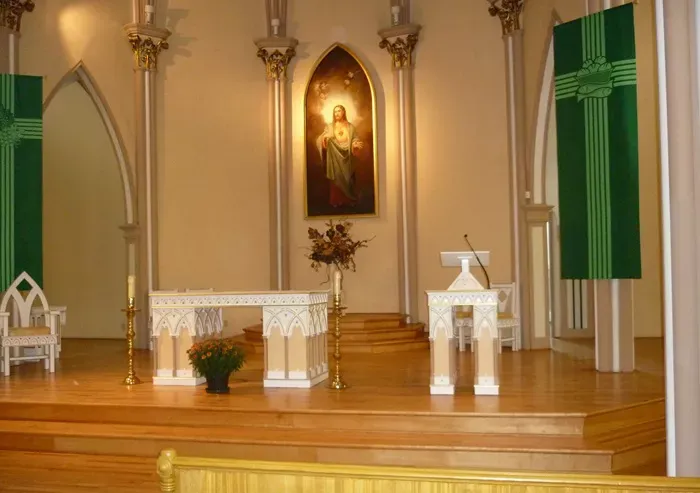

An altar is a sacred space used in many religions, including Buddhism. It is a place where people show respect, make offerings, and focus their minds. In Buddhism, an altar is not meant for worship in the sense of asking for favors. Instead, it is a place for reflection, gratitude, and spiritual growth. It helps practitioners remember the teachings of the Buddha and cultivate inner peace.
The idea of an altar is simple. It is a physical space that represents spiritual values. It may be large, like those in temples, or small, like those in a home. No matter the size, the purpose remains the same. It supports practice, builds discipline, and reminds us of the path to awakening.
The Meaning of an Altar in Buddhism

A Symbol of the Three Jewels
In Buddhism, the altar often represents the Three Jewels: the Buddha, the Dharma, and the Sangha. These are the core foundations of Buddhist life.
The Buddha represents the awakened one. He shows that enlightenment is possible. The Dharma refers to the teachings of the Buddha. It guides practitioners on how to live wisely and compassionately. The Sangha is the community of practitioners who support each other on the path.
When a Buddhist sets up an altar, they are creating a physical reminder of these three refuges. It becomes a place where they reconnect with their values every day.
A Reflection of the Mind
An altar is also a reflection of the practitioner’s mind. A clean and orderly altar encourages a calm and focused mind. When we arrange flowers, light incense, or bow, we are training our awareness.
In this way, the altar is not separate from the person. It mirrors inner states. A peaceful altar can help bring peace within. A cluttered altar may remind us to bring more clarity into our lives.
Common Elements Found on a Buddhist Altar
Buddha Statue or Image
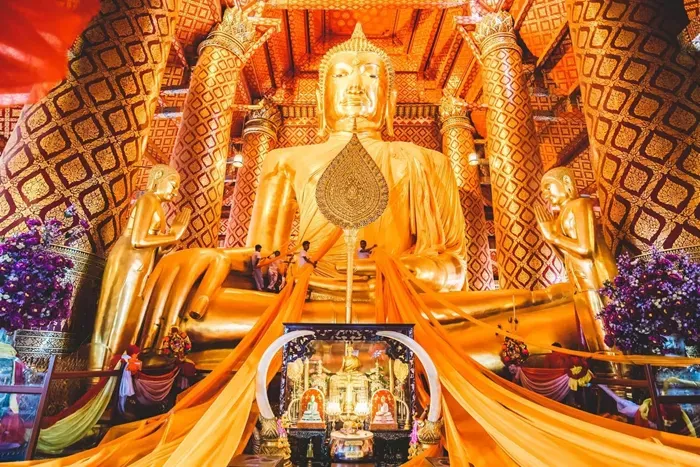
The central element of most Buddhist altars is a statue or image of the Buddha. This is not an idol to be worshipped. It is a symbol of awakening and wisdom.
Looking at the Buddha image reminds practitioners of qualities such as compassion, patience, and mindfulness. It encourages them to develop these qualities in their own lives.
Offerings
Offerings are an important part of the altar. They are simple and symbolic. Common offerings include flowers, candles, incense, water, and food.
Each offering has a meaning. Flowers represent impermanence. They are beautiful but fade quickly. This reminds us that all things change. Candles or lamps represent wisdom. They symbolize the light that removes ignorance.
Incense represents moral conduct and the spreading of good actions. Water represents purity and clarity. Food offerings show generosity and gratitude.
Incense Burner
An incense burner is usually placed at the center of the altar. When incense is lit, its fragrance spreads through the air. This symbolizes how good actions benefit others.
Lighting incense can also mark the beginning of meditation or chanting. It helps create a calm and focused atmosphere.
Text or Scripture
Some altars include Buddhist texts or sutras. These represent the Dharma. Even if one does not read them daily, their presence is meaningful.
They remind practitioners to study and understand the teachings. The words of the Buddha are considered a guide for living wisely.
The Function of an Altar

A Place for Mindfulness
One of the main functions of an altar is to support mindfulness. When a person stands before the altar, they pause. They take a moment to breathe and be present.
This simple act can shift the mind from distraction to awareness. Over time, it builds a habit of mindfulness that extends into daily life.
A Tool for Meditation
An altar provides a stable environment for meditation. It signals that this is a place for inner work. When the body recognizes the space, the mind becomes calmer more easily.
Meditation near an altar can deepen concentration. The presence of symbolic objects can inspire devotion and focus.
A Reminder of Impermanence
The items on the altar often change. Flowers wilt. Candles burn down. Food offerings are removed. These changes are not mistakes. They are part of the teaching.
They remind practitioners of impermanence. Everything arises and passes away. Understanding this truth helps reduce attachment and suffering.
A Practice of Generosity
Making offerings at the altar is a practice of giving. Even small acts, like offering a cup of water, are meaningful.
Generosity is an important virtue in Buddhism. It opens the heart and reduces selfishness. The altar becomes a place to cultivate this quality daily.
A Source of Inspiration
An altar can inspire faith and determination. Seeing the image of the Buddha or reading a verse can lift the mind.
In difficult times, the altar serves as a reminder of the path. It encourages patience and resilience.
Types of Buddhist Altars
Home Altars
Many Buddhists keep a small altar at home. It may be placed in a quiet corner or a dedicated room. The setup is simple but meaningful.
Home altars allow daily practice. They bring spiritual life into everyday routines. Even a few minutes spent at the altar can have a strong effect.
Temple Altars
Temple altars are larger and more elaborate. They may include multiple statues, detailed decorations, and many offerings.
These altars are used for ceremonies, chanting, and community gatherings. They create a powerful atmosphere of shared practice.
Travel Altars
Some practitioners create small travel altars. These may include a small image or a few simple items.
They allow practice to continue even when away from home. This shows that the altar is not limited by place. It is a support for the mind wherever one goes.
How to Set Up a Simple Buddhist Altar

Choose a Clean and Quiet Space
The first step is to select a suitable location. It should be clean and quiet. This helps create a respectful environment.
Place the Buddha Image at the Center
The Buddha image should be placed in a central and elevated position. This shows respect and makes it easy to focus on.
Add Basic Offerings
Start with simple offerings such as flowers, a candle, or a bowl of water. There is no need for complexity. Sincerity is more important.
Keep the Altar Clean
Regular cleaning is part of the practice. It shows care and attention. It also supports a clear and peaceful mind.
The Deeper Meaning of Using an Altar
Training the Mind
Every action at the altar is a form of training. Bowing teaches humility. Offering teaches generosity. Cleaning teaches mindfulness.
These small actions shape the mind over time. They support the development of wisdom and compassion.
Connecting with Tradition
Using an altar connects practitioners with a long tradition. For over 2,500 years, Buddhists have used altars as part of their practice.
This connection brings a sense of continuity and support. It reminds us that we are not alone on the path.
Creating Sacred Space
An altar transforms an ordinary space into a sacred one. It is not sacred because of the objects. It is sacred because of intention.
When we approach the altar with respect and awareness, the space becomes meaningful. It supports inner transformation.
Conclusion
An altar in Buddhism is a simple yet powerful tool. It serves many functions. It supports mindfulness, meditation, generosity, and reflection. It reminds practitioners of the teachings and encourages them to live with wisdom and compassion.
Whether in a temple or at home, the altar is a bridge between the outer world and the inner path. It is not about ritual alone. It is about transformation. By using an altar with understanding, one can deepen their practice and move closer to peace and awakening.
FAQs
1. Do Buddhists pray at an altar?
Buddhists may recite chants or make wishes, but this is not prayer in the usual sense. It is more about expressing gratitude and setting intentions.
2. Can anyone set up a Buddhist altar?
Yes, anyone can set up a simple altar. There are no strict rules. What matters is respect and sincerity.
3. How often should offerings be changed?
Offerings like flowers and food should be changed regularly. This keeps the altar clean and reflects the teaching of impermanence.
4. Is a Buddha statue necessary for an altar?
No, it is not strictly necessary. Some people use a simple symbol or even an empty space to represent the teachings.

























Sign in to leave a comment.