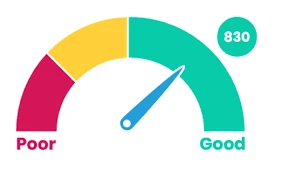

An insurance score is a numerical representation of your claims history and financial stability. It is calculated taking into account several factors, such as the frequency of insurance claims, the severity of past insurance losses, and credit history. The score ranges from 200 to 997, with higher scores indicating better insurance risk.
Benefits of a good insurance score for and auto insurance
Lower Premiums – A good score often translates into lower premiums. The insurance company considers you lower risk, which means you are less likely to pay out claims, resulting in lower premiums.More coverage options – With a good insurance score, you may have access to more coverage options. For example, you may be able to purchase a higher liability limit or opt for additional coverage options such as gap insurance.Improved renewability: Having a good insurance score can also affect the renewability of your home and auto insurance policies. Insurance companies are more likely to renew your policy if you have a good insurance score, which means you won't have to search for a new policy every year.In conclusion, having a good insurance score is essential for home and car owners. It can result in lower insurance premiums, more coverage options, and better renewability. So make sure you keep it in good repair and enjoy the many benefits it has to offer.
How do I improve my insurance score?
Improving your score is relatively easy, and there are two main ways to improve it: boosting your credit score and reducing your claims history.
Here are some tips to help you improve your credit score:
Pay your bills on time – Late payments and missed payments can seriously affect your score. To avoid this, make sure you pay all your bills, including credit card bills, on time.Keep your credit utilization low: The amount of credit you use in relation to your credit limit is called your credit utilization. Try to keep your credit utilization low by using no more than 30% of your credit limit.Maintain a long credit history: The longer your credit history, the better your insurance score. Try to maintain a long credit history by using your credit cards or loans responsibly and paying them on time.Dispute Errors – If you find errors on your credit report, dispute them as soon as possible. These errors can negatively affect your score, so it's important to resolve them as soon as you become aware of them.Avoid opening too many new credit accounts – Every time you open a new credit account, it can affect your score. To avoid this, try to limit the number of new credit accounts you open.Tips to help you improve your home and auto claims history:
Regularly maintain your assets – Regular maintenance and upkeep can help prevent damage to your assets, which can reduce the number of claims you file.
Get informed: Understanding your coverage and how to prevent claims can also reduce the number of claims you file. Take the time to learn about insurance and risk management.
Severity of Prior Home and Auto Claims
The severity of past insurance claims can also affect your insurance score. If you have a history of filing high-value claims, insurance companies may view you as a higher risk, which can result in a lower insurance score. To improve your score, try reducing the severity of past claims - if you have recent serious claims, it can take up to 7 years for them to not show up on your account. insurance history.
Here are some tips to help you reduce the severity of insurance claims:
Take Preventative Measures – Installing security devices in your home or car, such as smoke detectors or anti-theft systems, can help prevent serious damage and reduce the severity of claims.Choose a higher deductible: A higher deductible can reduce the severity of claims by requiring you to pay more of the claim amount before the insurance kicks in.Consider your coverage options: Not all the bells and whistles an agent offers make sense for everyone. Does it make sense to have glass coverage or is it better not to make a claim for a rock chip? It probably depends on how expensive it is to replace the windshield on your specific vehicle! Carefully review your coverages with your insurance agency to make sure that what you are paying for is something that gives you the best value.In conclusion, reducing the frequency and severity of past insurance claims and increasing your credit score can greatly improve your insurance score. By following the tips outlined above, you can help improve your insurance score, which will typically result in lower insurance premiums, access to better coverage options, and renewable insurance policies.
























Sign in to leave a comment.