Have you ever visited the doctor due to a severe cough, a high temperature, and an uncontrollable runny nose? After using a stethoscope to listen to your chest and examine your ears and nose, the doctor may suggest, "Hmm, I think we should do a test."
But what test? And why?
Today, we are going to learn about a special test called an RSV Test. Don't worry if you've never heard of it. By the time you finish reading this, you will be a little expert!
So, grab a cup of juice, sit comfortably, and let's begin our story.
What is RSV?
First, let's talk about RSV. RSV is a short name for a long, science-y name: Respiratory Syncytial Virus. So let's just call it RSV.
Think of RSV as a tiny, sneaky little bug that you cannot see. It loves to travel through the air. When someone who has RSV coughs or sneezes, tiny droplets fly out. If you breathe those droplets in, the bug enters your nose and throat.
And then? It makes you sick.
RSV is a very common bug. Almost every child gets it by the time they turn two years old. For most kids, it's just like a bad cold. But for some babies and older people, RSV can be more dangerous. It can go down into their lungs and make it very hard to breathe.
That is why doctors need to know: Is it RSV or just a regular cold?
What is an RSV Test?
Now, how does the doctor know if that sneaky RSV bug is inside you? They use something called an RSV Test.
Imagine you are a detective. You have a mystery to solve: "What is making this person sick?" The RSV test is like your magnifying glass. It helps you find clues.
An RSV test is a simple tool that looks for the RSV bug inside your nose. It's like a little trap. If the bug is there, the test will say "YES, I found it!" If the bug is not there, the test will say "Nope, it's something else."
This helps the doctor know exactly how to help you feel better.
How Does the Rapid RSV Test Work?
Now, here comes the really cool part. There is a special kind of RSV test called a Rapid RSV Test. "Rapid" means "very fast."
Let me tell you how it works, step by step. It's so simple, you won't believe it!
Step 1: The Little Swab
The doctor or nurse will take something that looks like a very long Q-tip. But it's not for your ears! It's called a swab. It's very soft in the end.
Step 2: The Tickle in Your Nose
The doctor will gently put the soft tip of the swab inside your nostril. It goes in just a little bit – not too far, I promise! They will gently twist it around for a few seconds. It might tickle a little, or make your eyes water. But it does not hurt. It's just a funny feeling.
Step 3: The Secret Liquid
The doctor then takes the swab and dips it into a little tube containing a specific liquid. This liquid resembles a magic potion. It helps to get the bugs out of the swab and into the liquid.
Step 4: The Testing Strip
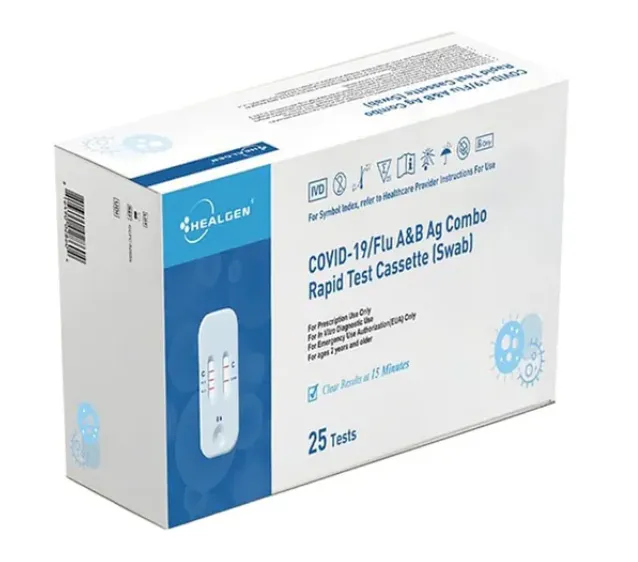
Next, the doctor takes a few drops of that liquid and puts them onto a small plastic stick called a test cassette. This stick has a special paper inside. You might have seen something like this before – it looks a little bit like a pregnancy test.
Step 5: The Waiting Game (Only 15 Minutes!)
Now, we wait. And we don't have to wait long! In just 15 minutes – that's less time than one episode of your favorite cartoon – the test is done.
Step 6: Reading the Result (The Lines Tell the Story)
Finally, the doctor looks at the test stick. They will see lines, just like on a COVID test.
- One Line (only the control line): This means the test worked properly, but the RSV bug was not found. The doctor will say, "It's not RSV."
- Two Lines: This means the test worked, and the RSV bug was found. The doctor will say, "You have RSV."
Isn't that amazing? In just 15 minutes, we caught the sneaky little bug!
Why Does Rapid RSV Testing Matter? (Why It's So Important)
You might be thinking, "Okay, it's cool. But why does it matter if we find the bug or not?"
That is a great question! Here are the three biggest reasons why rapid RSV testing is so important.
Reason 1: The Right Medicine (No More Guessing!)
If the doctor knows you have RSV, they know exactly what to do. See, RSV is a virus. Antibiotics (the medicines that kill bacteria) do NOT work on viruses. So the doctor will not give you medicine that won't help.
Instead, they will tell you exactly what your body needs: lots of rest, lots of fluids (water, soup, juice), and maybe something to bring down a fever. Knowing it's RSV means no useless medicines and the right care.
Reason 2: Keeping Babies and Grandparents Safe
RSV is no big deal for most healthy kids and adults. But for tiny babies (especially those born early) and for very old grandparents, RSV can be very serious. It can cause a bad lung infection called pneumonia.
When a rapid test tells you it's RSV, the doctor can take special steps to keep the sick person from spreading it to a baby or an older person.
Reason 3: No More Worry (Peace of Mind)
Have you ever been scared because you didn't know what was wrong? That's the worst feeling. When you are sick and coughing, your parents worry. You worry. Everyone worries.
However, a quick RSV test alleviates the worry. Within 15 minutes, you will get an answer. You understand what you are up against. And when you know what you're fighting for, you can be brave. You could say, "Okay, RSV. I need to relax and drink some water. "I will be fine." That peace of mind is quite valuable.
What If the Test is Negative? (The Story Isn't Over)
What if the test shows only one line? That means no RSV. But you are still coughing and have a fever. Now what?
Well, the test did its job. It ruled out one bad guy. But there are other bugs that can make you sick, like the flu (influenza) or COVID-19. The doctor might need to test for those.
Or, you might just have a regular cold. Colds are also caused by viruses, so the treatment is the same: rest, fluids, and time.
A negative test is not a bad thing. It's just a clue that leads the doctor to the next clue. It's all part of solving the mystery!
Conclusion
So, my young friend, you now know all about the RSV test!
Let us take a short recap:
- RSV is a small, stealthy bug that dwells in your nose and throat, causing you to cough and run a fever.
- An RSV test, is just like a detective's magnifying glass, reveals the bug.
- A fast RSV test involves removing a small tickle from your nose and placing it on a special stick. In under 15 minutes, lines appear that notify the doctor "yes" or "no."
- This test matters because it helps the doctor give the right care, keeps babies and grandparents safe, and stops everyone from worrying.
The next time you go to the doctor with a bad cough, and they bring out a little swab, don't be scared. Just smile and say, "I know what that is! That's the RSV test. You're looking for the sneaky little bug!"
Be brave, be curious, and always ask questions. That's how we learn.
Stay healthy, stay happy, and wash your hands!


























Sign in to leave a comment.