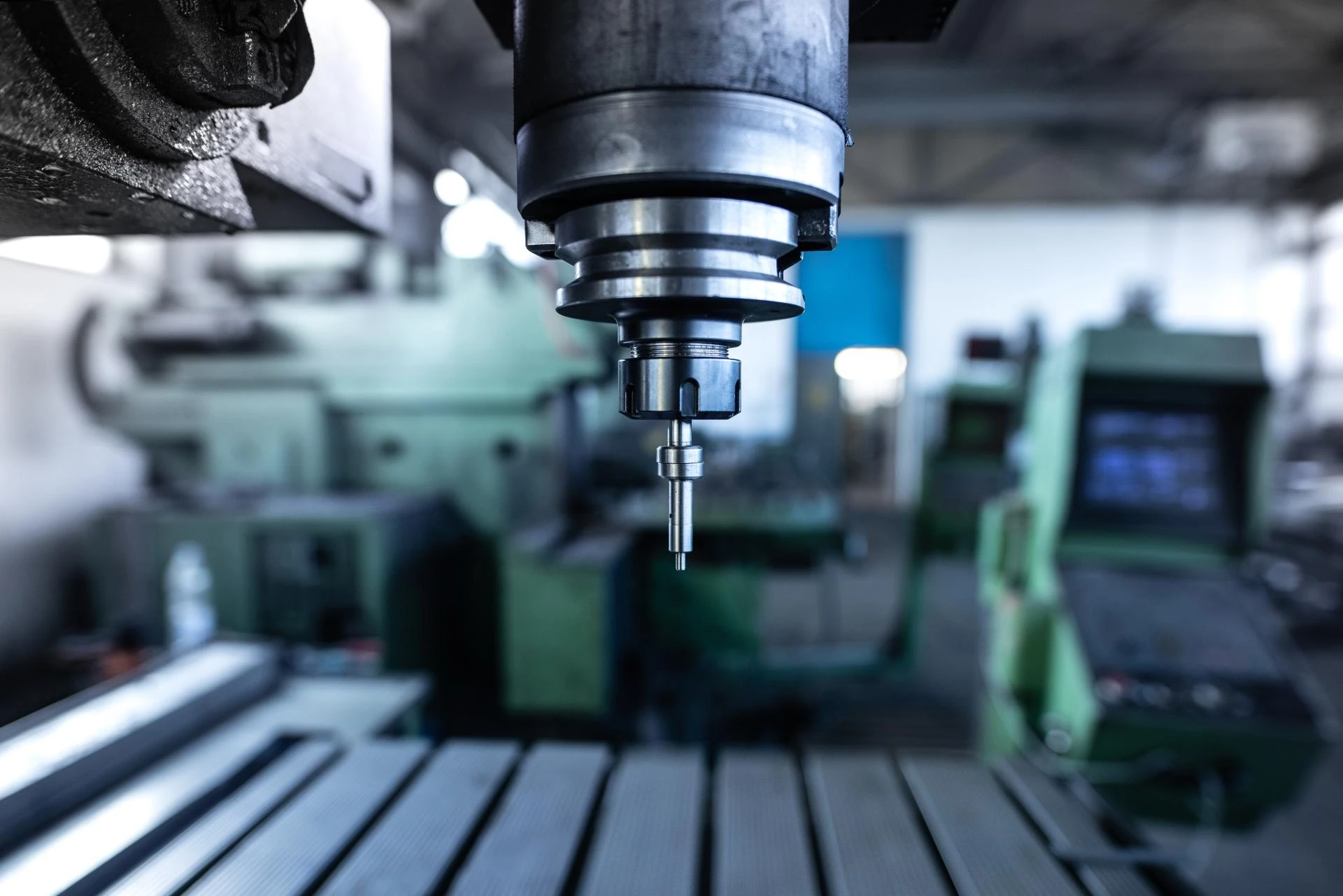
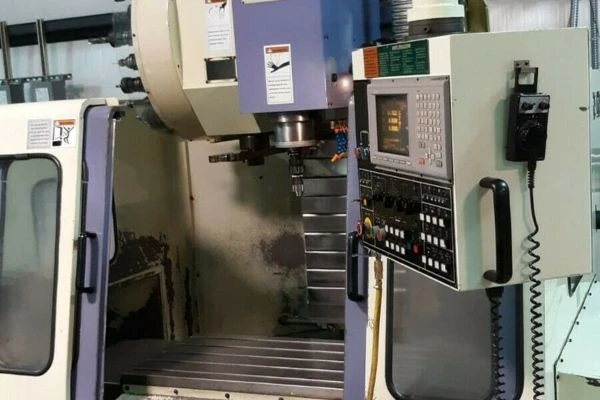
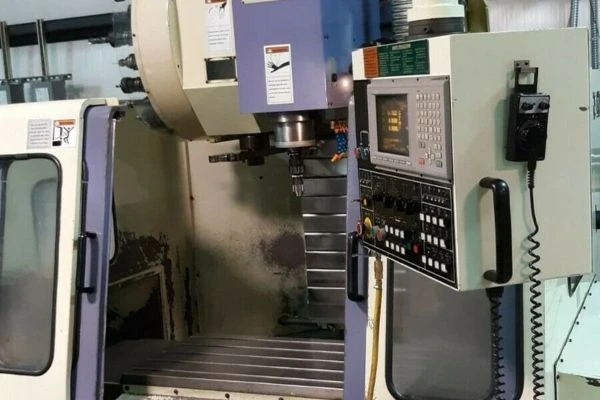
If you've ever watched a CNC (Computer Numerical Control) machine at work—precisely carving, drilling, or cutting a part with millimeter-level accuracy—you know it's like witnessing a symphony of engineering perfection. But what happens when that perfection starts to slip? When a part is off by a fraction of a millimeter, it might not sound like a big deal… until it is. Enter: ballbar testing—the behind-the-scenes hero ensuring CNC machines perform like clockwork.
So, what exactly is ballbar testing? And why should it matter to you, whether you’re running a machine shop, managing a production line, or maintaining precision equipment? Let’s break it down in plain language.
What Is Ballbar Testing, Really?
Imagine trying to draw a perfect circle with a pen. Now imagine your arm has a tiny twitch or your pen wobbles just a bit—you’ll end up with a slightly distorted circle. That’s essentially what ballbar testing looks for: those small, often invisible wobbles or inaccuracies in your CNC machine’s movement.
At its core, ballbar testing is a diagnostic procedure used to measure the geometric accuracy of CNC machines. It involves attaching a device—called a ballbar—between the machine’s spindle and the table. The ballbar is a precision measurement tool that tracks any deviation from a perfect circular path as the machine executes a standard programmed circle.
The result? A detailed report showing exactly how (and where) the machine is drifting from ideal movement—whether it's backlash, servo mismatch, squareness error, or thermal distortion.
Why Does Ballbar Testing Matter So Much?
To put it bluntly: accuracy is everything in CNC machining. A minor deviation can lead to a snowball effect—wasting materials, reducing product quality, increasing downtime, and eventually, damaging your reputation.
Let’s say you're manufacturing aerospace components. These parts often have tolerances of less than 0.001 inches. A machine drifting out of spec could mean thousands of dollars in scrap and rework, not to mention the risk of product failure in a high-stakes environment.
Here’s where ballbar testing becomes crucial:
- Detects Hidden Issues Early: Some machine inaccuracies aren't obvious. Ballbar testing can spot misalignments, mechanical wear, or thermal errors before they cause real trouble.
- Reduces Downtime: By catching problems early, you can schedule repairs or maintenance before a breakdown halts your entire operation.
- Ensures Product Quality: Consistent, high-quality parts are non-negotiable. Regular ballbar testing keeps your machines producing within tight tolerances.
- Supports Preventative Maintenance: Think of it like getting a health check-up. You don’t wait until you’re seriously sick—you go in regularly to catch issues early. The same logic applies to your CNC machines.
A Real-World Example
A mid-sized automotive parts manufacturer had been dealing with inconsistent part finishes. Their CNC lathe seemed fine to the naked eye, and standard maintenance didn’t uncover anything unusual. But a ballbar test told a different story—it revealed subtle backlash in the Y-axis and a slight squareness error between the X and Z axes.
Once those issues were corrected, the machine's accuracy snapped back into shape, part rejects dropped by 30%, and production returned to full efficiency. All thanks to a quick ballbar test.
How Often Should You Perform Ballbar Testing?
That depends on how heavily your machines are used. High-volume production environments might benefit from quarterly testing, while low-duty machines could be fine with annual checks. If your quality control data shows unusual trends, or you’re seeing more part rejections, it’s a good sign it’s time for a test.
Is Ballbar Testing Worth the Investment?
Absolutely. While ballbar testing does require a bit of downtime and a trained operator (or service provider), the ROI is clear. Catching issues early means fewer bad parts, less rework, and smoother production. It’s a small price to pay to protect your bottom line.
The Bottom Line
CNC machines are marvels of modern engineering—but even the most sophisticated machine can drift from perfection over time. Ballbar testing is your best defense against hidden performance issues, ensuring every part meets spec and every shift runs smoothly.
In a world where precision is profit, skipping ballbar testing isn’t just risky—it’s expensive.
If you're serious about accuracy, quality, and reliability in your machining operations, make ballbar testing part of your routine. Your machines—and your customers—will thank you.





















Sign in to leave a comment.