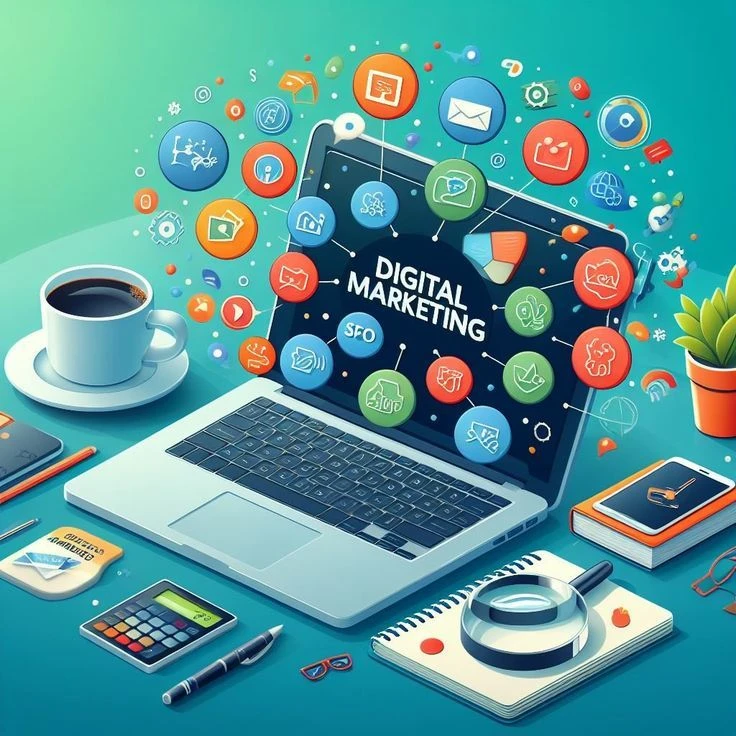

Digital Marketing vs Traditional Marketing: Why Digital Wins Every Time
In the fast-paced world of modern business, one debate has remained consistent: Digital Marketing vs Traditional Marketing. While traditional methods like TV ads, billboards, print, and radio dominated for decades, the shift toward digital strategies has reshaped the way businesses engage with their audiences. As the global marketplace grows increasingly digital first, the advantages of online marketing far outweigh the limitations of traditional approaches.
At Fotoplane Social, we believe that every brand, regardless of size, can benefit from embracing the digital ecosystem. In this blog, we’ll break down why digital marketing consistently outperforms traditional marketing across cost, reach, measurability, engagement, and long-term brand growth.
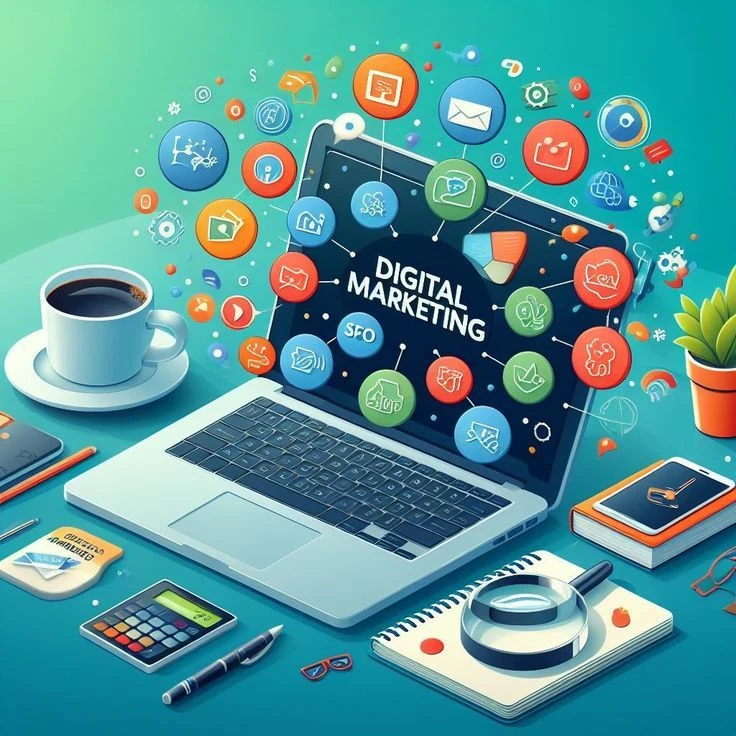
1. Cost Efficiency
Traditional marketing is notoriously expensive. Running a 30-second television commercial during prime time or purchasing billboard space in a major city can cost thousands, sometimes millions, of dollars. For smaller businesses, these costs are often out of reach.
Digital marketing, on the other hand, is far more cost effective. Campaigns can be tailored to fit any budget, whether you’re running a $100 paid ad on Facebook or a multi-channel strategy across Google, Instagram, and YouTube. The ability to control spending while optimizing campaigns in real time ensures that businesses maximize their ROI.
2. Global Reach with Local Precision
A newspaper ad or radio spot is limited to the audience within a specific geographical boundary. In contrast, digital marketing knows no borders. Brands can target global audiences with ease, all while narrowing campaigns down to hyper local markets when needed.
For example, with social media marketing, businesses can connect directly with customers across cities, countries, and continents. Even better, advanced targeting allows you to reach people based on age, interests, behaviors, and online activity, something traditional marketing simply cannot achieve.
3. Measurable Results
One of the biggest shortcomings of traditional marketing is the inability to measure impact accurately. How many people actually looked at a billboard? Did a magazine ad directly lead to a sale? Often, the results are speculative.
Digital marketing eliminates guesswork. With tools like Google Analytics, social media insights, and conversion tracking, brands can see exactly how many people engaged with a campaign, clicked on an ad, or purchased a product. This level of transparency ensures that marketing strategies are guided by real data, not assumptions.
4. Real-Time Engagement
Traditional marketing is one-way communication: the brand speaks, and the audience listens. But in today’s world, consumers expect interaction. Digital marketing enables two-way communication, fostering real-time conversations between brands and their customers.
Through social media platforms, live chats, and instant feedback channels, businesses can respond to queries, resolve concerns, and build stronger relationships with their audience. This kind of immediate engagement builds trust and loyalty that billboards and print ads can’t replicate.
5. Flexibility and Adaptability
Once a traditional marketing campaign is launched, it’s set in stone. Changing a billboard design or reprinting a magazine ad takes time and money. If the campaign isn’t working, you’re stuck with it until the contract ends.
Digital marketing, however, is agile. Ads, visuals, and strategies can be adjusted within minutes based on performance data. If a Facebook ad isn’t delivering results, you can pause it instantly, tweak the content, or redirect the budget toward a higher performing campaign. This adaptability ensures that brands can continuously optimize their efforts for better outcomes.
6. Better Audience Targeting
Traditional marketing casts a wide net and hopes to catch a few relevant customers. For instance, a television commercial might reach millions, but how many of those viewers are genuinely interested in your product?
Digital marketing’s precision targeting ensures that campaigns reach the right people at the right time. From demographics to interests and even retargeting visitors who’ve already interacted with your website, digital campaigns minimize wasted impressions and maximize impact.
7. Higher Engagement and Content Variety
Print ads and billboards are static; they can’t evolve with the conversation. Digital marketing offers endless creative possibilities: videos, blogs, podcasts, interactive polls, stories, reels, webinars, and more. Each format captures attention in unique ways, making it easier to engage audiences with compelling storytelling.
By creating interactive and relatable content, brands can foster deeper connections and keep audiences coming back for more.
8. Scalability for All Businesses
Large corporations once dominated the traditional marketing space simply because they could afford the costs. Smaller businesses often had little chance to compete.
Digital marketing has leveled the playing field. Startups and small businesses can now launch campaigns with modest budgets while still reaching thousands, or even millions, of potential customers. Whether you’re a local bakery or a multinational company, digital platforms provide scalable solutions for every brand.
9. Long-Term Impact with Evergreen Content
Traditional ads disappear once the campaign ends. A radio commercial is forgotten the moment it stops airing. But digital content, such as blogs, videos, or SEO optimized articles, continues to generate traffic and engagement long after it’s published.
This means businesses can build a library of valuable resources that continuously attract new leads over time, creating a compounding effect that traditional marketing can’t match.
10. The Future is Digital
Consumer behavior has shifted dramatically in recent years. Today’s buyers are online first: they research products on Google, read reviews on social media, and watch videos before making decisions. Brands that cling to traditional marketing risk falling behind competitors who are leveraging digital strategies.
Agencies like Fotoplane Social specialise in helping businesses harness the power of digital platforms to build stronger, smarter, and more impactful marketing campaigns. The future belongs to brands that embrace this digital transformation.
Conclusion
When comparing digital marketing vs traditional marketing, the verdict is clear: digital is not just better, it’s essential. With its cost effectiveness, measurable results, precise targeting, and ability to engage audiences in real time, digital marketing offers unparalleled advantages for businesses of all sizes.
If you’re ready to scale your brand, it’s time to leave behind outdated strategies and embrace the tools, tactics, and platforms that define the future of marketing. After all, in today’s digital first world, the smartest investment any business can make is in its online presence.



















Sign in to leave a comment.