

Citric acid is a naturally occurring organic acid found in citrus fruits. It has a myriad of applications, ranging from food preservation to cosmetic formulations. However, a lesser-known variant known as C.O. Citric Acid is making waves in various industries due to its unique properties and uses.
Understanding the differences between regular citric acid and C.O. Citric Acid can provide valuable insights for businesses looking to enhance their product offerings.
The Basics of Citric Acid
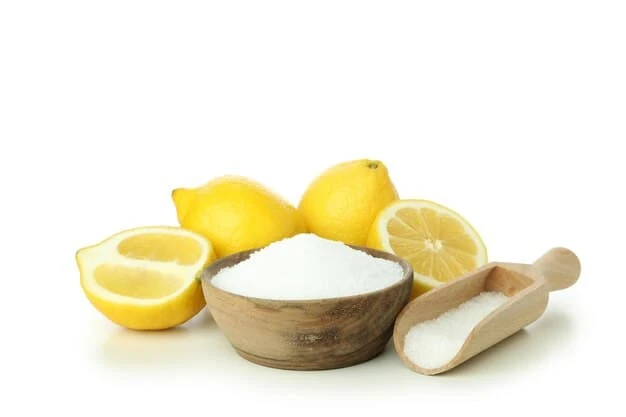
Citric acid is a weak organic acid that plays a critical role in the metabolic processes of living organisms. It is commonly used in food and beverage industries as a natural preservative and flavoring agent. Its ability to enhance acidity and act as a chelating agent makes it a popular choice among manufacturers. Regular citric acid is often derived from fermentation processes using specific strains of microorganisms, resulting in a product that is widely available and cost-effective.
In addition to its culinary applications, citric acid is also prevalent in the cosmetic and pharmaceutical industries. It is utilized in skin care products for its exfoliating properties and ability to adjust pH levels. Furthermore, the acid is used in cleaning products due to its effectiveness in breaking down mineral deposits and stains. As versatile as regular citric acid is, C.O. Citric Acid presents a distinct alternative that caters to a more specialized market.
What is C.O. Citric Acid?
C.O. Citric Acid, short for “Coconut Origin Citric Acid,” is a unique derivative of citric acid that is produced through a specific fermentation process involving coconut substrates. This results in a product that not only retains the acidic qualities of traditional citric acid but also imbues it with additional characteristics that are particularly appealing to environmentally conscious consumers. The use of coconut as a base for production aligns with sustainable practices, making C.O. Citric Acid a preferred choice for brands that prioritize eco-friendliness.
The production process of C.O. Citric Acid involves the fermentation of sugars derived from coconuts, which are then converted into citric acid through the action of specific microorganisms. This method not only enhances the sustainability aspect of the product but also ensures a high level of purity, making it suitable for a variety of applications. Companies that utilize C.O. Citric Acid can market their products as being derived from natural and renewable sources, thus appealing to a growing demographic that values sustainability.
Key Differences Between C.O. Citric Acid and Regular Citric Acid
While both C.O. Citric Acid and regular citric acid share fundamental similarities, their differences are noteworthy. One significant distinction lies in their sourcing. Regular citric acid is typically produced from a variety of fermentation sources, including molasses and corn, whereas C.O. Citric Acid is specifically derived from coconut. This difference in sourcing can lead to variations in quality, sustainability, and consumer perception.
Another crucial aspect is the purity of C.O. Citric Acid. The fermentation process that employs coconut substrates may yield a product with fewer impurities compared to those derived from traditional sources. This high level of purity is essential for industries that require stringent quality control, such as pharmaceuticals and cosmetics. Additionally, the unique properties of C.O. Citric Acid, including its potential antioxidant and antimicrobial effects, can enhance the performance of products in which it is incorporated.
Moreover, the application of C.O. Citric Acid extends to various sectors beyond food and cosmetics. Its effectiveness as a natural preservative and flavor enhancer can be leveraged in the formulation of cleaning agents, where the additional benefits of its antimicrobial properties can improve product efficacy. Businesses looking to innovate and expand their product lines may find C.O. Citric Acid to be a valuable addition.
The Growing Demand for Sustainable Ingredients
As consumer preferences shift towards sustainability and natural ingredients, the demand for products like C.O. Citric Acid is on the rise. Companies are increasingly recognizing the importance of aligning their offerings with consumer values, and integrating sustainable ingredients into their formulations is a vital aspect of this strategy. C.O. Citric Acid, with its coconut origin and environmentally friendly production methods, offers businesses a compelling narrative to share with their audience.
In addition to appealing to eco-conscious consumers, the inclusion of C.O. Citric Acid in product formulations can open up new marketing channels. Brands can position themselves as leaders in sustainability, attracting a customer base that prioritizes environmentally responsible purchasing decisions. This alignment with consumer values not only fosters brand loyalty but can also lead to an increase in market share as businesses differentiate themselves in a crowded marketplace.
Furthermore, regulatory trends are increasingly favoring natural and sustainable ingredients. As governments and organizations implement stricter guidelines regarding the use of synthetic additives, businesses that proactively adapt to these changes by incorporating C.O. Citric Acid into their products are likely to thrive. This foresight ensures compliance with emerging regulations while simultaneously catering to consumer demands.
Conclusion: The Future of C.O. Citric Acid in Business
In summary, C.O. Citric Acid presents a unique opportunity for businesses to innovate and connect with consumers on a deeper level. The differences between C.O. Citric Acid and regular citric acid are not merely superficial; they represent a shift in how ingredients can be sourced and utilized in product formulations. By leveraging the sustainable aspects of C.O. Citric Acid, companies can not only enhance their product offerings but also align with a growing movement towards eco-friendly practices.
As the market continues to evolve, businesses such as AllyOrganics are at the forefront of this change, embracing C.O. Citric Acid to create products that resonate with modern consumers. With its commitment to sustainability and quality, AllyOrganics is poised to lead the charge in the incorporation of C.O. Citric Acid across various applications, ensuring that they remain competitive in an ever-changing landscape. Embracing such innovative ingredients is not just a trend; it is a necessity for businesses aiming to leave a lasting impact.





























Sign in to leave a comment.