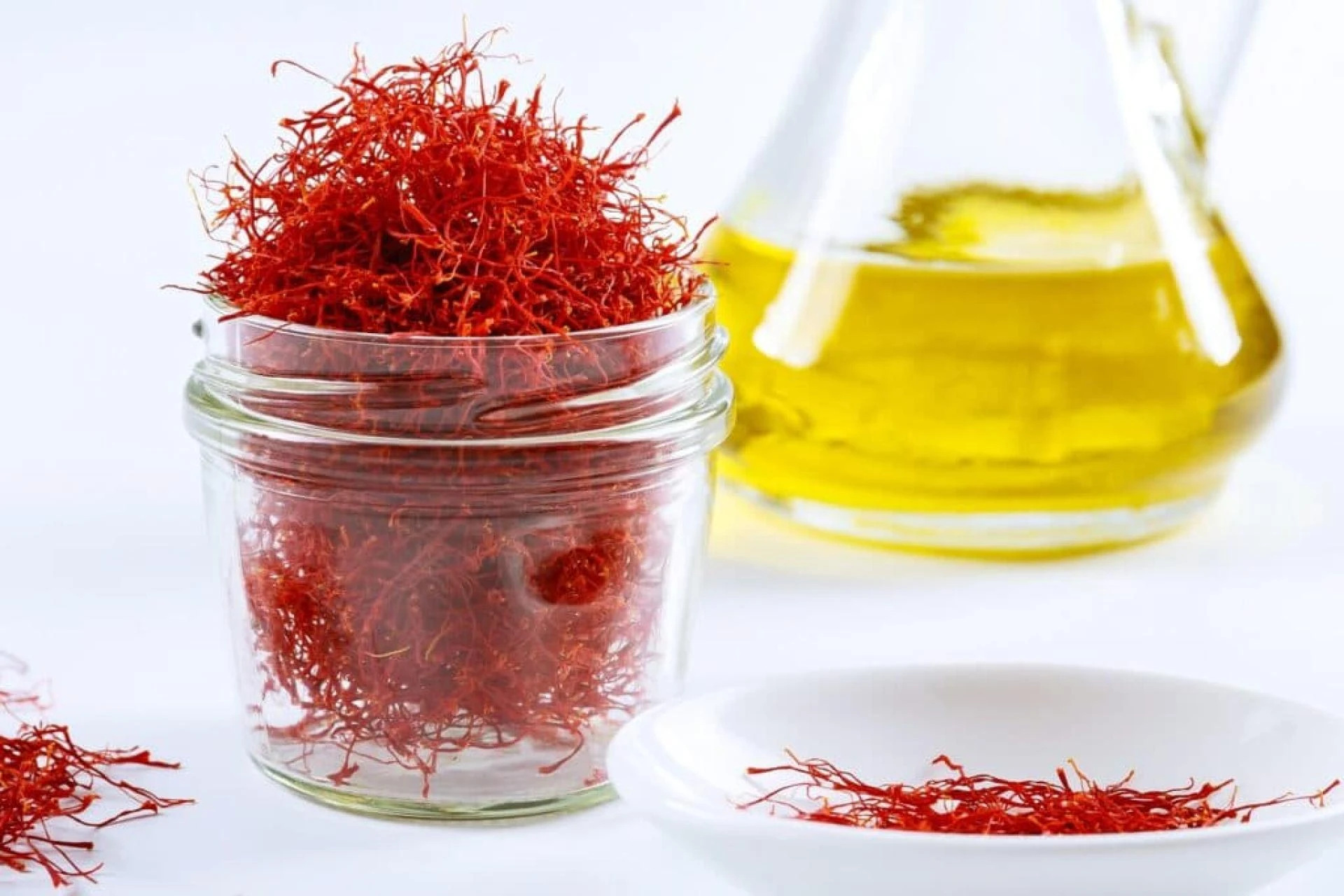

In the quest for natural and effective ingredients, certified organic safflower oil has emerged as a versatile staple for both culinary and skincare uses. Extracted from the seeds of the safflower plant, this oil boasts a myriad of health benefits and applications, making it an essential addition to any kitchen and skincare regimen. This article explores the origins, nutritional profile, and diverse uses of safflower oil, emphasizing its significance in everyday life.
The Origins of Safflower Oil
The safflower plant (Carthamus tinctorius) has a rich history that dates back thousands of years. Originally cultivated in the Middle East, safflower was prized not only for its vibrant flowers, used as a natural dye, but also for its oil, which has long been a staple in traditional cooking. Over time, the cultivation of safflower spread to various regions, including India, China, and North America, where it is now grown primarily for its oil-rich seeds.
Certified organic safflower oil is produced from seeds that are grown without the use of synthetic pesticides, herbicides, or genetically modified organisms (GMOs). This ensures that the oil retains its purity and nutritional value, aligning with the growing consumer demand for organic products. The cold-press extraction method is often used to obtain the oil, preserving its beneficial properties and ensuring that it remains free from harmful chemicals.
Nutritional Profile of Safflower Oil
One of the most compelling aspects of certified organic safflower oil is its impressive nutritional profile. The oil is predominantly composed of polyunsaturated fatty acids, particularly linoleic acid, which is an essential omega-6 fatty acid. This fatty acid is crucial for maintaining healthy skin, supporting cardiovascular health, and aiding in cellular function.
In addition to linoleic acid, safflower oil contains a variety of vitamins and antioxidants. Vitamin E, in particular, is abundant in safflower oil and is known for its powerful antioxidant properties. This vitamin helps protect cells from oxidative stress and damage caused by free radicals, promoting overall health and well-being. The presence of these nutrients makes safflower oil an excellent choice for both culinary and topical applications.
Culinary Uses of Safflower Oil
Certified organic safflower oil is an exceptional cooking oil due to its high smoke point, which ranges from 440°F to 450°F (227°C to 232°C). This makes it suitable for various cooking methods, including frying, sautéing, and baking. Its light flavor allows it to blend seamlessly into a wide range of dishes without overpowering other ingredients.
In the kitchen, safflower oil can be used as a base for salad dressings, marinades, and sauces. Its mild taste and smooth texture make it an ideal complement to vinaigrettes and dips. Additionally, safflower oil can be used in baking recipes, providing moisture and enhancing the overall texture of baked goods.
For those seeking a healthier alternative to other cooking oils, certified organic safflower oil is an excellent option. Its high content of polyunsaturated fats can help support heart health by reducing levels of LDL (bad) cholesterol and promoting HDL (good) cholesterol. Incorporating safflower oil into the diet can contribute to a balanced and health-conscious lifestyle.
Skincare Benefits of Safflower Oil
Beyond its culinary applications, certified organic safflower oil is a powerhouse ingredient in skincare. Its lightweight, non-comedogenic nature makes it suitable for all skin types, including oily and acne-prone skin. Here are some of the key skincare benefits of safflower oil:
1. Moisturizing Properties
Safflower oil is an excellent moisturizer, thanks to its high linoleic acid content. This essential fatty acid helps to lock in moisture, keeping the skin hydrated and preventing dryness. Its emollient properties make it an effective solution for individuals with dry or sensitive skin, providing relief from irritation and discomfort.
2. Soothing Inflammation
The anti-inflammatory properties of safflower oil can help soothe irritated skin and reduce redness. It is particularly beneficial for individuals with conditions such as eczema or psoriasis, as it can alleviate symptoms and promote healing. By incorporating safflower oil into skincare routines, individuals can enjoy a calming effect on their skin.
3. Enhancing Skin Barrier Function
Safflower oil helps strengthen the skin's natural barrier, which is essential for maintaining healthy skin. A strong skin barrier prevents moisture loss and protects against environmental aggressors, such as pollutants and harsh weather conditions. By using safflower oil, individuals can enhance their skin's resilience and overall health.
4. Anti-Aging Benefits
The presence of vitamin E in certified organic safflower oil contributes to its anti-aging properties. Vitamin E helps to combat free radicals, which can lead to premature aging and skin damage. Regular use of safflower oil can help reduce the appearance of fine lines and wrinkles, promoting a more youthful complexion.
How to Incorporate Safflower Oil into Your Routine
Adding certified organic safflower oil to your kitchen and skincare routine is simple and straightforward. Here are some effective ways to incorporate this versatile oil into daily life:
Culinary Uses
- Salad Dressings: Whisk together safflower oil, vinegar, and your favorite herbs to create a light and flavorful dressing.
- Cooking: Use safflower oil for frying, sautéing, or baking. Its high smoke point makes it perfect for a variety of cooking methods.
- Drizzling: Use safflower oil as a finishing oil, drizzling it over roasted vegetables or grilled meats to enhance flavor.
Skincare Applications
- Facial Moisturizer: Apply a few drops of safflower oil to the face after cleansing to lock in moisture and nourish the skin.
- Massage Oil: Use safflower oil as a base for massage oils, combining it with essential oils for added benefits and relaxation.
- DIY Skincare: Incorporate safflower oil into homemade scrubs, masks, or lotions for a natural boost to your skincare routine.
Conclusion
The incorporation of certified organic safflower oil into both culinary and skincare routines offers a multitude of benefits. With its impressive nutritional profile, versatility in cooking, and remarkable skincare properties, safflower oil is a must-have for anyone looking to enhance their health and beauty regimen. Its ability to nourish, moisturize, and protect makes it an essential addition to any kitchen and skincare collection.
For those seeking high-quality, organic ingredients, look no further than AllyOrganics. With a commitment to sustainability and purity, they offer a range of products that harness the power of nature. Embrace the benefits of certified organic safflower oil today and elevate your cooking and skincare routine!


























Sign in to leave a comment.