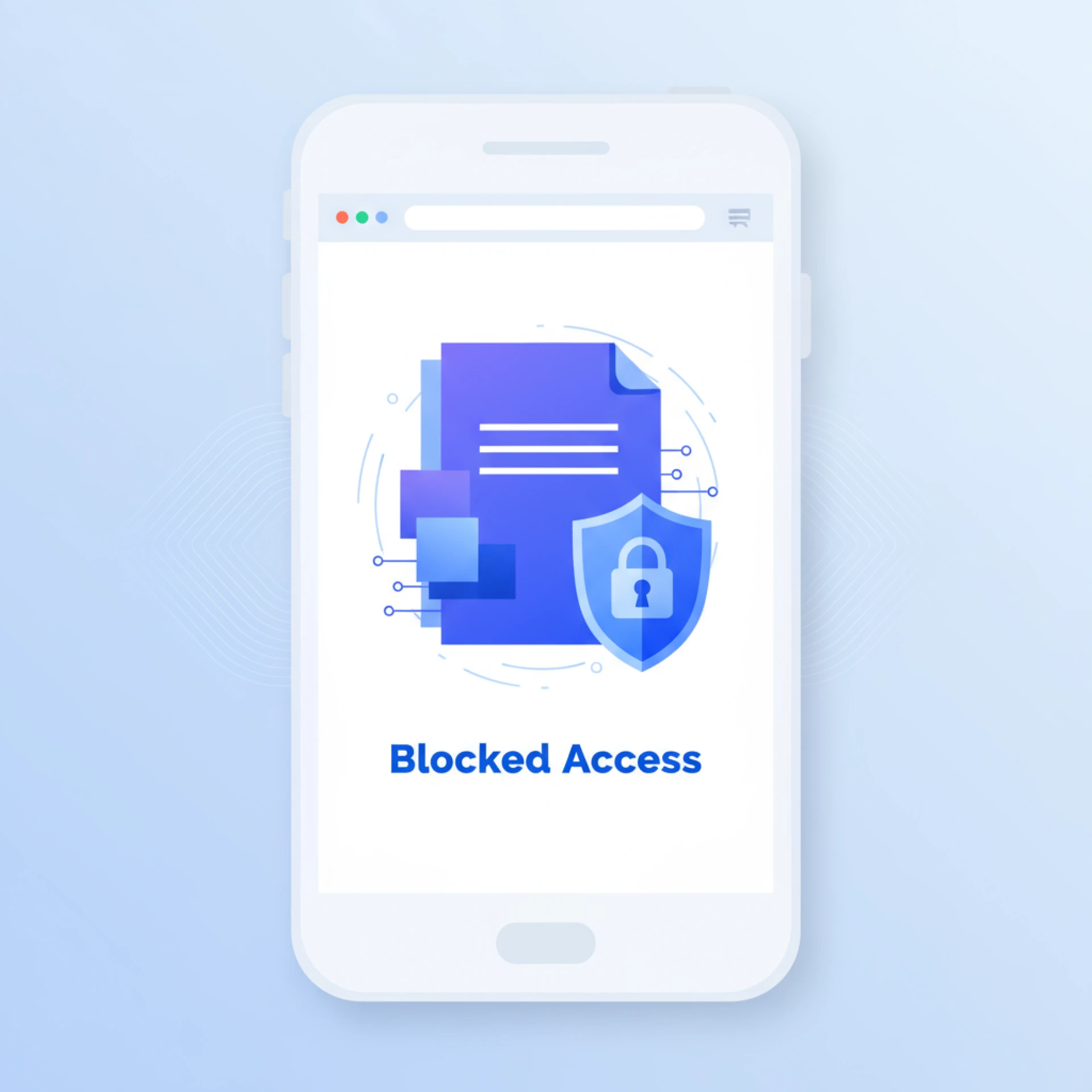
If you’ve ever stumbled upon the strange-looking string content://cz.mobilesoft.appblock.fileprovider/cache/blank.html on your Android device, you’re not alone. Many users come across it in app logs, browser redirects, or while troubleshooting an error message. At first glance, it looks technical and even suspicious, but once you understand what it is, things become much clearer.
This blog will explain in plain English what this link means, why it appears, whether it poses any risks, and what you can do if it causes problems on your phone.
Breaking Down the Mystery
Let’s start by understanding how Android handles file sharing. Unlike Windows or iOS, Android apps can’t just pass files around using simple file paths. For security reasons, they use something called content URIs. These always start with content:// and act like safe “addresses” that apps can use to request or provide data.
The strange keyword we’re talking about today is one such content URI. It points to a file named blank.html inside the cache folder of an app called AppBlock, which is developed by MobileSoft. The full string is simply the app’s internal way of telling the system: “Hey, when I block something, show this empty page instead.”
So at its core, it’s not malware, not a virus, and not some hidden hacker trick. It’s a technical placeholder used by AppBlock to do its job.
Why Does It Appear?
Now, why would you even see content://cz.mobilesoft.appblock.fileprovider/cache/blank.html in the first place?
One common scenario is when AppBlock redirects you away from a website or app you’ve restricted. Instead of letting you open the blocked content, it quickly loads a blank page from its own cache. That way, you’re not tempted to continue browsing or wasting time on distractions.
Another situation could be when the app encounters an error. Instead of showing a broken page or crashing, it gracefully loads this blank file so that your screen doesn’t look messy. Think of it as a safe “Plan B” whenever something goes wrong.
Because the file lives in the cache, you might also see it when digging into logs, security scans, or while clearing storage. It’s temporary, and Android will delete it eventually, especially if space runs low.
Is It Dangerous?
This is the question most people have: should I be worried? The short answer is no, not if it really comes from AppBlock. The blank.html file is harmless. It’s not designed to track you or steal your information—it’s just there to give you a blank screen when necessary.
That said, it’s always smart to be cautious with anything unusual on your phone. If you’re seeing this file in odd places, or if you don’t even use AppBlock, then it could be a red flag. For example, a malicious app could theoretically mimic the same kind of file path to confuse users. That’s why checking where it’s coming from is so important.
How to Check If Everything Is Fine
If you’re curious or concerned about this file, here are some simple checks you can do without diving into complex coding or technical jargon.
First, make sure the app is genuine. Go to your app list and confirm that AppBlock by MobileSoft is installed from the Google Play Store. If you downloaded it from a shady website, uninstall it and reinstall from a trusted source.
Second, review the permissions you’ve granted. AppBlock should only need things like accessibility and blocking-related permissions. If it’s asking for unnecessary access, such as your contacts or microphone, that’s worth questioning.
Third, pay attention to your phone’s overall behavior. If you’re experiencing crashes, battery drain, or suspicious pop-ups in addition to seeing this file path, then something else might be wrong. Running a quick malware scan can give you peace of mind.
Common Issues People Face
Sometimes users notice that they keep getting redirected to a blank page even when they believe the site should be accessible. This often happens when blocking rules inside AppBlock are too broad or misconfigured. Double-check your settings and update the app to the latest version to make sure it’s behaving properly.
Another common frustration is seeing the blank.html file mentioned in logs or browser windows without an obvious reason. In many cases, it’s just a leftover from the cache. Restarting your phone or clearing the app’s cache usually clears this up quickly.
Occasionally, a security app might flag this file as suspicious. Most of the time, this is a false alarm. Still, if it happens repeatedly, it’s a good idea to verify that you’re really using the official AppBlock app and not a copycat version.
How to Fix Problems Related to Blank.html
If you find that the file is causing inconvenience or confusion, there are a few simple fixes you can try.
One of the easiest steps is to clear the cache of AppBlock. This doesn’t delete your personal data; it just wipes temporary files like blank.html. You can do this in Android’s settings by going to Apps → AppBlock → Storage → Clear Cache.
If clearing the cache doesn’t help, try updating the app. Developers often release updates that fix glitches or compatibility issues.
In rare cases, uninstalling and reinstalling AppBlock may be the fastest way to resolve stubborn problems. Just make sure to back up any custom rules or settings you want to keep before doing this.
Best Practices for Staying Safe
Even though blank.html itself isn’t a threat, it’s still a good reminder to practice safe habits on your phone. Always download apps from official sources like the Play Store. Keep both your apps and your operating system updated.
Limit the permissions you grant to apps. If something seems excessive or unrelated to the app’s purpose, deny it. And finally, consider using a reputable mobile security app to scan your device occasionally. These steps go a long way toward preventing problems, whether they involve AppBlock or something else entirely.
Frequently Asked Questions
Why is AppBlock showing me a blank page instead of the site?
That’s the app doing its job. It replaces blocked sites with a blank screen to reduce temptation.
Can I disable blank.html?
Not really. It’s built into the app’s blocking system. If you don’t want to see it, you’ll need to adjust or disable your block lists.
Does blank.html store my browsing history?
No. It’s just an empty placeholder page. It doesn’t track or log anything about your activity.
Why does my antivirus warn me about it?
Some security tools are overly cautious and may flag unusual file paths. If you’re sure you have the official AppBlock app, you can safely ignore the warning.
Final Thoughts
At first glance, content://cz.mobilesoft.appblock.fileprovider/cache/blank.html looks confusing, maybe even alarming. But once you understand it, you see that it’s simply part of how AppBlock works. It’s a harmless placeholder file that appears when the app blocks content or falls back on a blank page.
The only time you need to worry is if the file shows up and you don’t even have AppBlock installed, or if your phone starts behaving strangely in other ways. In that case, double-check your apps, review permissions, and run a quick scan.



























Sign in to leave a comment.